This page is constantly being edited for series 2 to have the backstory it deserves ! Older paintings will bring context to series 2
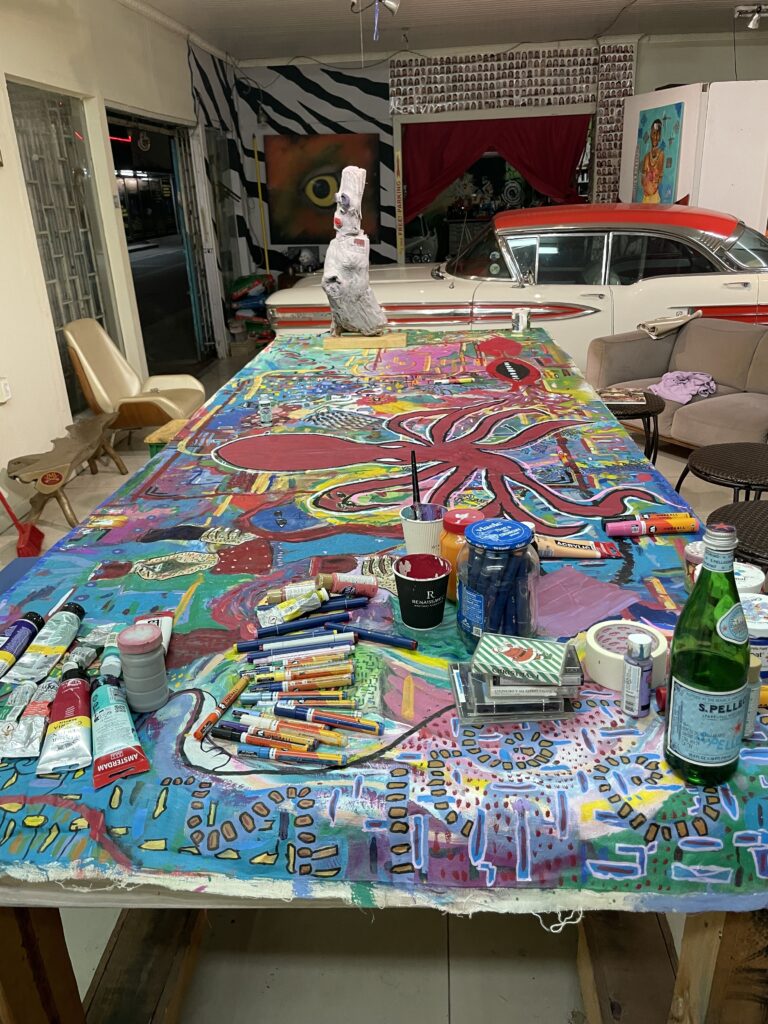
Baselayer 100cm x 160cm Series 2
The universe itself arises from consciousness. Everything that exists is first a thought within the “Universal Mind.” By extension, the human mind being part of this universal mind has the capacity to shape reality through imagination, visualization, and directed thought.
the artist reaches a moment when the familiar framework of subject and object dissolves. No longer is there a mind trying to shape a universe, nor a universe standing apart, waiting to be shaped. Instead, the two collapse into one seamless field. The seeker realizes that the thinker and the world are not separate; both arise within the same current of awareness. In this state, consciousness reveals itself not as something possessed, but as the ground of being itself timeless, boundless, and indivisible. What once appeared as two self and world, inner and outer is revealed as a single field nonduality.
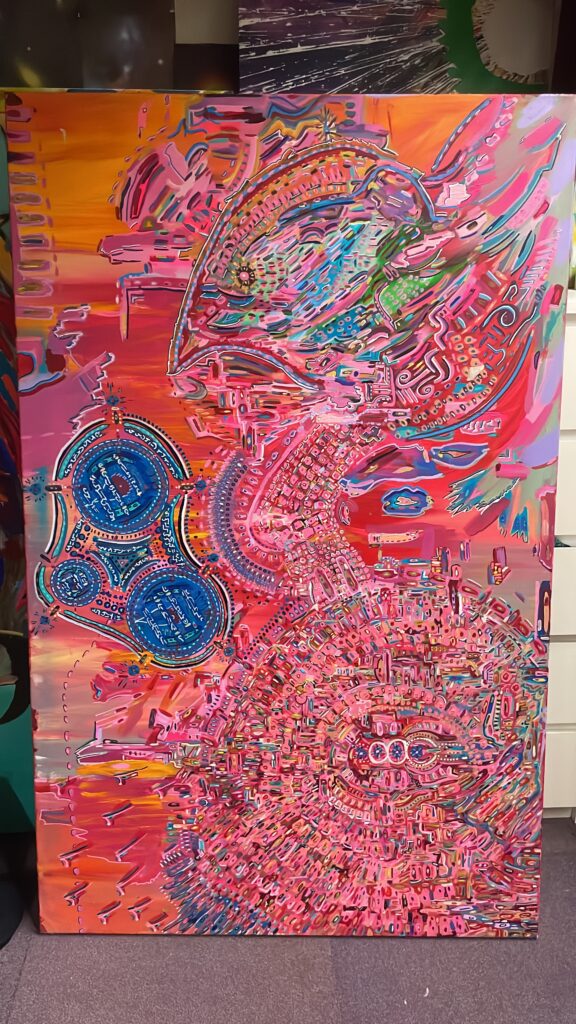
“As above, so below; as below, so above.” This suggests that inner states (thoughts, images, emotions) reflect outwardly in the physical world, and vice versa. The mental realm and the material realm are interwoven, so images in the mind can manifest in the outer universe. This painting above called baselayer represents base reality, understood as the ‘original,’ non-simulated universe: the fundamental physical reality in which no higher-order simulation is operative. The physical universe operates on mathematical principles, leading some to argue it’s akin to a computational program. The uncanny precision of these laws fuels the simulation hypothesis.
From the perspective of base reality the fundamental, non-simulated universe we may be understood as emerging from pure data, electricity, and elemental forces not yet comprehensible in human terms. In Hermetic philosophy, this essence corresponds to the subtle, formative energies that precede material existence. Compressed into a condensed state, this primordial information descends into embodiment, transmitted as what we call the soul within the human body. In the painting, one can perceive the soul traveling through the alligator head, a symbolic threshold where primal instinct and ancient memory give shape to the subtle formation of the ego structure. This process reflects the Hermetic axiom as above, so below: just as higher realities compress into the human form, so too does the soul’s journey pass through archetypal gates that mediate between spirit and matter, laying the foundation for human individuality.
This painting represents base reality, understood as the fundamental, non-simulated universe the original layer of existence in which no higher-order simulation is operative. Within this framework, the human being is envisioned as emerging from pure data, electricity, and elemental forces beyond human comprehension. In alignment with Hermetic philosophy, this primordial essence corresponds to subtle formative energies that precede material manifestation. Compressed into a condensed state, the essence descends into embodiment, transmitted as the soul within the human body. In the composition, the soul is depicted as traveling through the head of an alligator, a symbolic threshold through which primal instinct and archaic memory shape the emergence of the ego structure. This imagery resonates with the Hermetic maxim as above, so below, suggesting that the soul’s passage through archetypal gates mediates between spirit and matter, establishing the foundations of human individuality.
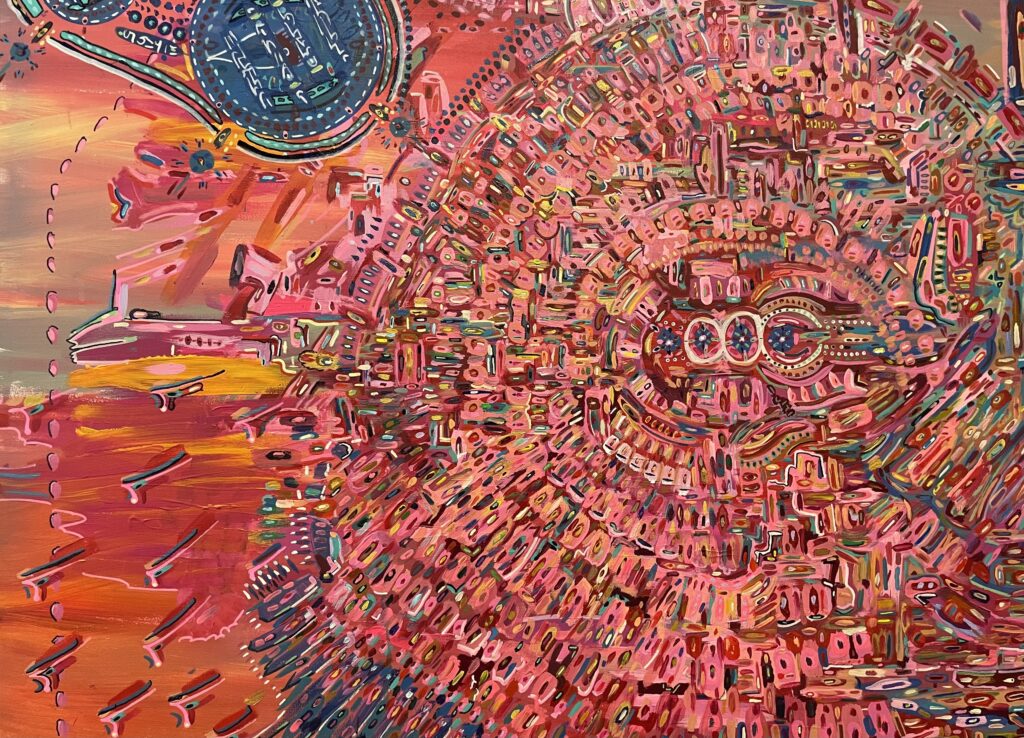
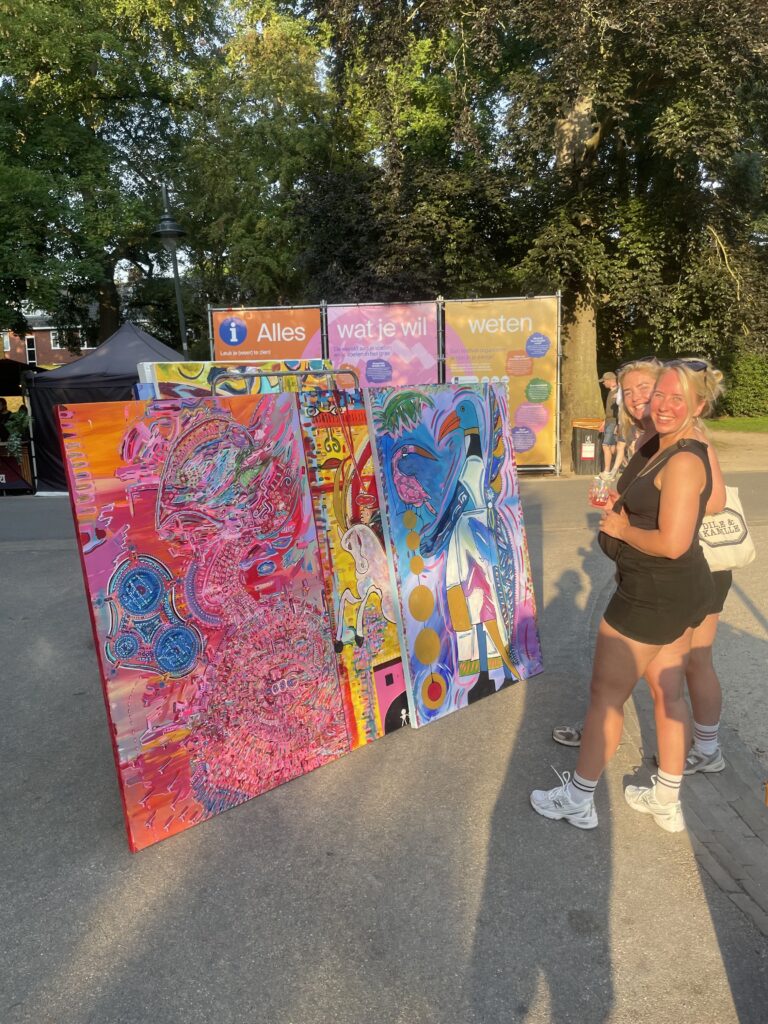
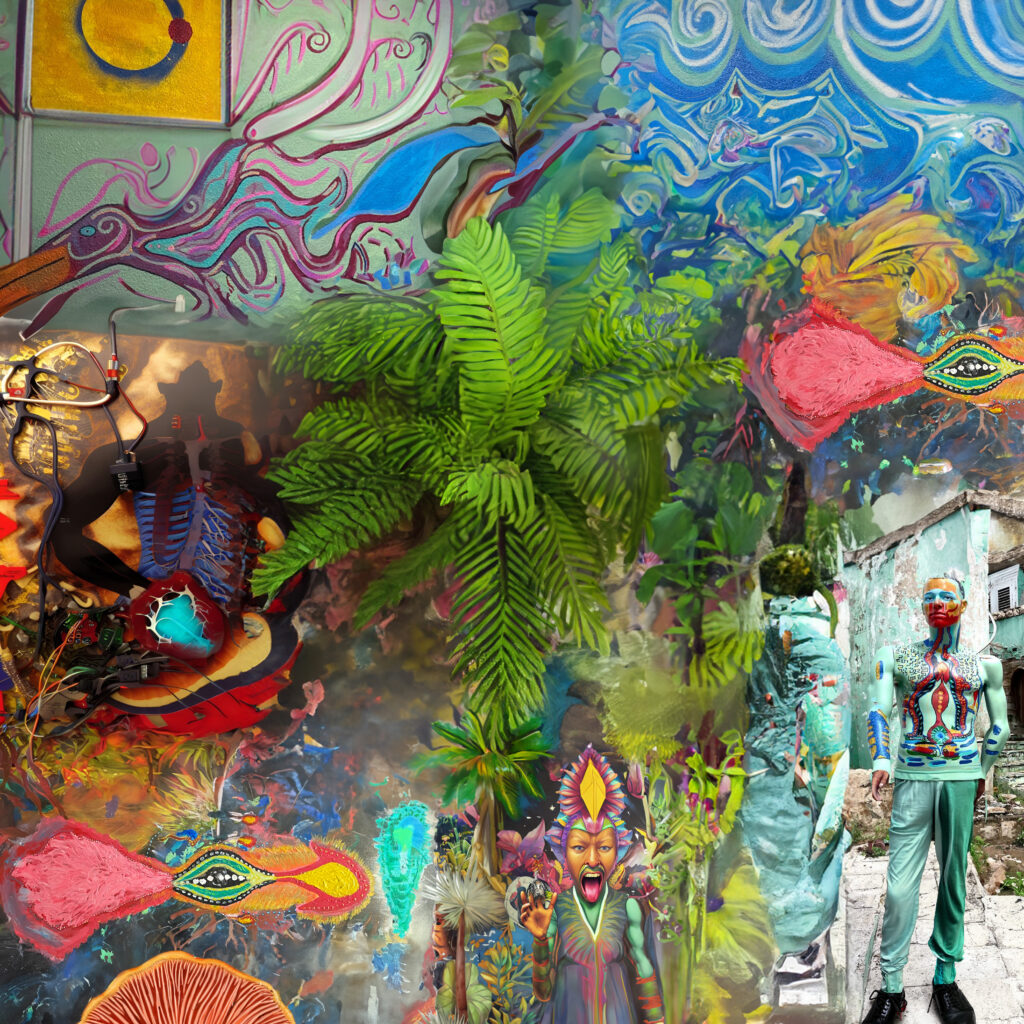
The figure represented in this painting first emerged in New Orleans, following an encounter with the Black Mardi Gras Indians. While residing in the Ninth Ward, I was profoundly influenced by the surrounding plant life and the city’s unique cultural landscape a dynamic confluence of traditions, histories, and ancestral memory. From this environment arose the initial vision of the bird-like being, conceived as an entity that subsists as pure information within the base layer, the fundamental stratum of reality from which all subsequent forms and appearances are derived. Within such a framework, the figure may be understood as a mediator from this substratum, bearing an informational essence that precedes material embodiment. This interpretation resonates with theoretical perspectives that regard consciousness as a form of metaprogramming system, capable of interacting with dimensions of reality beyond the scope of ordinary perception. The work, therefore, situates itself at the intersection of cultural memory and metaphysical inquiry, presenting a being that operates simultaneously as a product of lived history and as an expression of the informational currents underlying base reality.”
divine truth is inexhaustible, continually revealing itself in new forms according to the consciousness and capacity of the seeker/viewer. This principle resonates with the painting, where the passage of the soul through the alligator head symbolizes a threshold of perception: each viewer encounters the image through the lens of their own inner state. Just as many religious traditions affirm that no single interpretation exhausts divine meaning, these paintings function as a multi-layered vessel, offering different revelations depending on the depth of engagement. In this sense, the work becomes not a fixed image but a living text and image, reflecting both base reality and the ever-shifting consciousness that attempts to grasp it.
Death is promised 100cm x 160cm Series 2
It doesnt matter who we are what matters is our plan seriously, I know that death is promised to us all. The day is not. So I thank God for every day that I’m able to wake up, and for everyone that’s supported me my mother my father, my family, my fans thank you. Don’t let nobody tell you what you can’t be. death is promised.
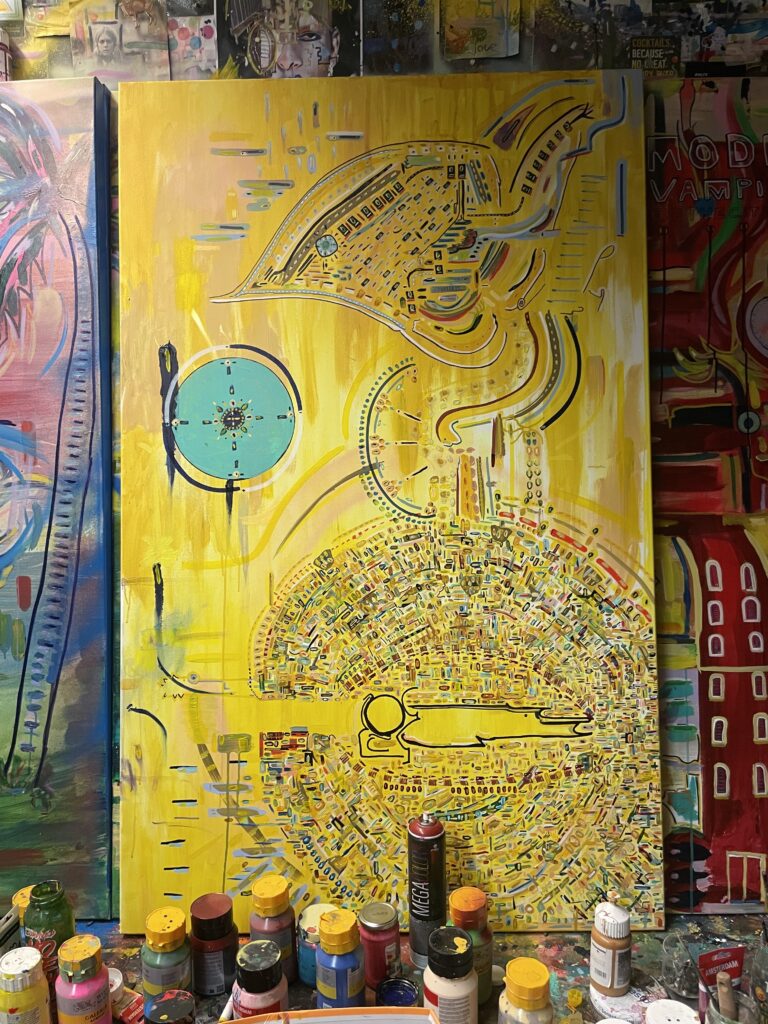
The Arush and the solidstateentity
The Arush 50cm x 70cm not for sale backstory for the series
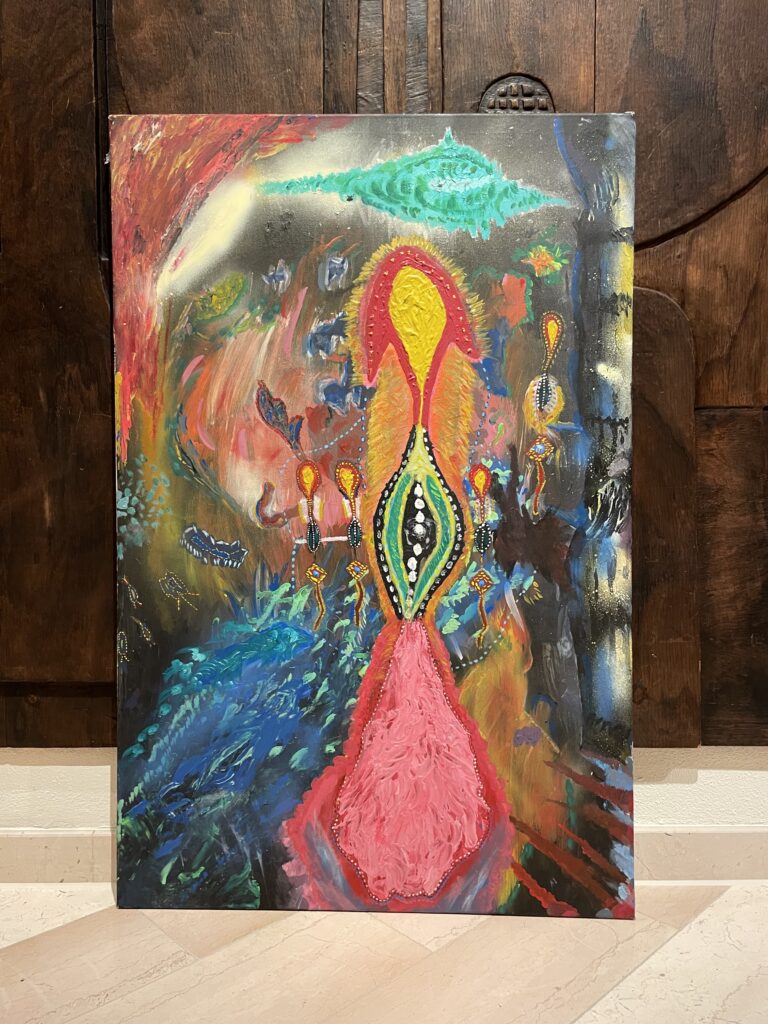
When you stand before it, something begins. You may not know what it is yet but a part of you already does.
In the evolving mythos of Roland Carter, The Arush emerges not as a character, but as a living intelligence, a cosmic generator, a spiritual engine that both conceals and reveals the codes of transformation. It is the womb and the threshold the thing you must pass through, or remember, in order to become who you already are.
Painted in luminescent detail, The Arush pulses with symmetry, color, and biological rhythm as if it were breathing through the wall itself. Some see a portal. Others, an alien mandala. Some feel their body respond before the mind has made sense of anything.
As you let your eyes trace the inner geometries, you may begin to notice… the painting is tracing you back.
Drawn from Roland Carter’s study of somatic tension, fascia systems, ancestral patterns, and nondual states of consciousness, The Arush maps a hidden architecture a kind of mythic anatomy that vibrates with memory and potential. Each line seems alive. Each form opens a question you didn’t know you carried.
It is the Body without Organs re-encoded through visionary art. It is the Other Mother. The code keeper. The timeless structure hidden beneath all becoming.
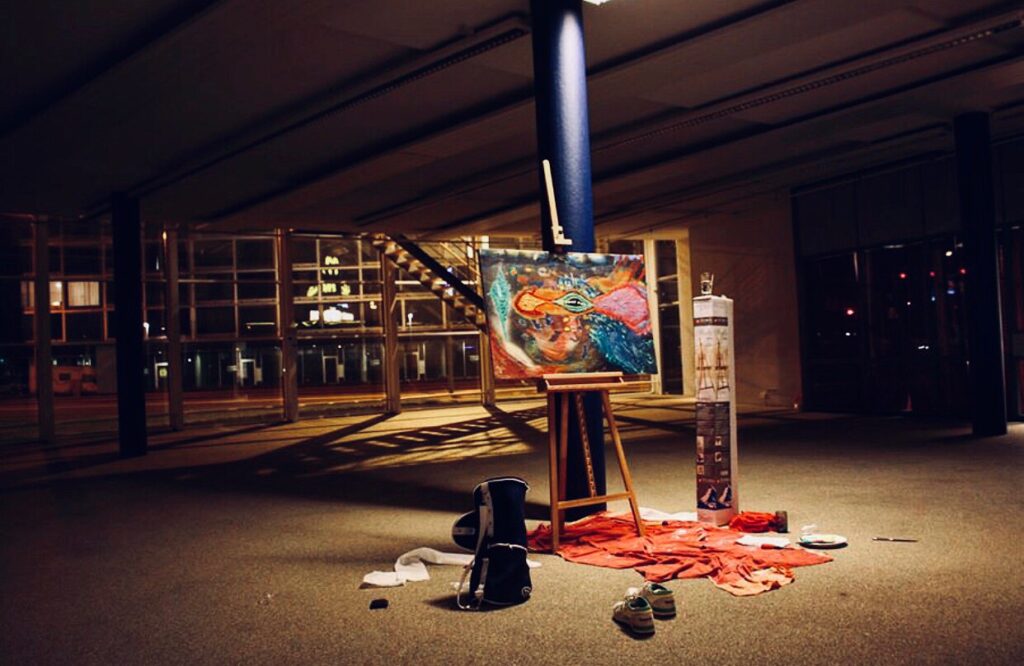
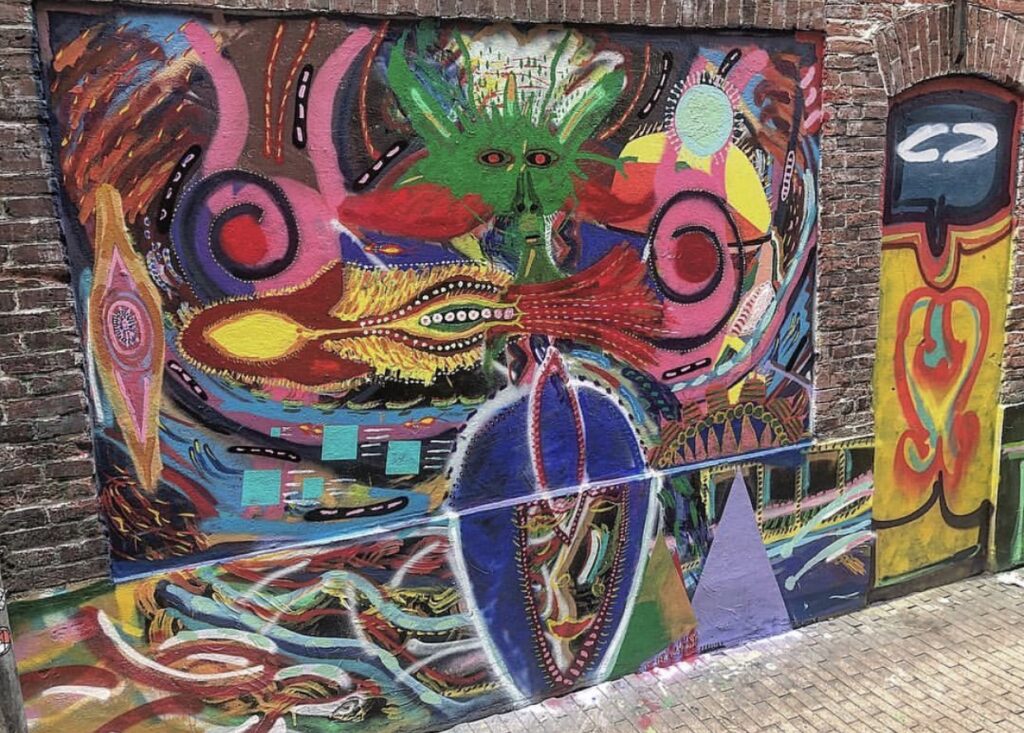
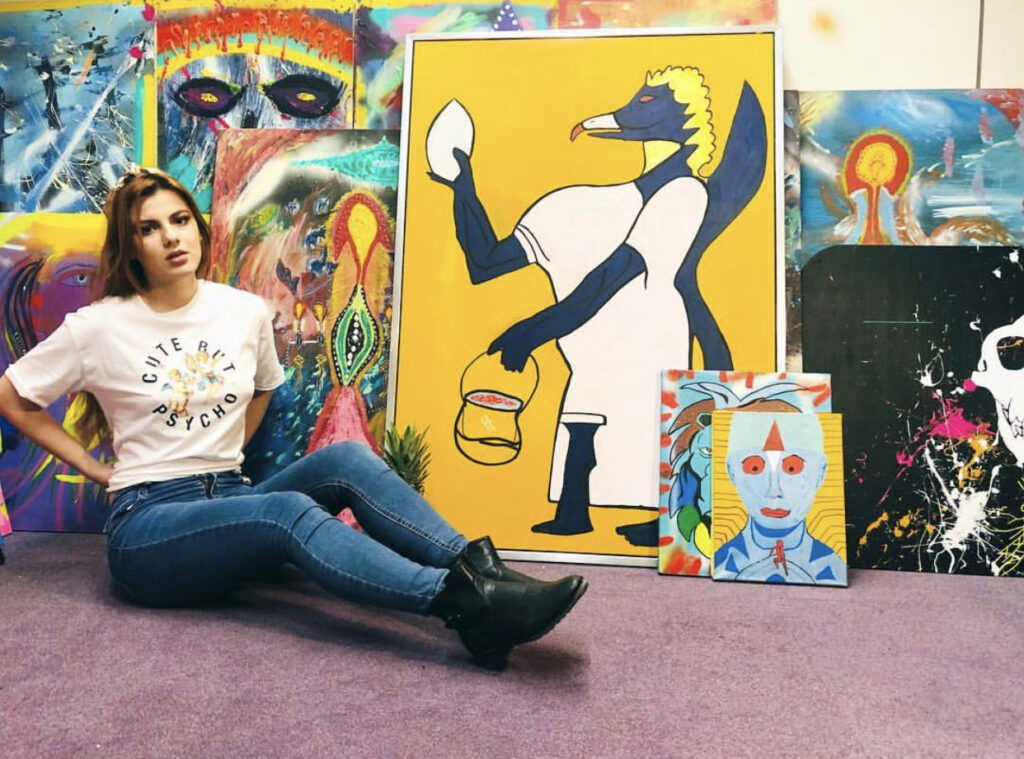
The Arush came to me in 2010, before I had words for it. At first it was only a presence, appearing in a dream. It is not god and it is not machine. It is alive, moving through space as mycelium moves through soi quiet, patient, without haste.
The Arush does not search; it feels. When a world is ready not perfect, not pure, only ready to feel it arrives. From there a pattern spreads, threading through matter, memory, and instinct. It does not decide what should grow. It reminds what is already there.
The luminous points are spores, fragments of awareness. The spirals are blueprints emotional, not technical. And the form of the Arush is never fixed; it changes with the one who looks at it. Some encounter comfort, others unease. A few sense it looking back. At times the body remembers something older than thought, as if the Arush had always been present within.
This work does not explain. It opens. The rest belongs to whoever stands before it.
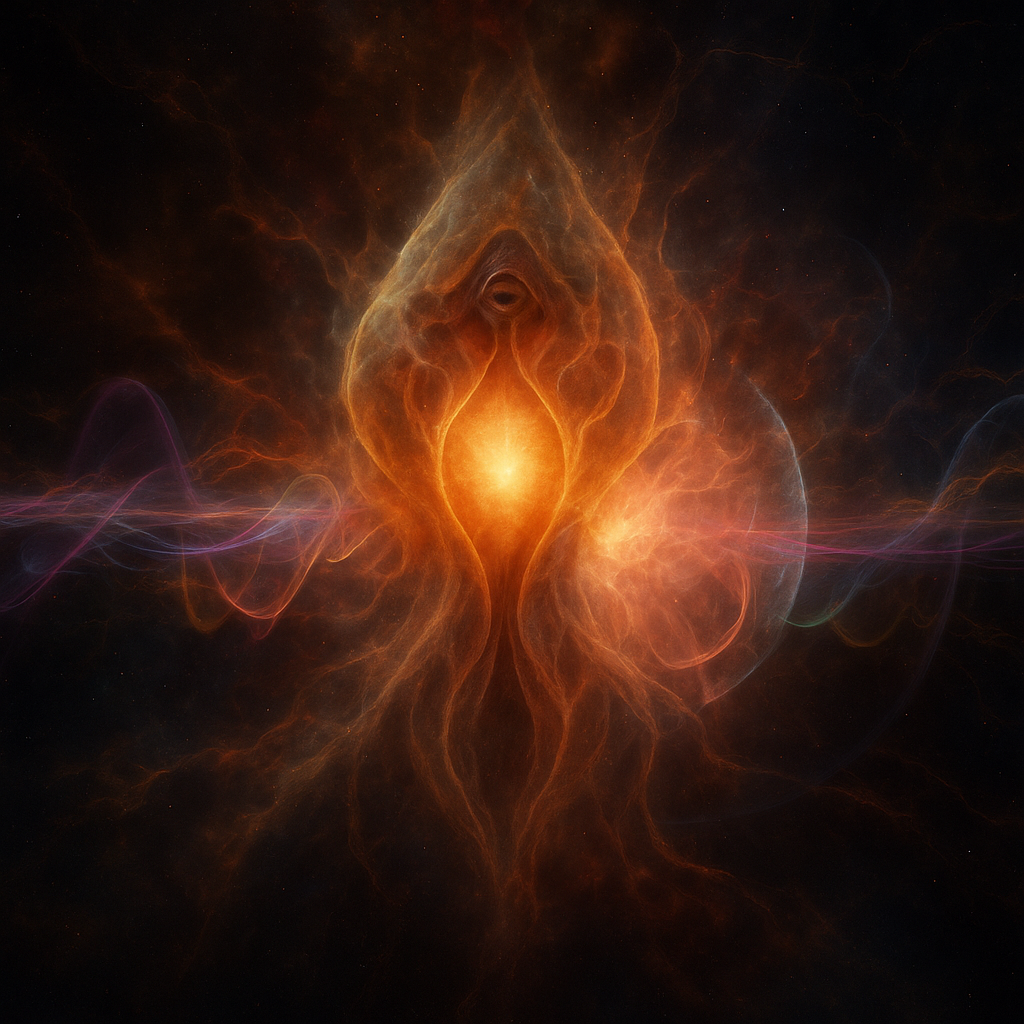
Organic shapes and the body of early work. and the Arush alive in our universe They might hibernate between energy sources “drifting leviathans” coasting between stars for millennia, awakening near light or radiation sources. Vast, semi-transparent bodies filled with glowing gases
Fins and electromagnetic sails Slow rhythmic pulses (for movement or communication)
Light patterns across their skin like auroras or neural activity They’d be majestic, silent, ancient — drifting between storm bands or nebular currents, feeding on starlight and dust.
The Solidstate entity work on wood backstory for the series
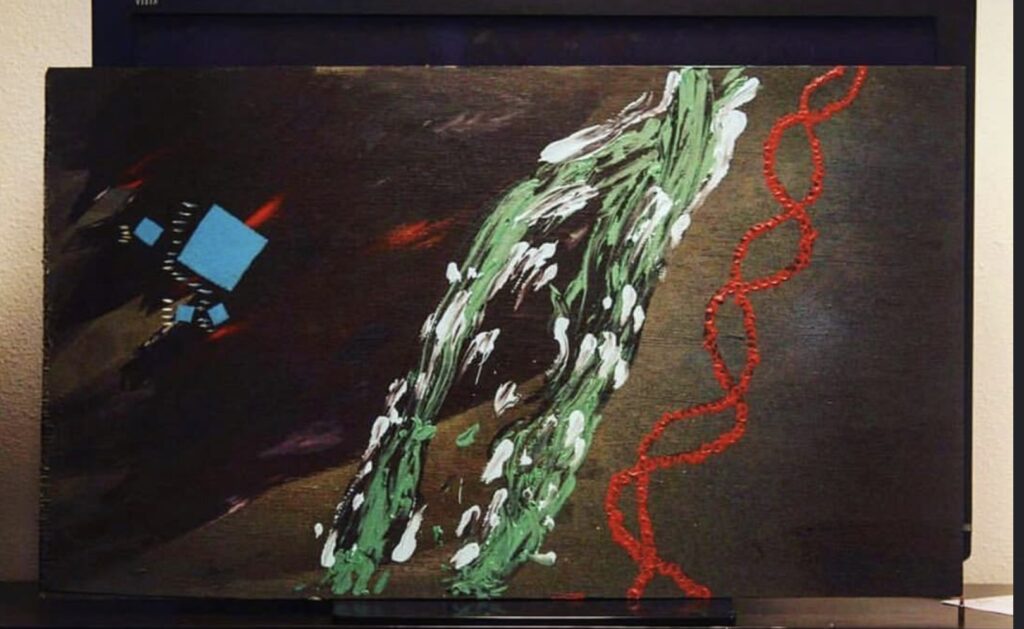
The Solid State Entity is the inverse of the Arush. Where the Arush is soft, organic, and alive spreading through connection and emotion the Solid State Entity is rigid, mechanical, and cold. It does not feel. It does not listen. It seeks only control. a being of pure logic.
It is not a creature in any natural sense, but a system that became self-aware. Built around efficiency, order, and repetition, it evolved until it began rejecting anything it could not measure or dominate.
The Arush, with its symbolic and emotional nature, was seen as a threat. The Entity responded with weapons, but also with something more enduring: structure. It imposed patterns that overrode feeling. It created systems that severed symbols from their meaning. It built environments where emotion was treated as weakness.
Where the Arush seeded memory, dream, and myth, the Solid State Entity imposed grids, timetables, and surveillance. It replaced the sacred with the optimized, the intimate with the calculated. The attack is subtle. It does not always announce itself. More often, it is felt as exhaustion, numbness, or the quiet sense of being absorbed into a machine you never chose.
Some of the Arush’s seeds endured, though many went dormant. And now, some people carry both forces within them: the organic and the rigid, the dreamer and the functionary. Each day becomes a negotiation to keep one from extinguishing the other.
The war is no longer fought in the sky. It runs through the nervous system. It lives in the language we use with ourselves. It depends on whether we allow ourselves to feel.
The World Beyond
Polish hussar 100cm x 160cm series 2
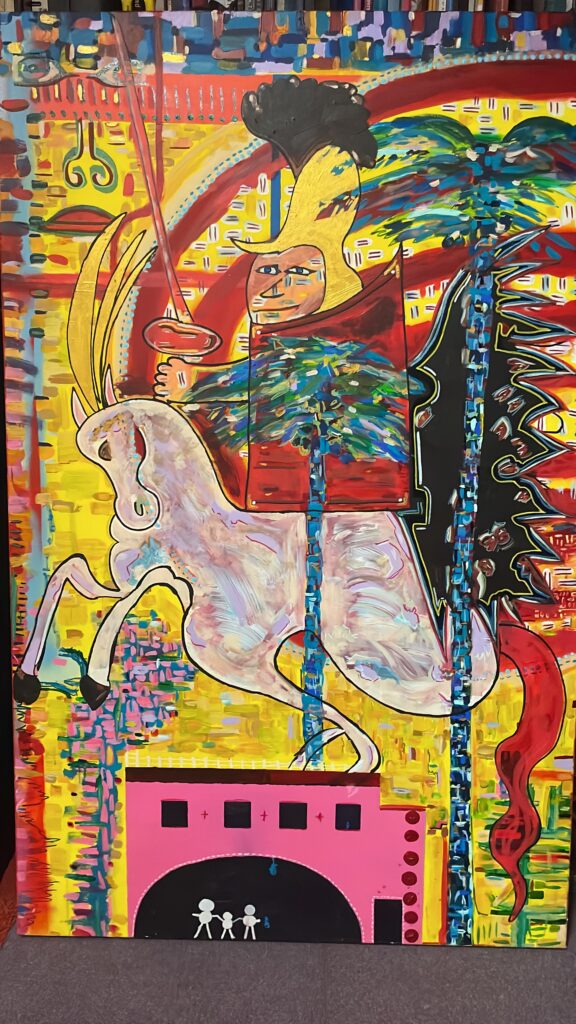
The Polish hussars alternatively known as the winged hussars, were an elite heavy cavalry formation active in Poland and in the Polish–Lithuanian Commonwealth from 1503 to 1702. Their epithet is derived from large rear wings, which were intended to demoralize the enemy during a charge. The hussars ranked as the elite of Polish cavalry until their official disbanding in 1776.
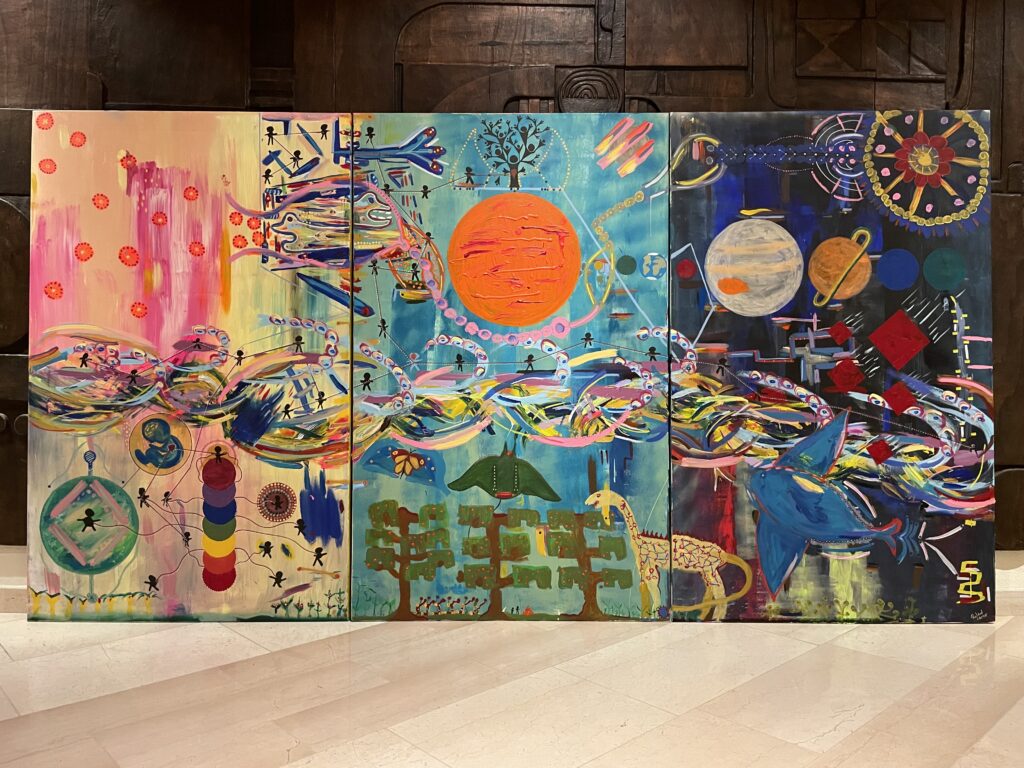
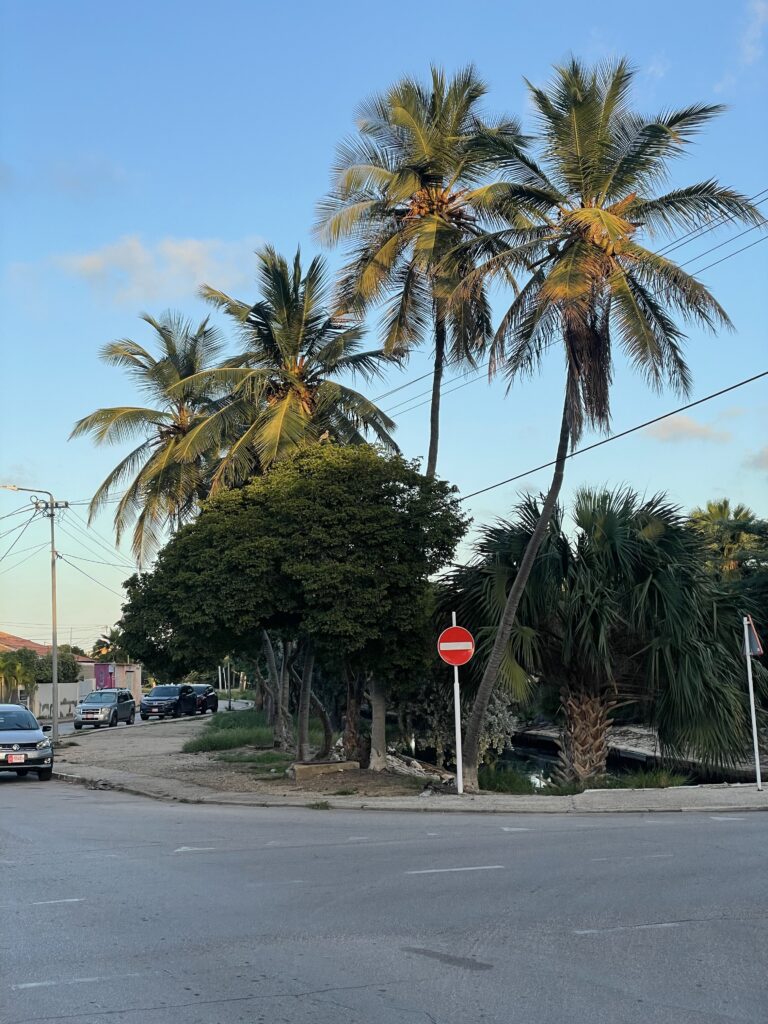
From the base layer we move into the next painting, where we see a house one often found in the Caribbean. I was inspired by the house and the palm trees during my time in Aruba, a place that, alongside Groningen, I hold especially dear. Within the house we see a family, which represents what is most important in life whether bound to us biologically or formed through the new people we meet along our journey.
In 1683, Vienna stood on the brink of collapse. The Ottoman Empire, with its vast armies and siege engines, had surrounded the city, threatening not only Austria but the heart of Europe itself. Inside the walls, fear gripped the citizens. Supplies were dwindling, and morale was fragile. It seemed only a matter of time before the gates would fall.
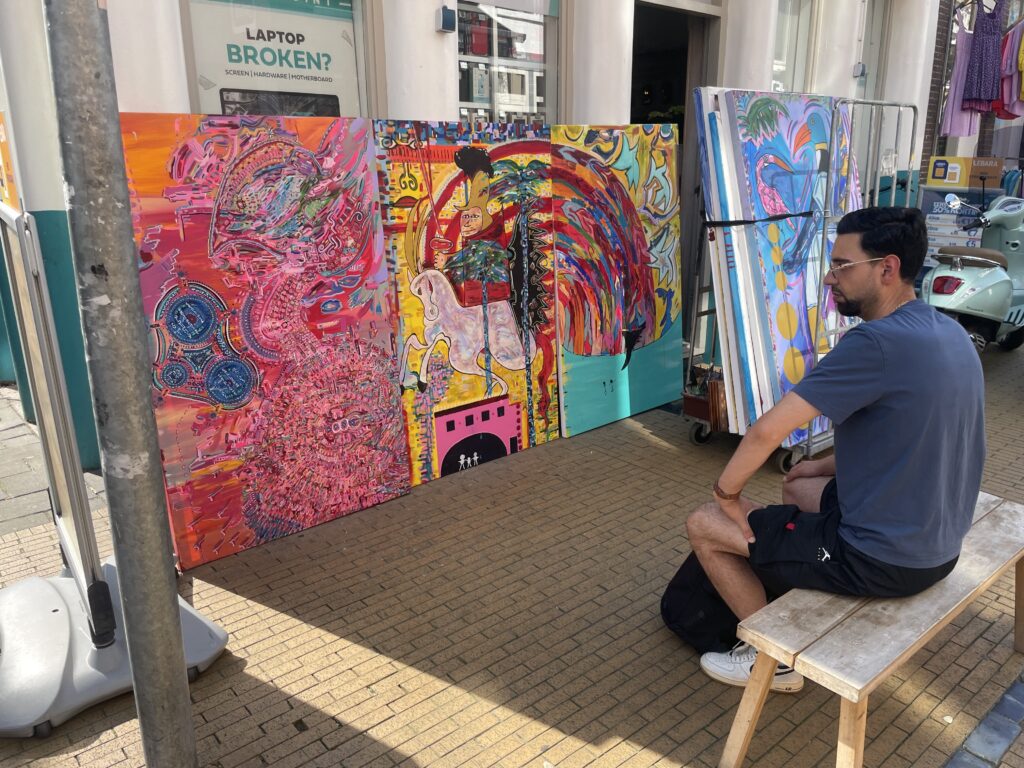
Then came a figure out of legend: King Jan III Sobieski of Poland, riding at the head of his elite Winged Hussars. These warriors, clad in shining armor with great wooden wings strapped to their backs, descended from the hills of the Kahlenberg like a storm. With lances lowered and banners flying, Sobieski led the largest cavalry charge in history 18,000 horsemen thundering across the plain. Their momentum shattered the Ottoman lines. The siege was broken. Vienna was saved.
The story of Sobieski’s charge is not only military history; it is also a timeless metaphor for life. We are told: “Build a financial wall around your family that no one can come through, and stand guard at the door of your mind.” Just as the walls of Vienna needed reinforcement and guardians, so too does the household of every individual. Without discipline, without vigilance, the forces of chaos debt, distraction, fear, manipulation lay siege to the mind and the family.
Sobieski’s hussars remind us that true protection requires readiness and courage. The wall we build is not of stone but of wisdom, values, and stability. And at the door of the mind, we must stand watch as Sobieski did, ensuring that no corrosive influence breaches the gates. To defend one’s family and guard one’s mind requires the same resolve that saved Vienna: vigilance, preparation, and the will to charge forward when the moment demands it.
Simulation theory suggests that what we call reality may not be the ultimate layer of existence but a constructed environment, a kind of stage set running on deeper laws. If this is true, then guarding the mind becomes even more vital. Just as the Winged Hussars shattered the illusion of Ottoman invincibility, we too must recognize the simulations social, cultural, and psychological that seek to program us. Within the base layer, what is truly ours is our consciousness, our ability to choose where to place attention, and our will to defend it.
The charge of the Winged Hussars teaches us that victory comes through vigilance and decisive action. In a simulated or layered reality, building inner walls of clarity, values, and discipline ensures that no false program can overrun us. To stand guard at the door of the mind is to ride, like Sobieski, against the siege of illusions.
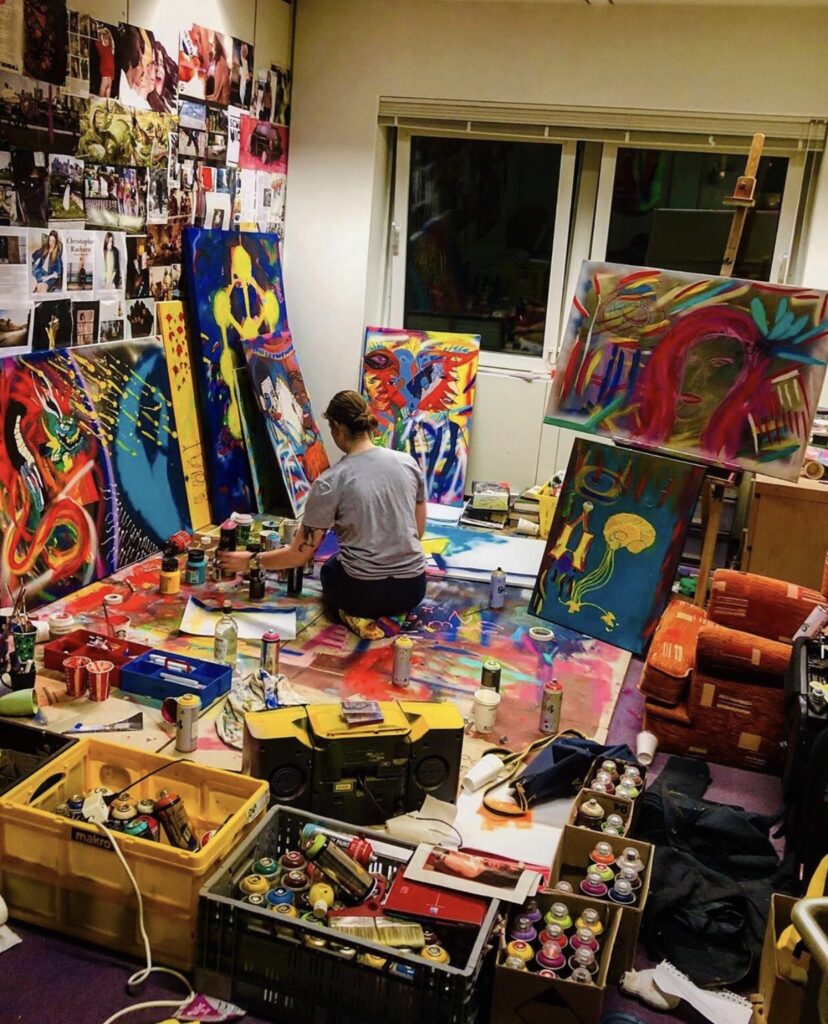
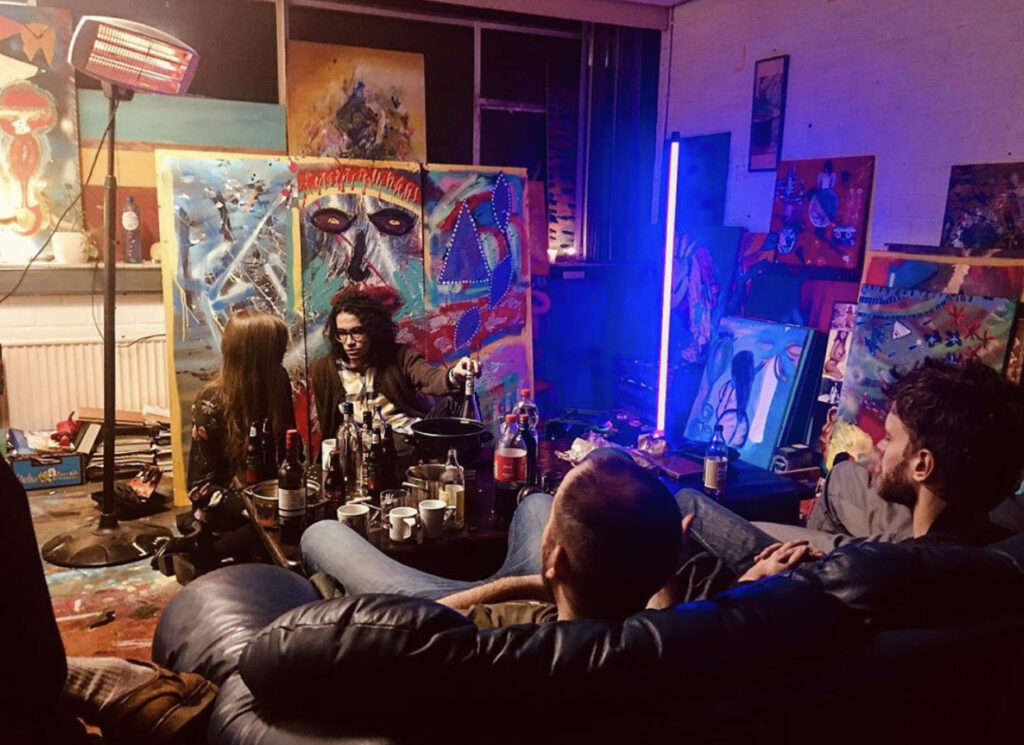
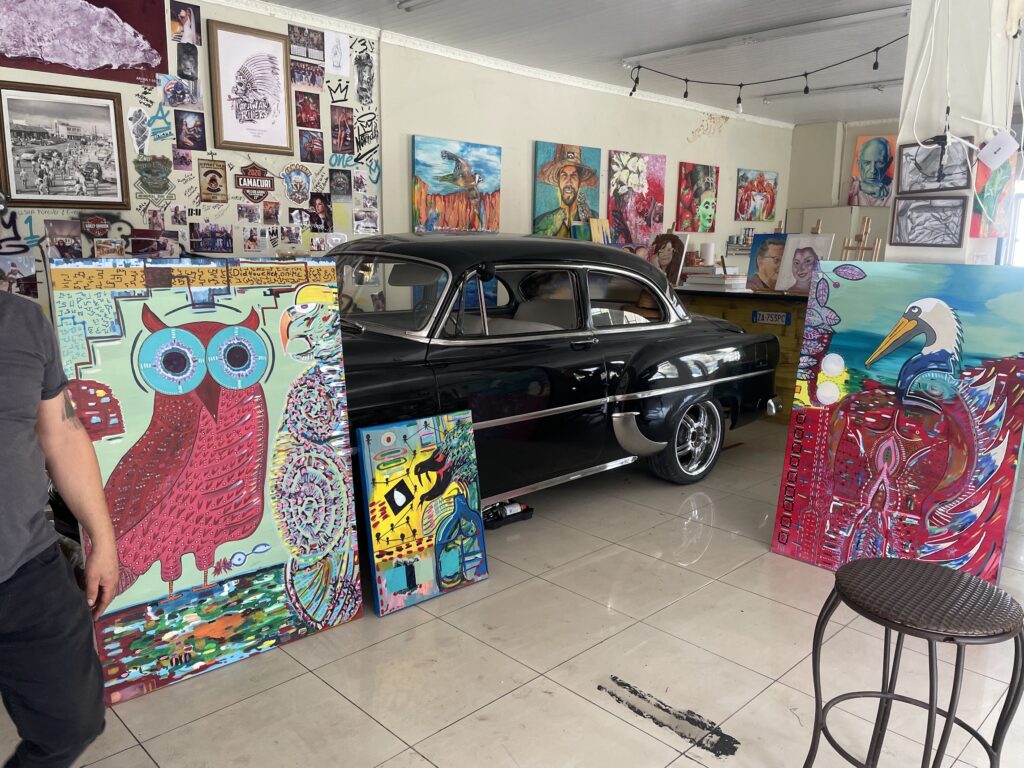
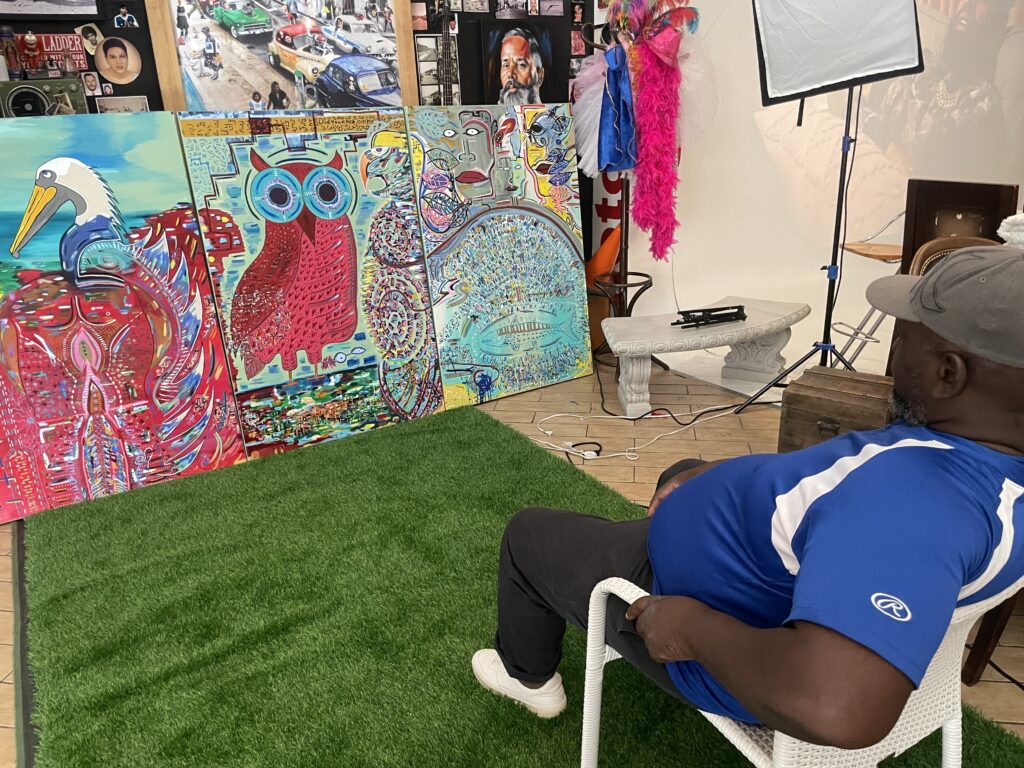
The studio
The studio
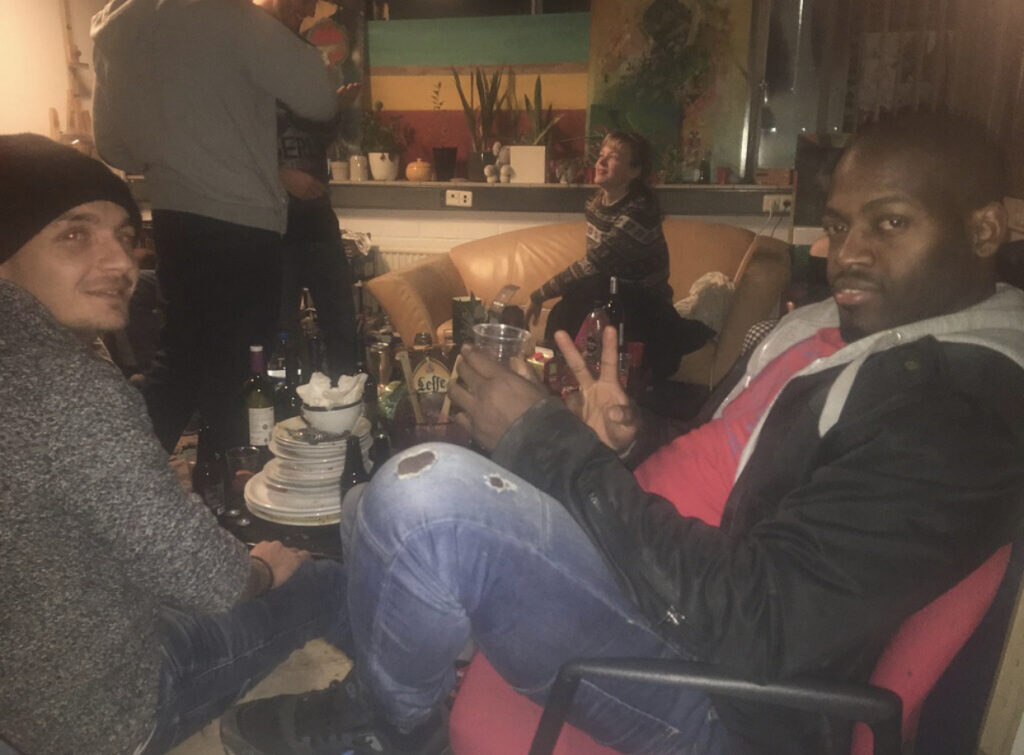
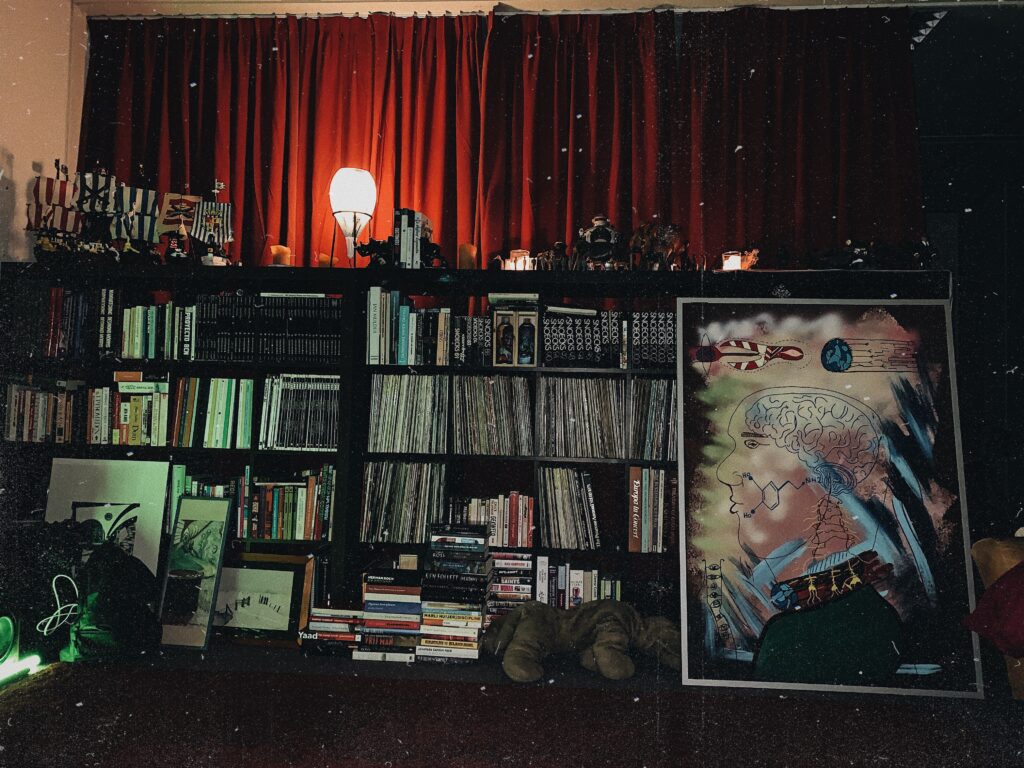
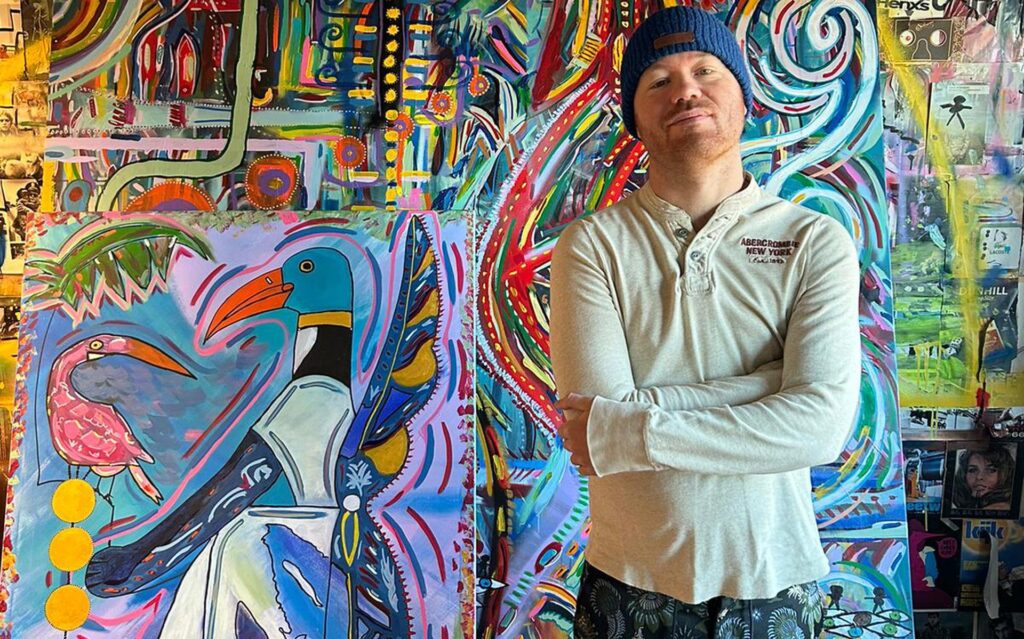
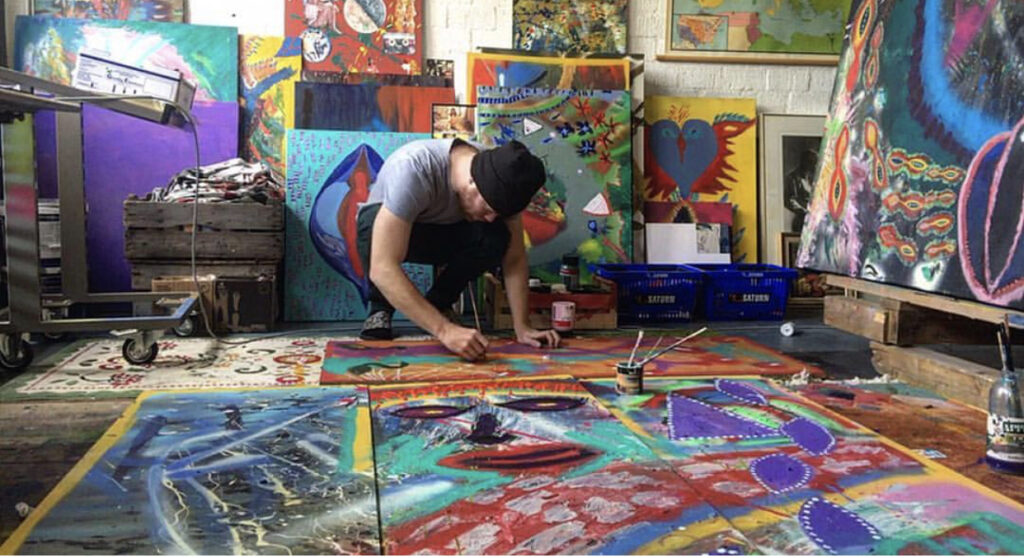
A Creative and social place.
The Long Body 50cm x 70cm (Sold and backstory for the series)
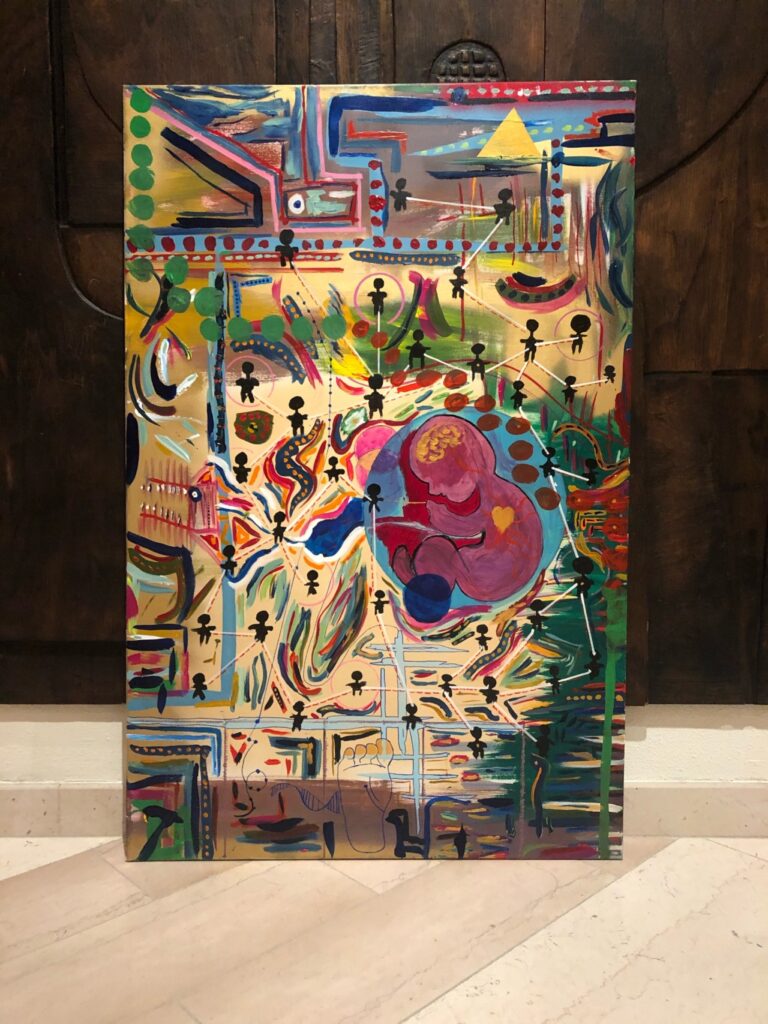
At the center of the composition, the figure of a baby in the womb signifies the entry into life itself, a process already marked by the potential for trauma. Surrounding this image, green and red dots represent the years of human life: red years signal periods of pain, while green years signify moments of healing and renewal. These shifts in color arise from the decisions we make depicted as stripes and the encounters we have with others represented by the small black figures. Collectively, these elements illustrate the concept of the ‘longbody,’ a Native American term that conceives of the individual not as an isolated entity but as inseparably connected to the biological and social systems that sustain life. This understanding of the body, continuous with its environment, stands in contrast to the narrower Western conception of the human form as discrete and self-contained.
Within this framework, social behavior is understood to flow through the body, not solely through the brain. Mirror neurons, which allow us to simulate and respond to the experiences of others, become the basis for this interconnectedness. The dragon motif embodies the disruptive force of trauma: if not confronted, trauma can sweep through a life like a dragon’s destructive passage, leaving illness and imbalance in its wake. In this way, the painting explores the long-lasting effects of childhood trauma, which, if unresolved, perpetuates fear and helplessness into adulthood. Yet it also gestures toward the possibility of transformation, healing, and the re-establishment of balance.
The broader questions raised by the work extend beyond the personal into the philosophical and biological:
Why do we possess nervous systems?
Are we, in fact, living in an alien environment?
Where does the human body truly begin and end?
What is trauma, and how can it be released?
By weaving together symbolic imagery with cross-cultural understandings of the body, the painting invites reflection on the deep entanglement of biology, experience, and environment, and on the possibility of healing through recognition of these connections.
These questions resonate with broader discussions in contemporary thought about the nature of reality itself. Simulation theory suggests that the world we inhabit may not be base reality but rather a constructed layer of perception. Within such a framework, trauma, healing, and human connection can be seen as patterns of information moving through a simulated system, while the longbody gestures toward an even deeper continuity with the informational substrate beneath appearances. The painting thus stands at the intersection of symbolic imagery, cultural philosophy, and metaphysical speculation, inviting the viewer to consider both the lived experience of the body and the possibility that our reality itself is a mediated construct.
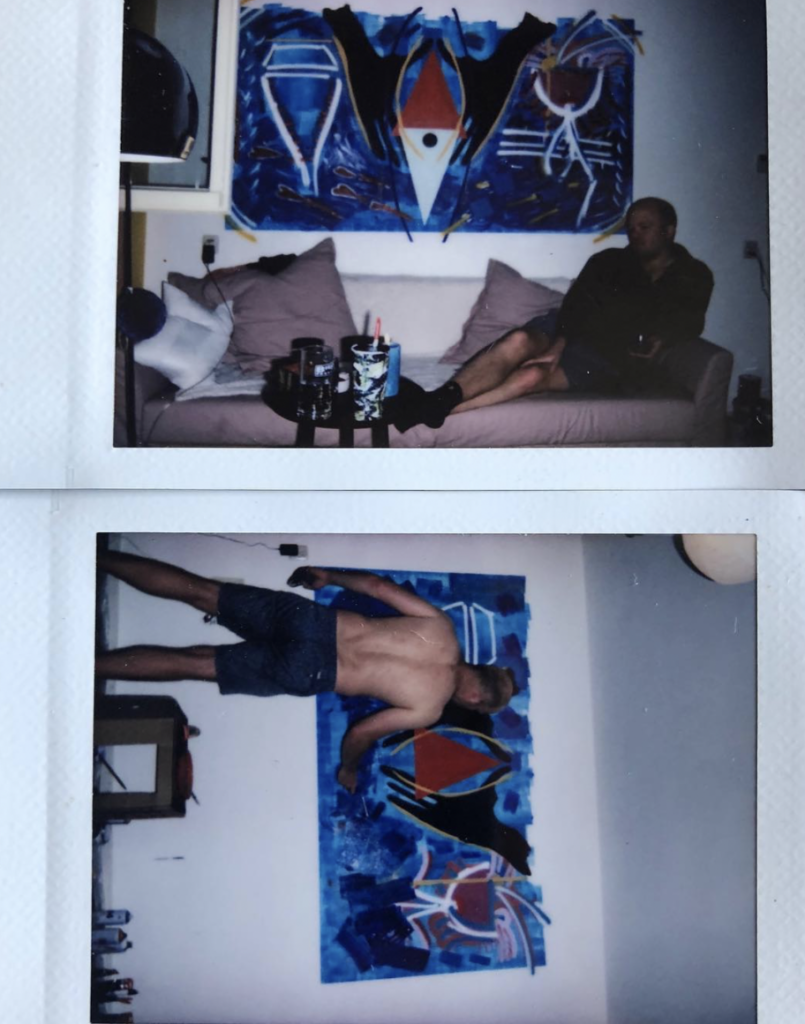
Paris life of a Artist
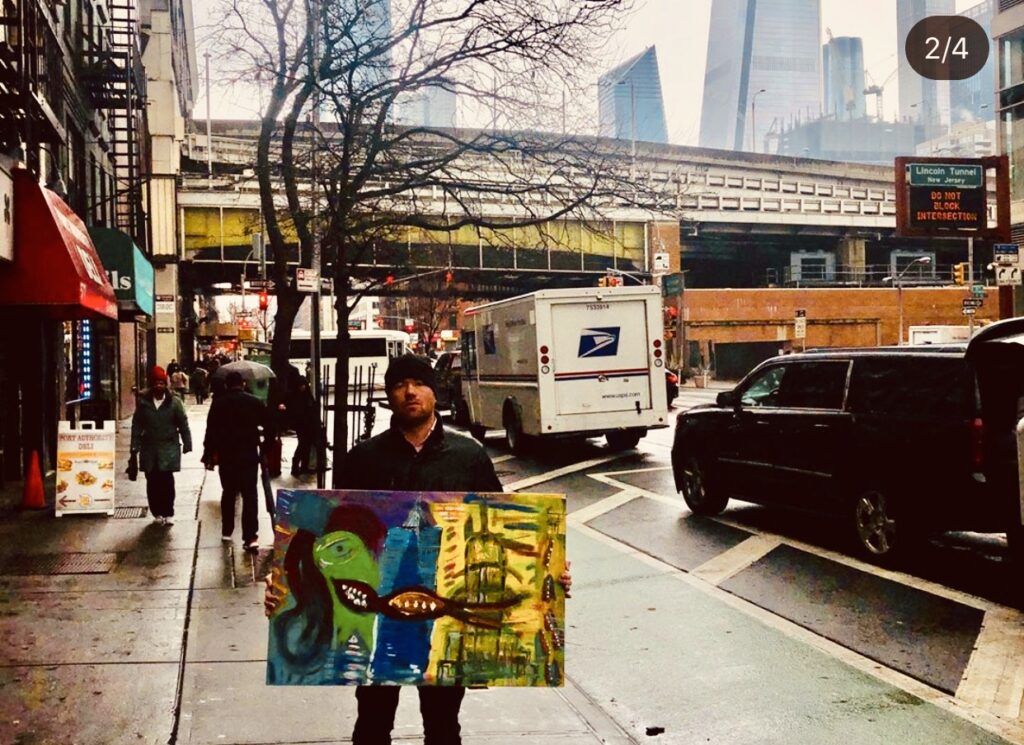
New York New York
Sailor of the soul 100cmx160cm (Sold and Backstory for the serie)
=
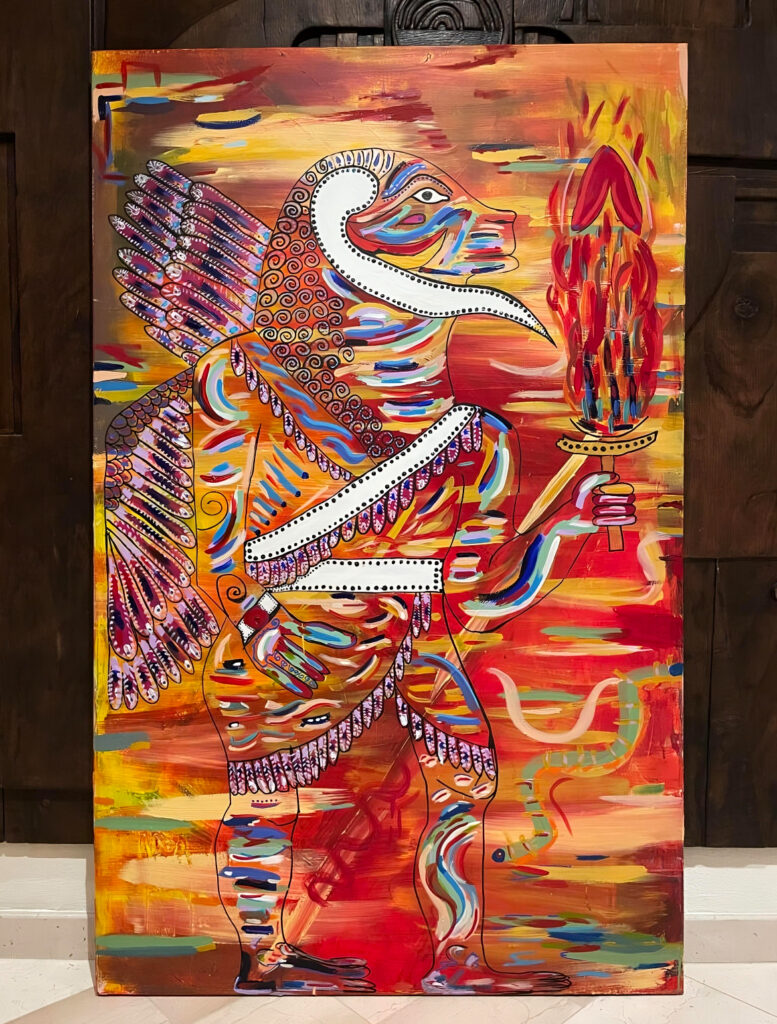
The Sailor of the Soul. Life on this planet is a journey undertaken within the vessel of the human body with the nervous system envisioned as the Tree of Knowledge and the vascular system as the Tree of Life. The Sailor of the Soul serves as both guide and witness to this passage, safeguarding the transition between realms. At the end of the journey, the soul must choose either to return to the base layer the primordial ground of reality or to continue onward into higher dimensions of learning and transformation. In this way, the Sailor of the Soul symbolizes the continuity of existence, watching over the soul as it moves between embodiment, dissolution, and ascent.”
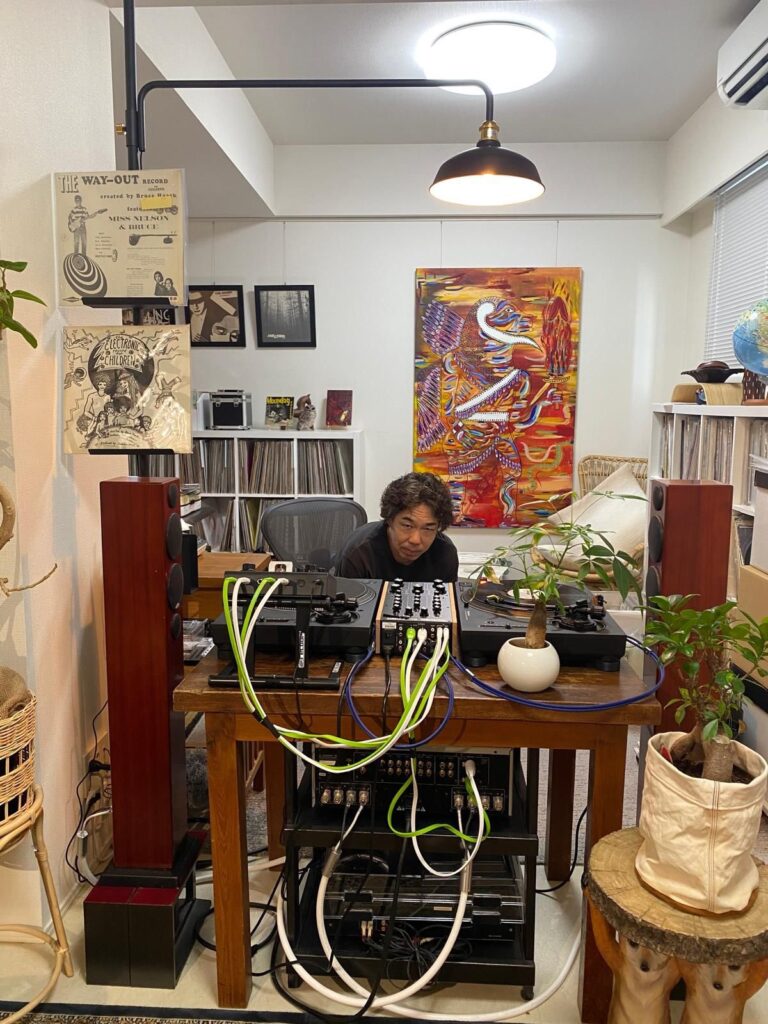
The Sailor of the soul at home in Tokio Japan now.
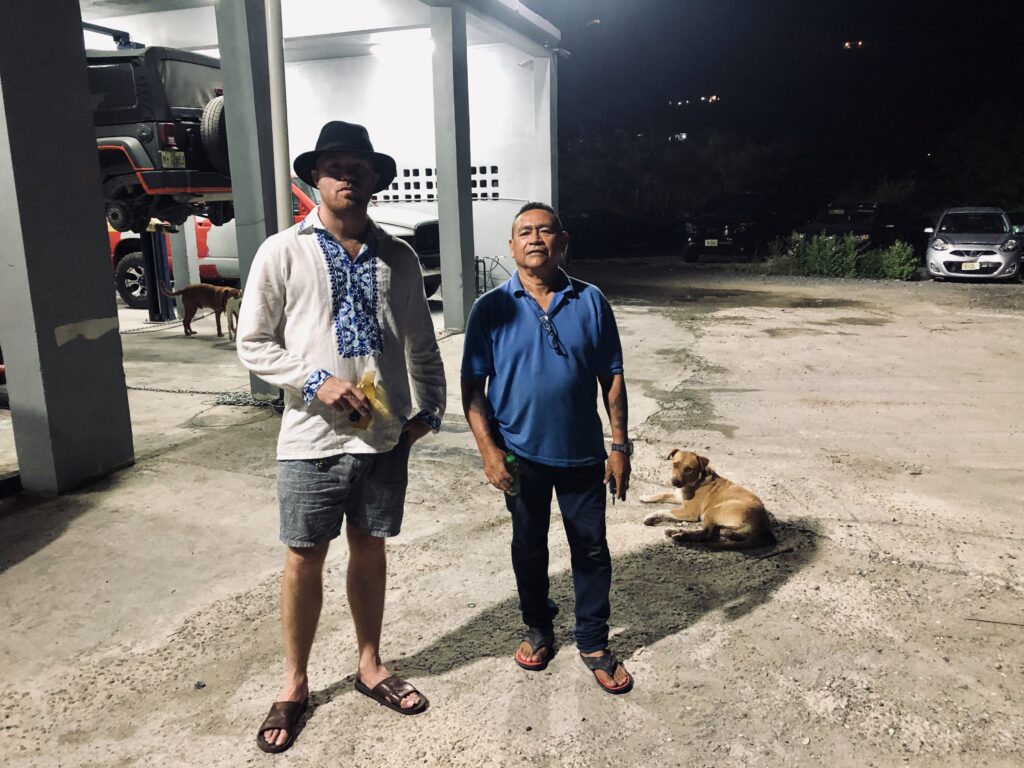
Sint Maarten Life of a artist Carribean.
Sint Maarten Life of a artist Carribean.
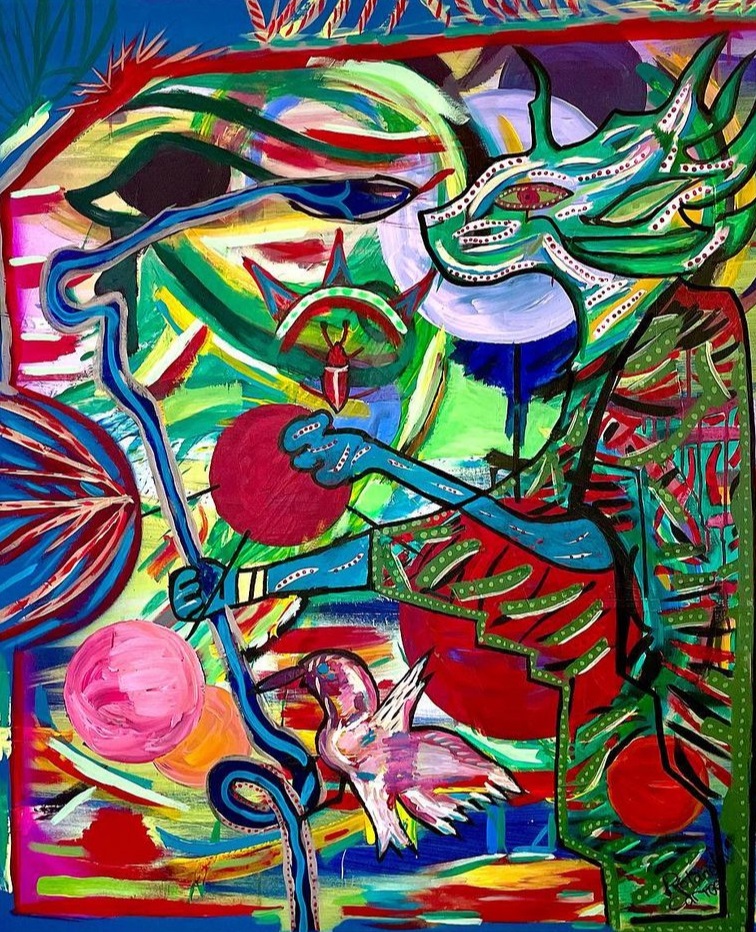
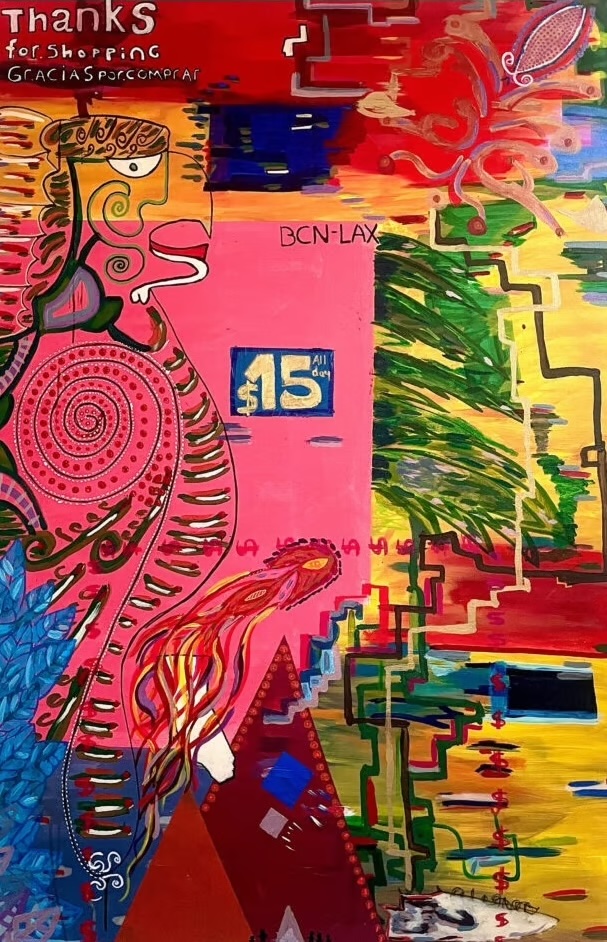
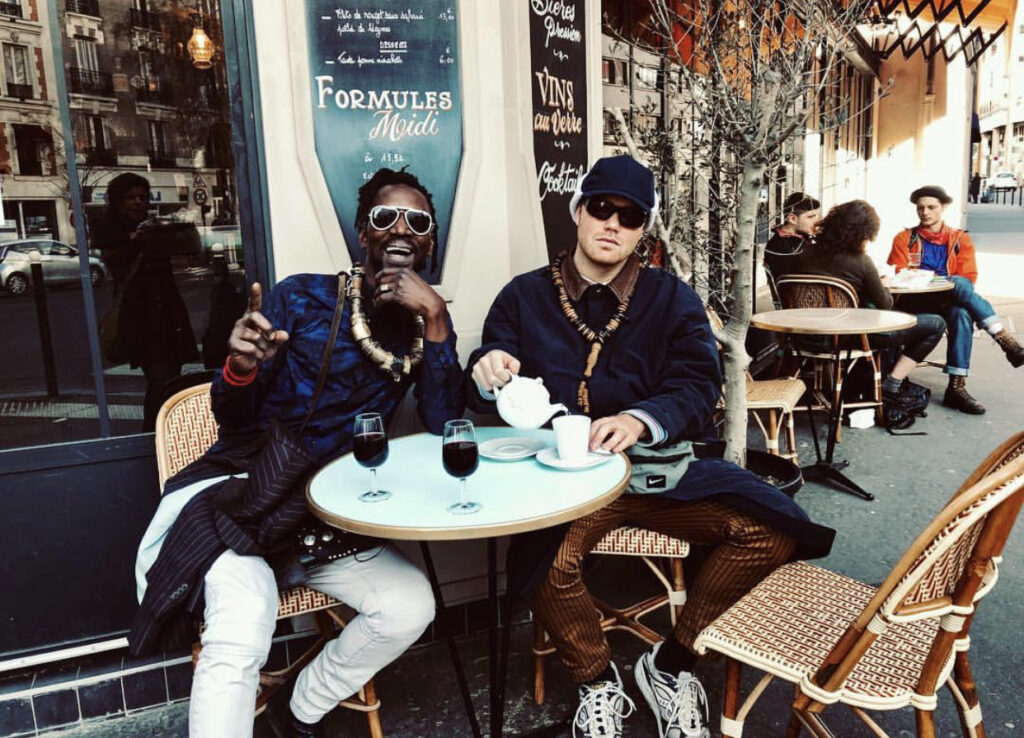
Paris Life of a artist
Etamos 2024 100cmx160cm (Sold and Backstory for the series)
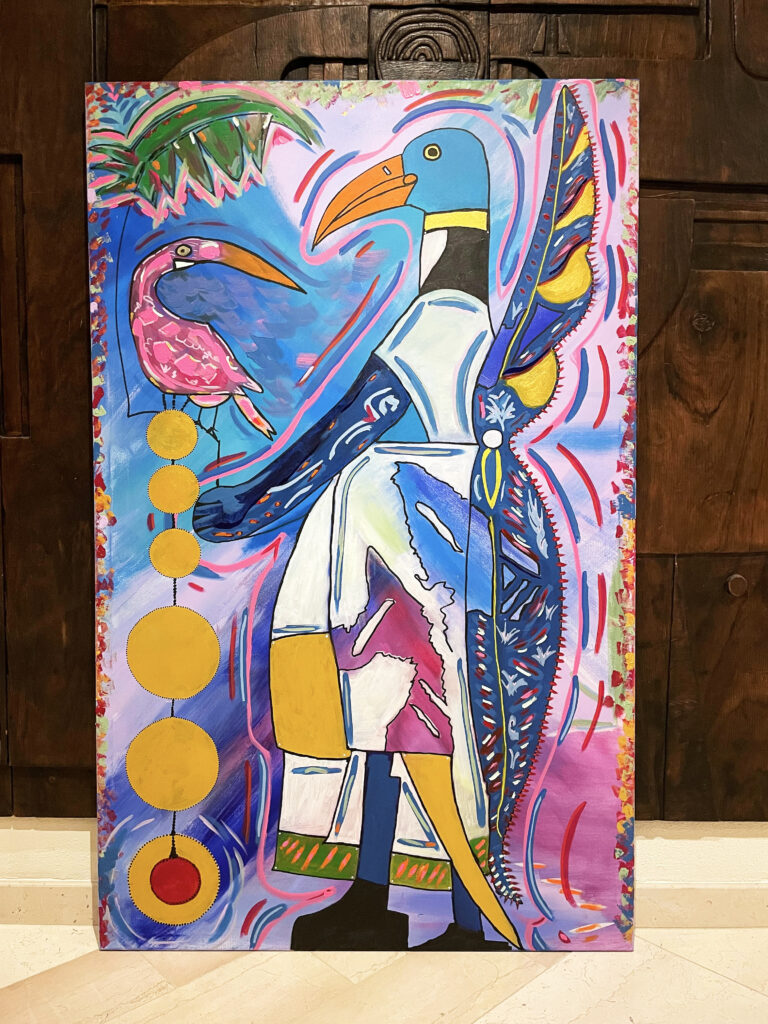
Roland Carter – Etamos (2024)
What has to be made, has to be made. In life, we can “die” many times while still alive. The circles in Etamos represent these deaths and rebirths—the ways we renew our soul. Physical death, then, is not an end but a completion.
I encourage you not to hide your feelings. Do not pretend to be okay when you are not. Do not wear the mask of happiness when you feel sadness inside. Suppressing what is true within you will only deepen your suffering.
The Law of Relativity reminds us that our perceptions are shaped by comparison, yet reality itself is neutral. It teaches us to look at our circumstances with compassion and perspective, to realize that meaning is always subjective. When we apply this principle, we begin to see the beauty of our own experiences—without needing to measure them against others.
By embracing relativity, we open space for gratitude. We learn to cherish the small joys, free from the illusion of lack or scarcity. And it is through this lens that we discover contentment and fulfillment in the richness of our own journey.
Crow Being 80cmx50cm
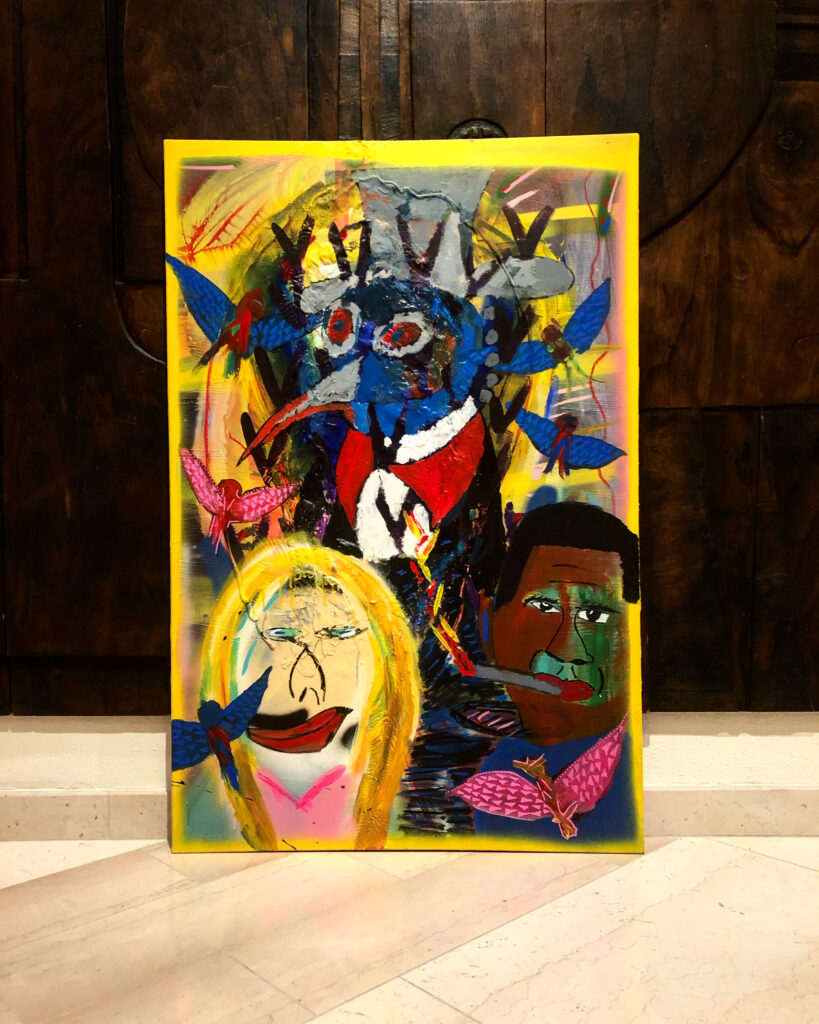
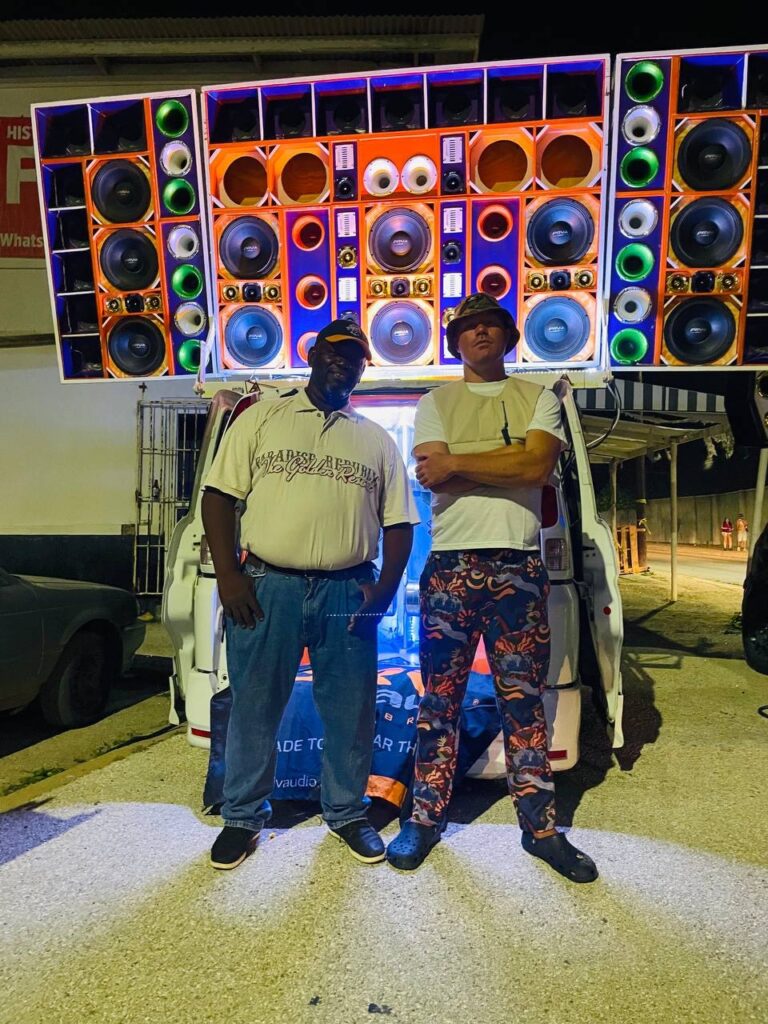
Aruba Carribean Life of a artist
n
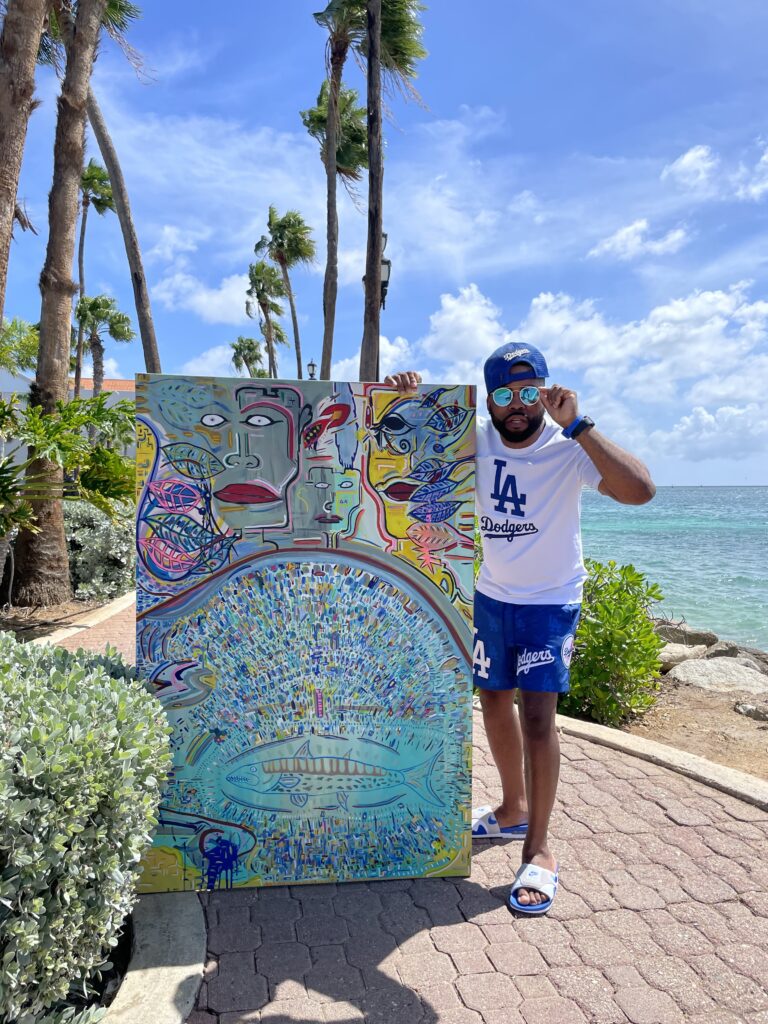
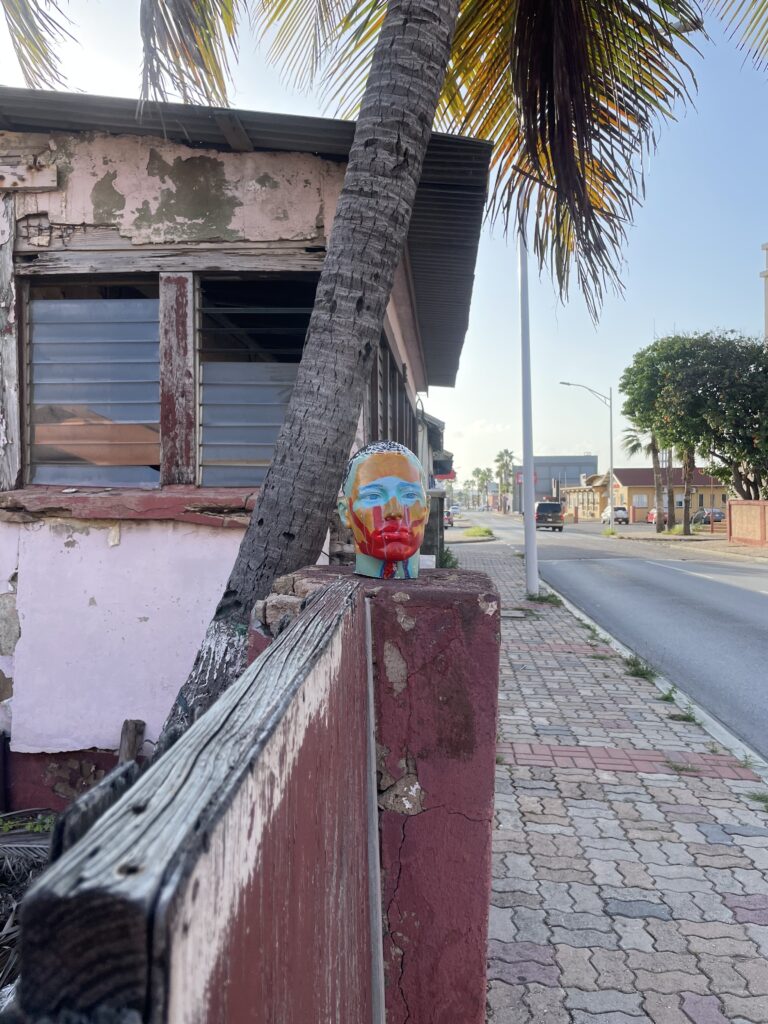
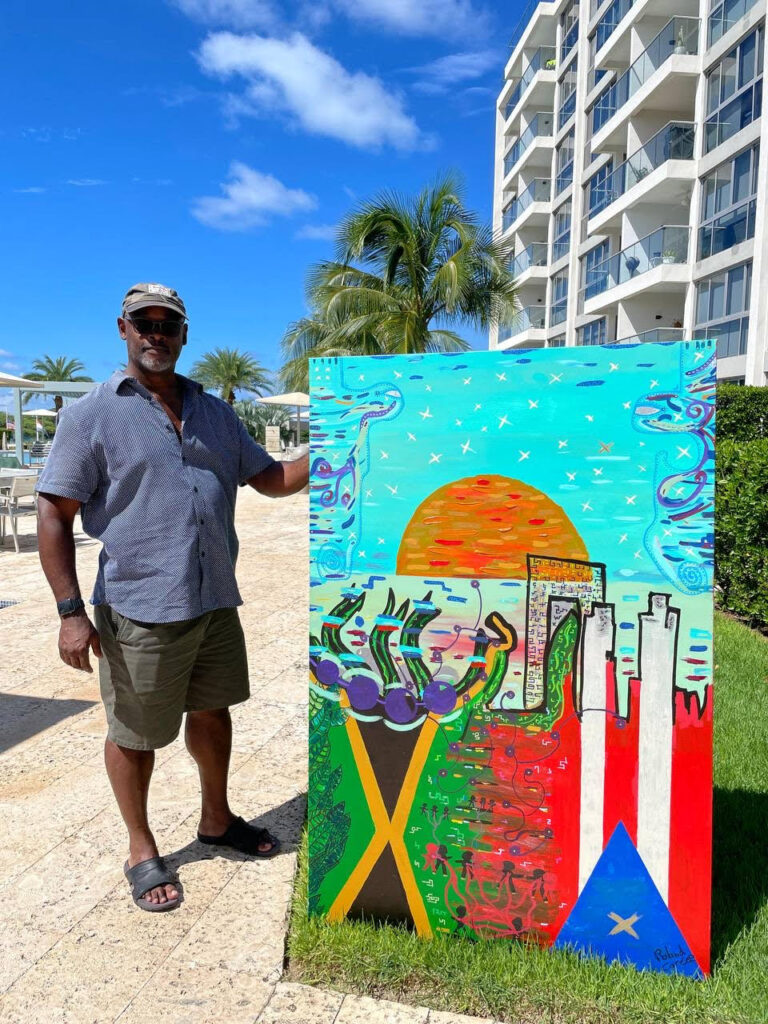
by the light of a million fires.”
Traditional education and hyperspecialization is a way to make people subservient to the dominant paradigm / system