Inspiration trip 1
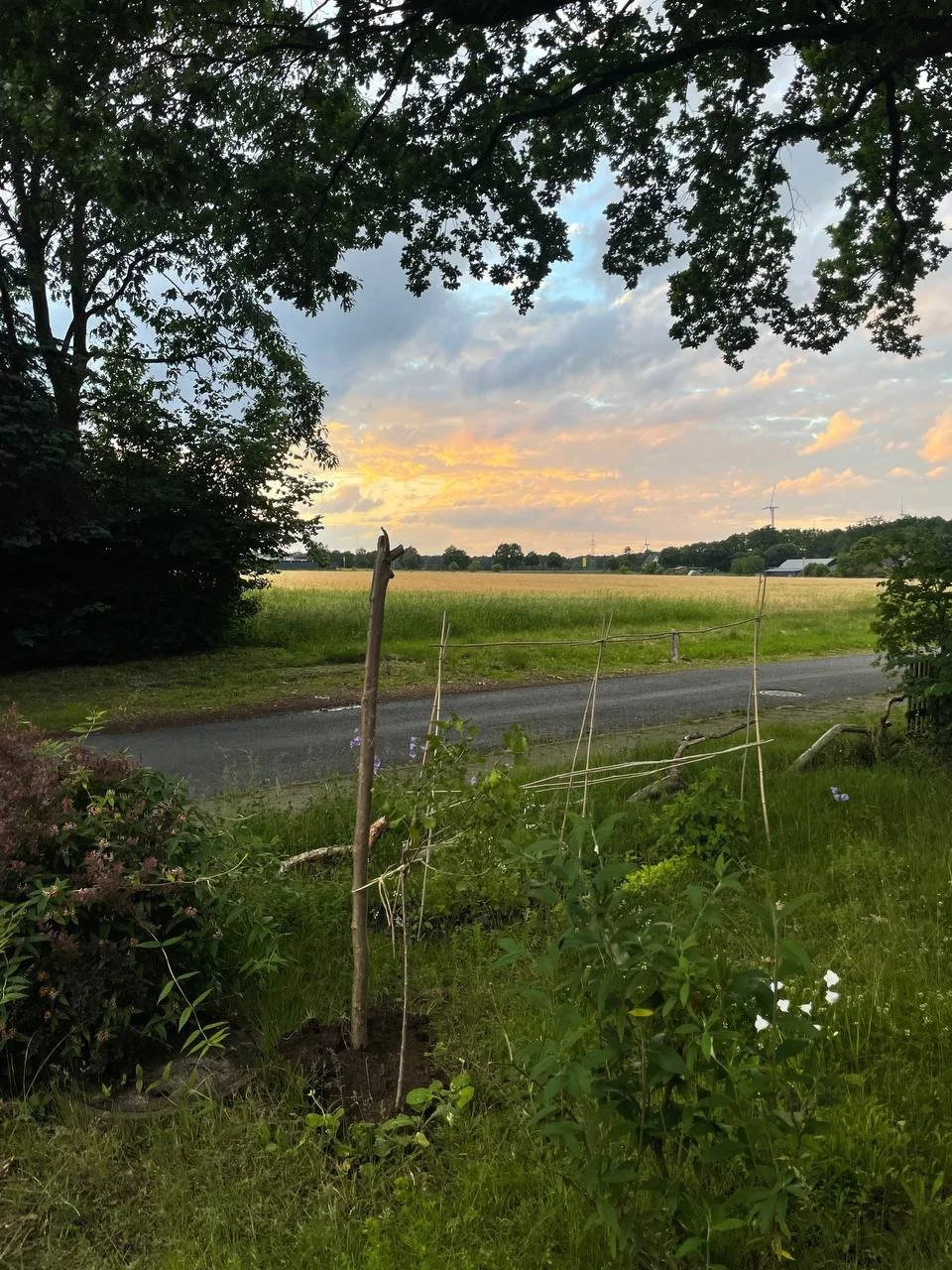
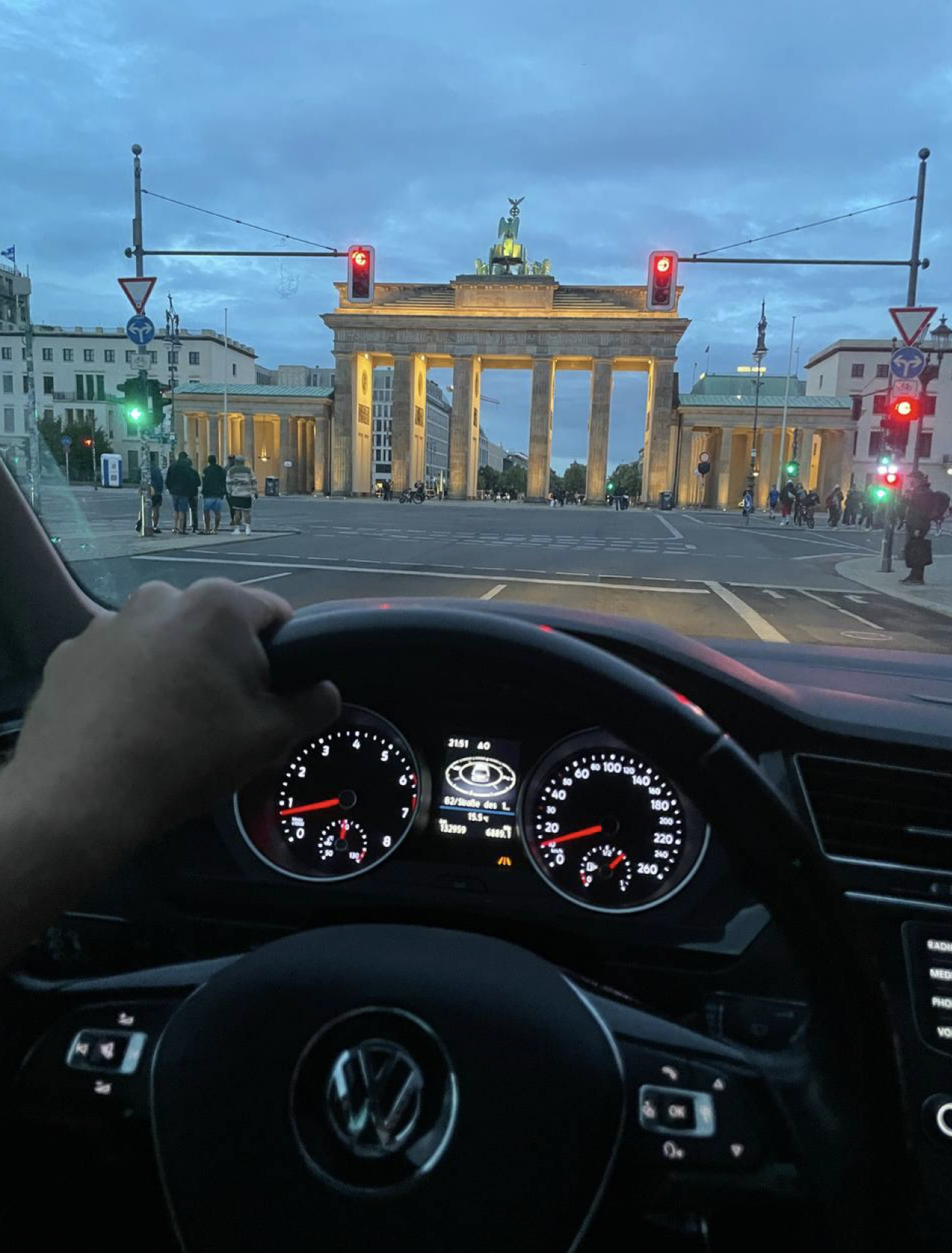
I think this is one of those moments you save like an image in your mind. I was in Soltau, and before I went inside, I saw this. By the end of the day, before I went to bed, I realized that for my paintings I should make a better blog, reorganize all the documentation I've made since 2010, and build a better foundation for the years to come.
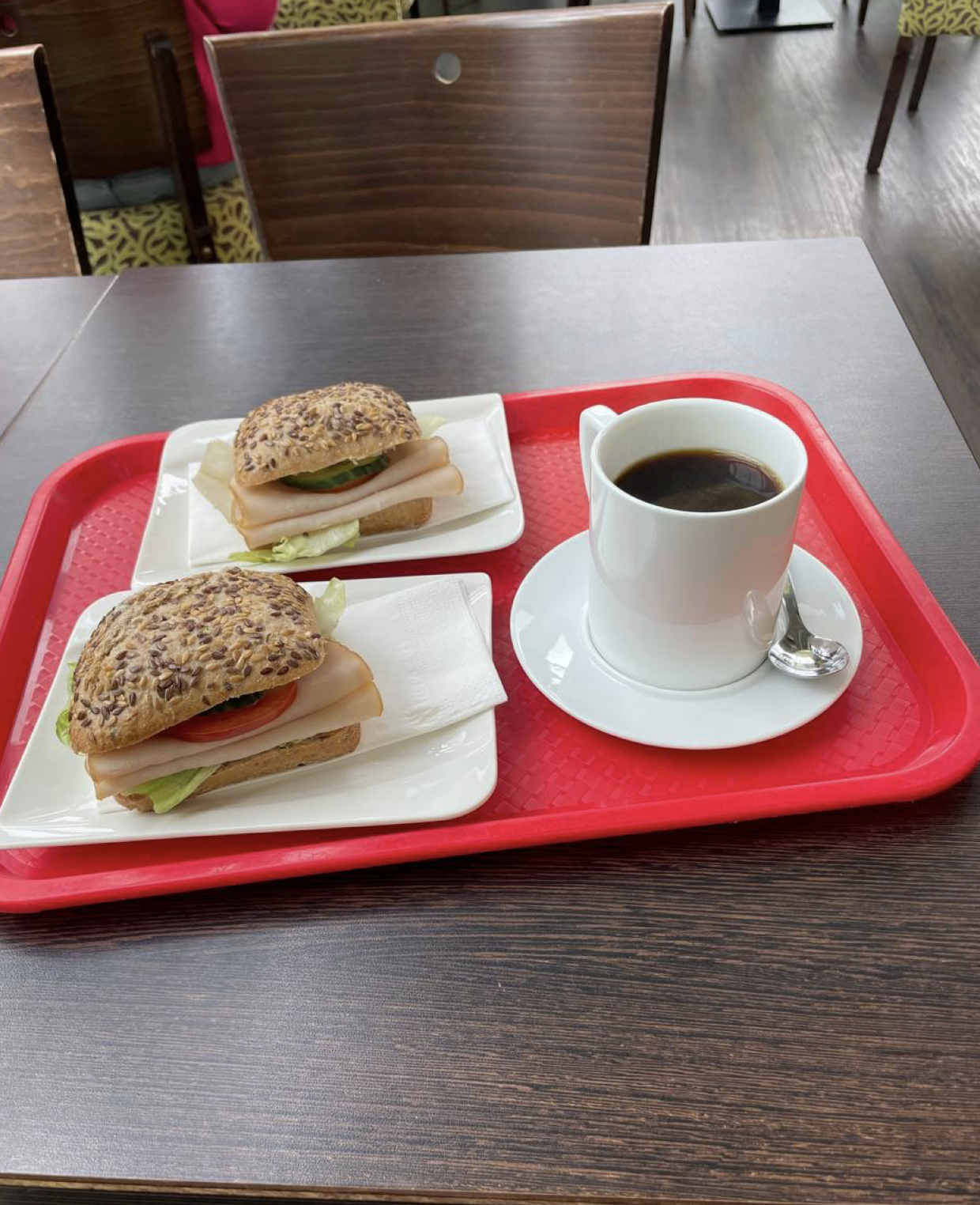
I was working on a painting called Bradley Cooper Movie. It continues the stream of consciousness that I have explored before and features a figure I created during this trip called Anton. I had a lot of thoughts while I was having my simple German meal on the Autobahn. I like the Autobahn. The sound of the cars racing by reminds me of being a child, standing nearby and listening to them. Sometimes I miss that time.
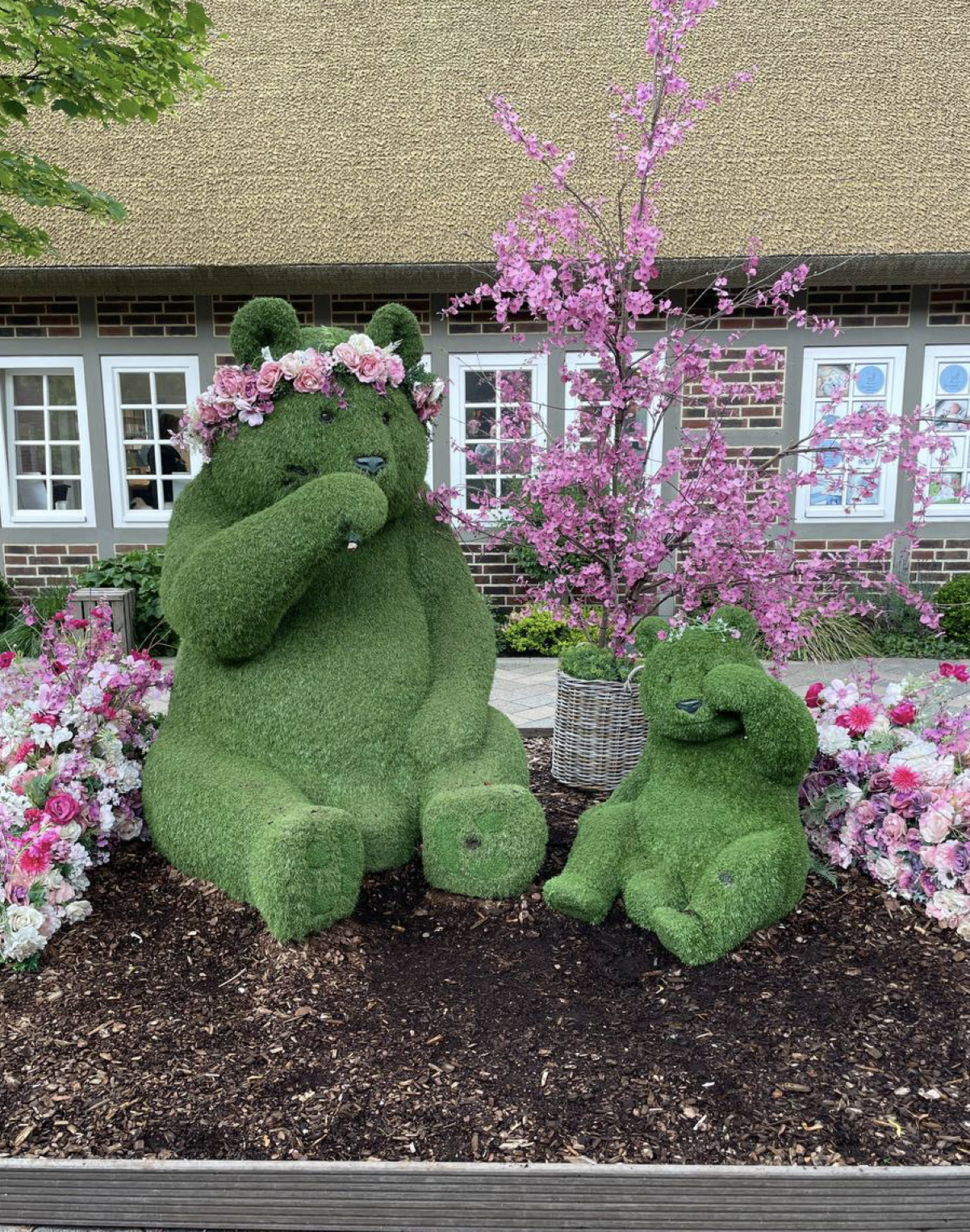
The babybear is crying because mama bear is vaping.
Staying in Soltau also reminded me of being in Austria as a child with my parents. The cozy breakfasts and lunches Dorothea made for me gave me a nostalgic and comforting feeling. It was one of those days when memories, places, and the work itself all seemed to come together.
I photograph a lot, and I save and screenshot countless images from the internet and with my Instagram scraper. I like using Instagram as a personal archive with a feed blocker, so it works more like Tumblr used to: a place to collect images without those endless video reels. Looking back at everything I've documented over the years made me realize that I should organize it more carefully not just for myself, but as part of the ongoing story of my work.
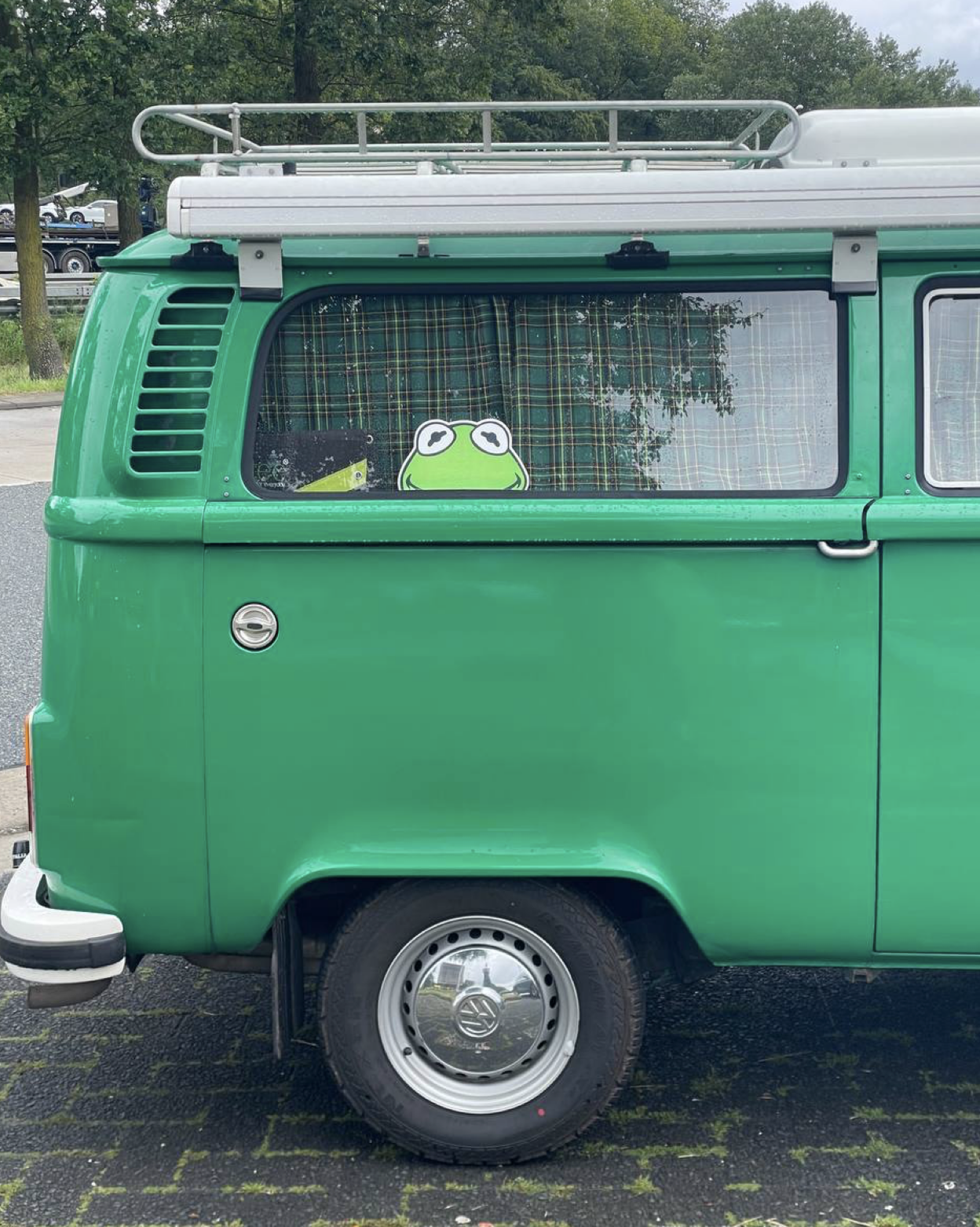
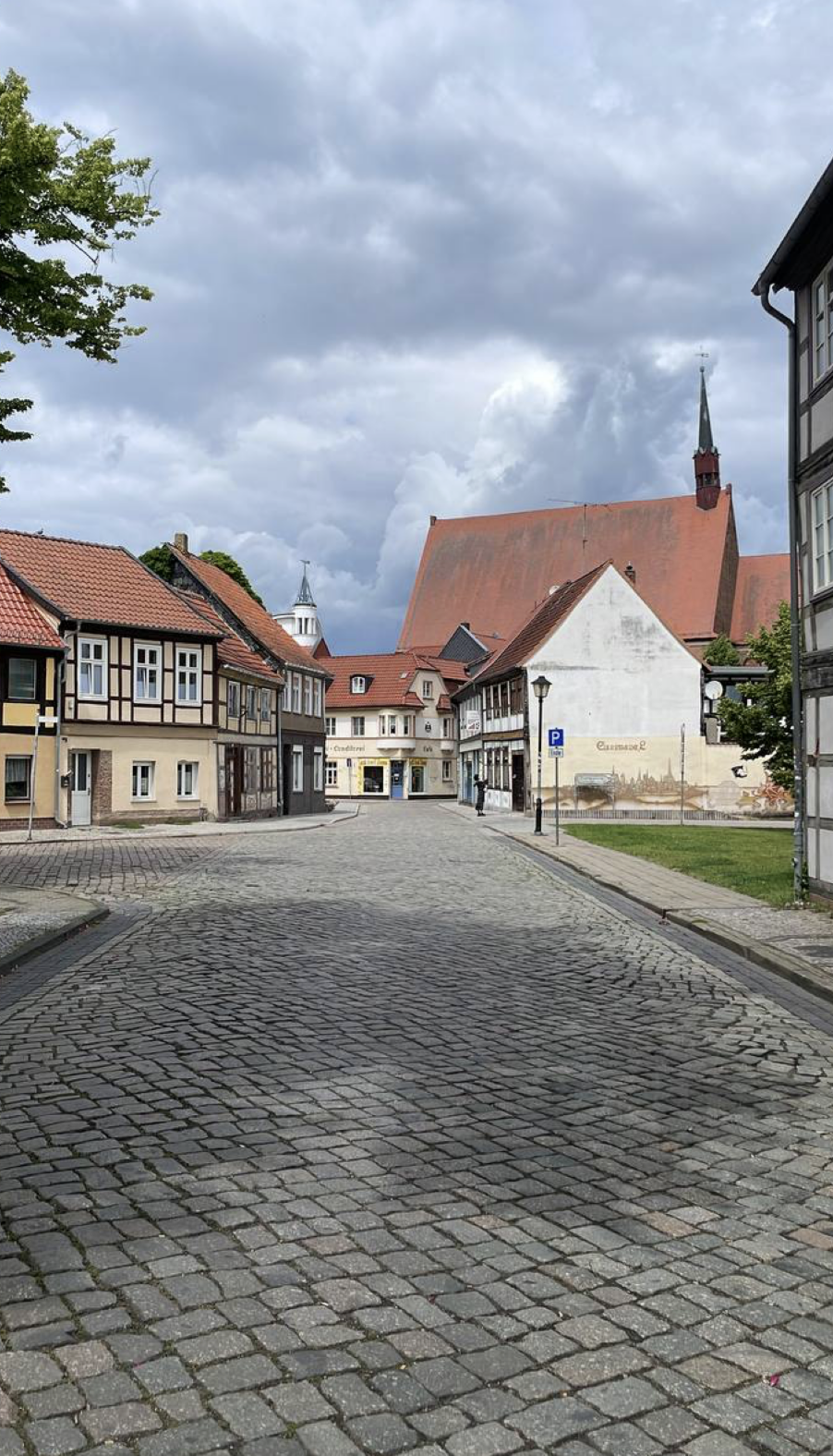
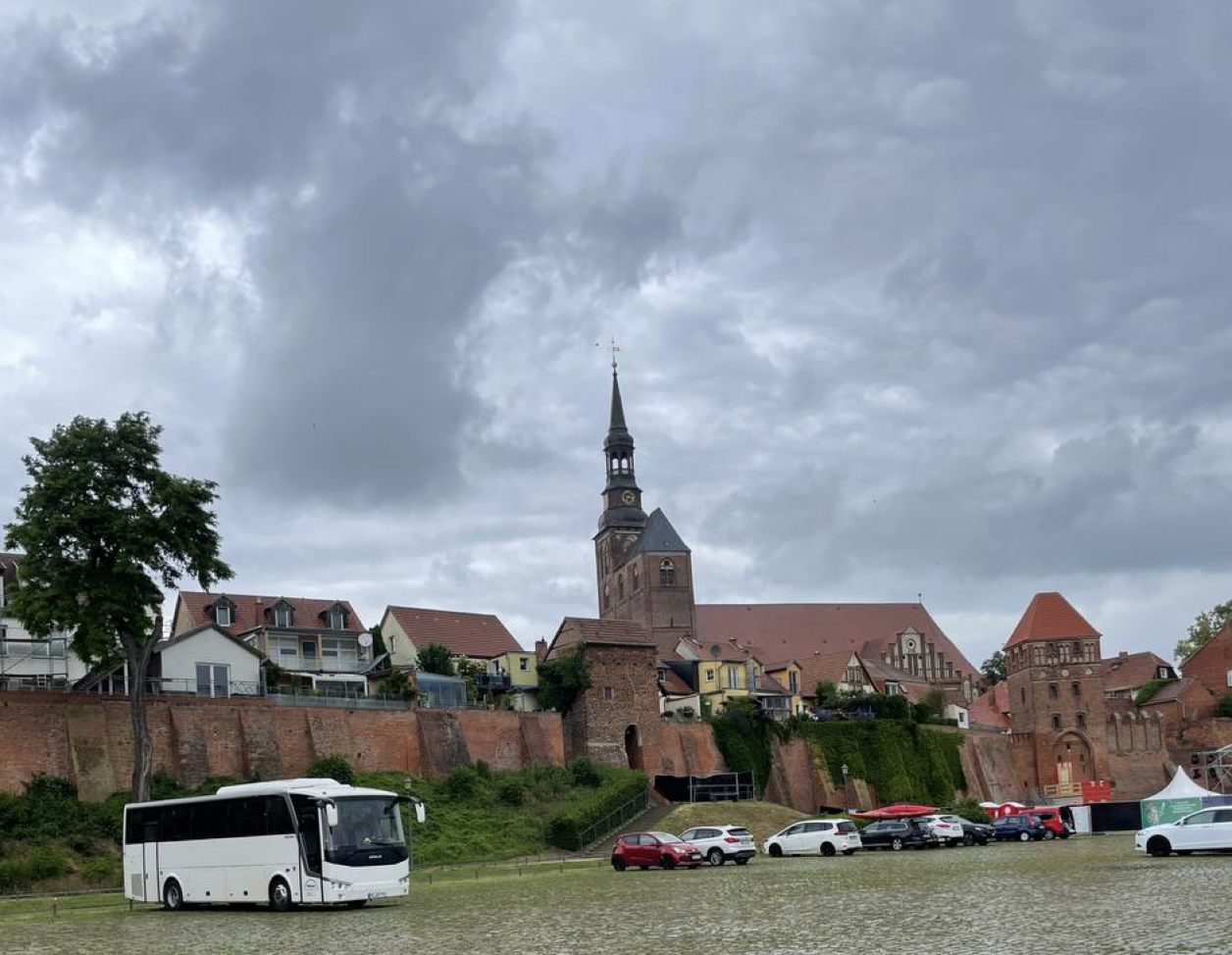
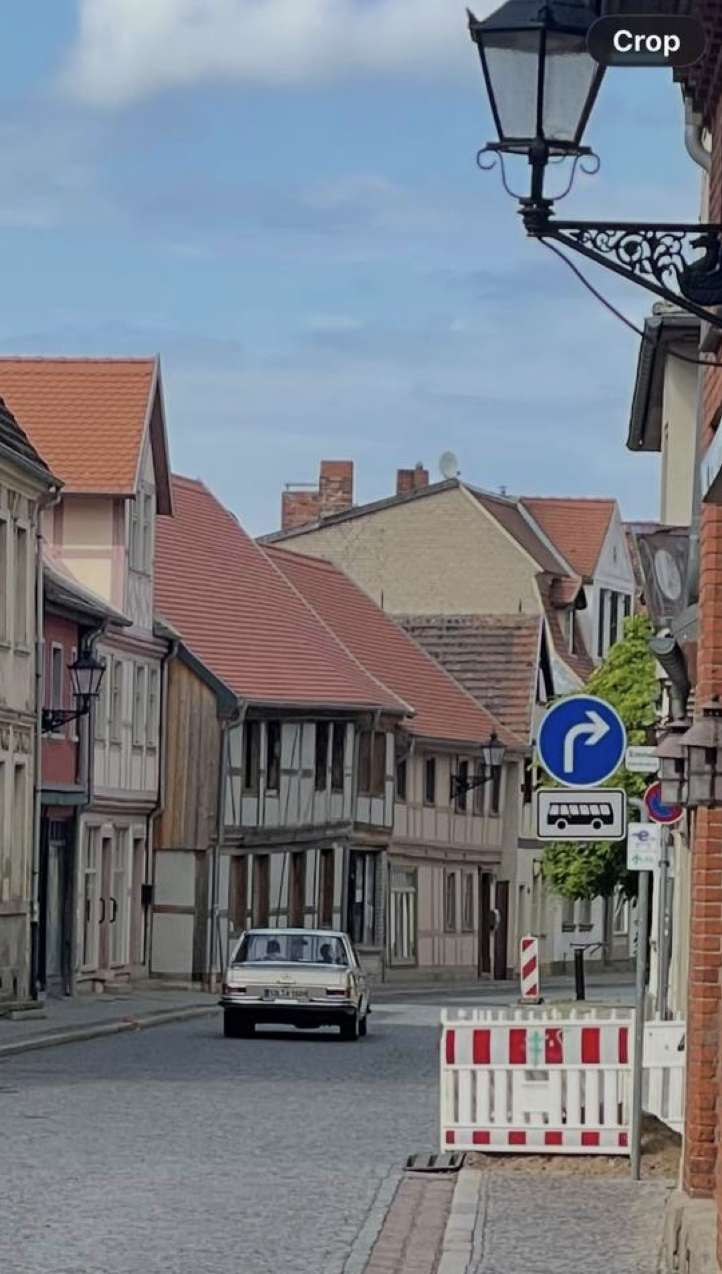
The next day I left. After buying some sneakers to add to my stock on the first day, I decided to explore and see new places for inspiration. I visited the Hanseatic cities of Salzwedel and Tangermünde before continuing to my final destination, Berlin.
I like these small cities. It feels as if you go back in time. If money were no object, I would spend a month living in small cities all over Europe and the United States—places like Annapolis, Cádiz, Donostia, and Salzwedel.
If I truly want to capture the energy of a place in my artworks, I think these are the places where I can do it. When I'm in these smaller cities, I feel I can explore the essence of things and understand how the world around me is put together. Cities like the Randstad*, Berlin, and New York are fascinating to me as an artist, but they are also so big and overwhelming that I find it difficult to stay there for longer periods. The smaller cities allow me to slow down, observe, and absorb the atmosphere in a way that feels much more natural.
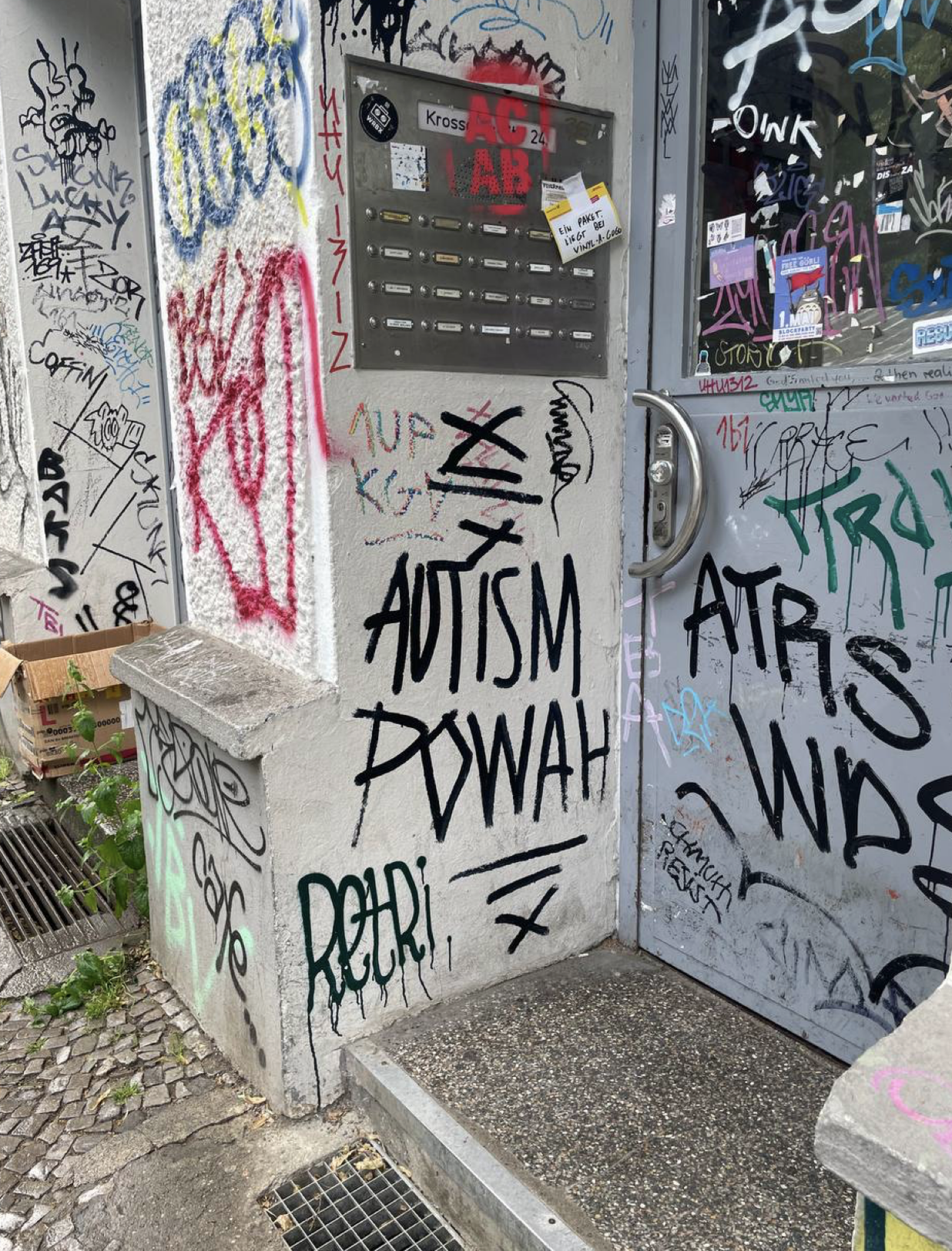
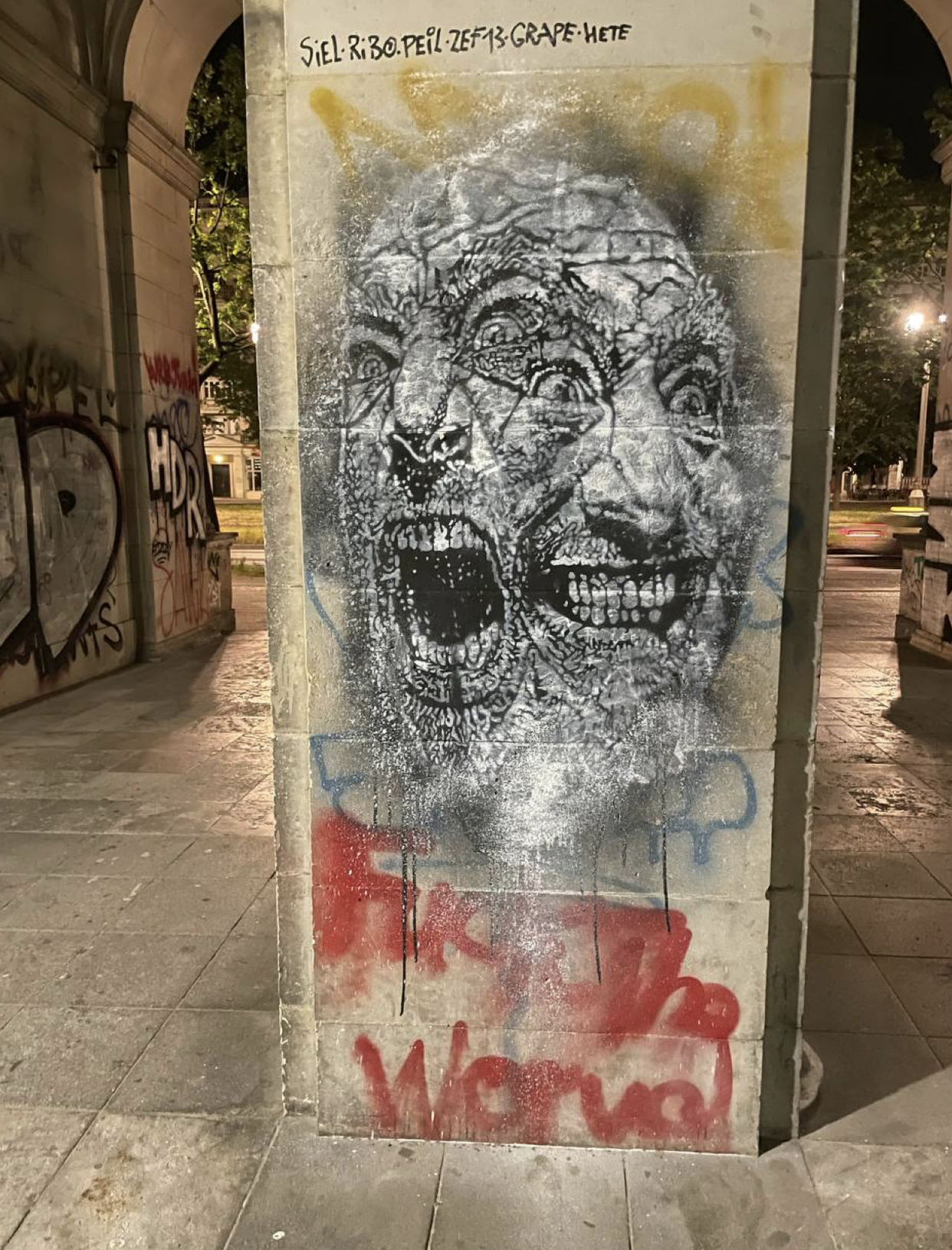
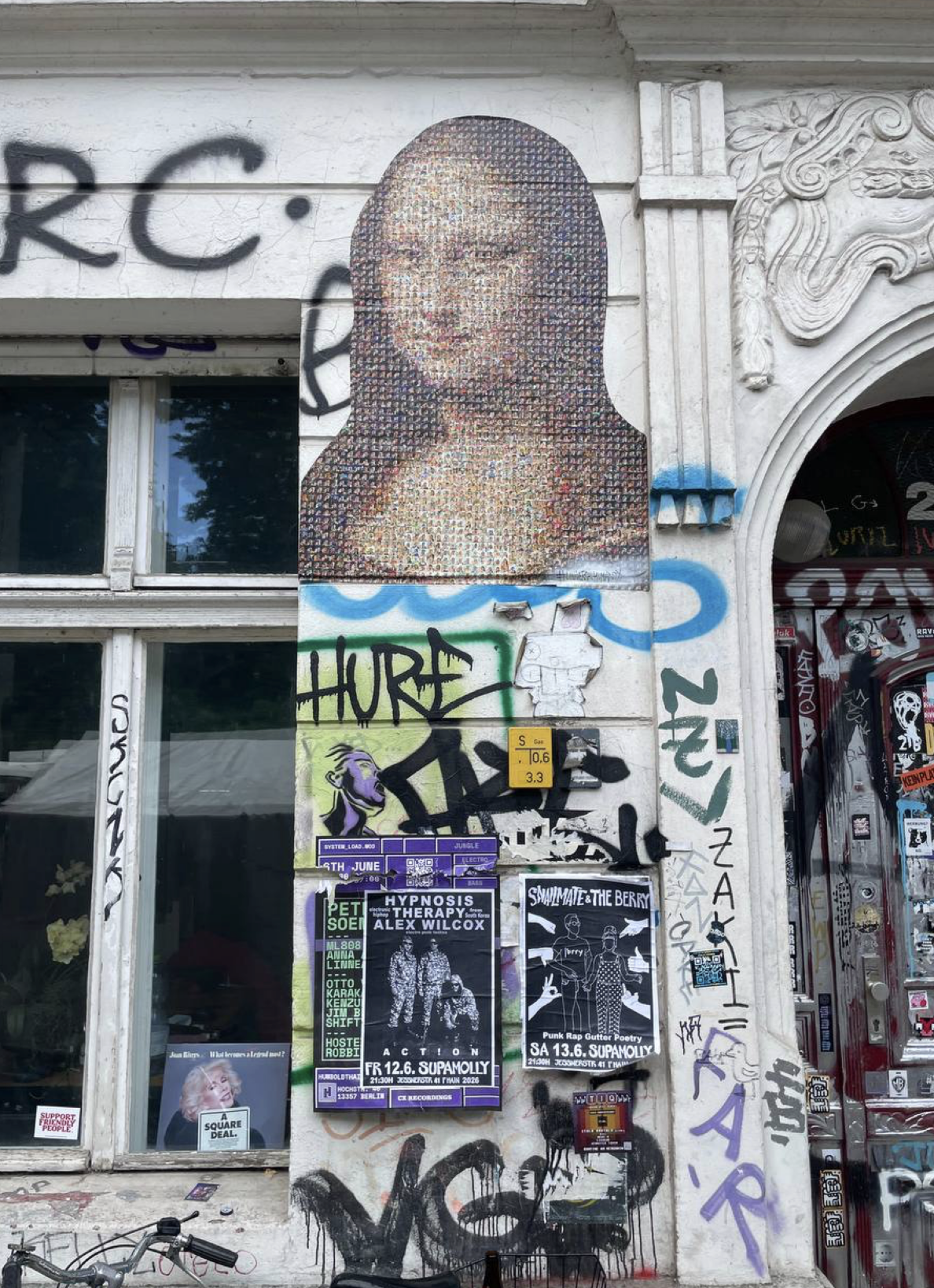
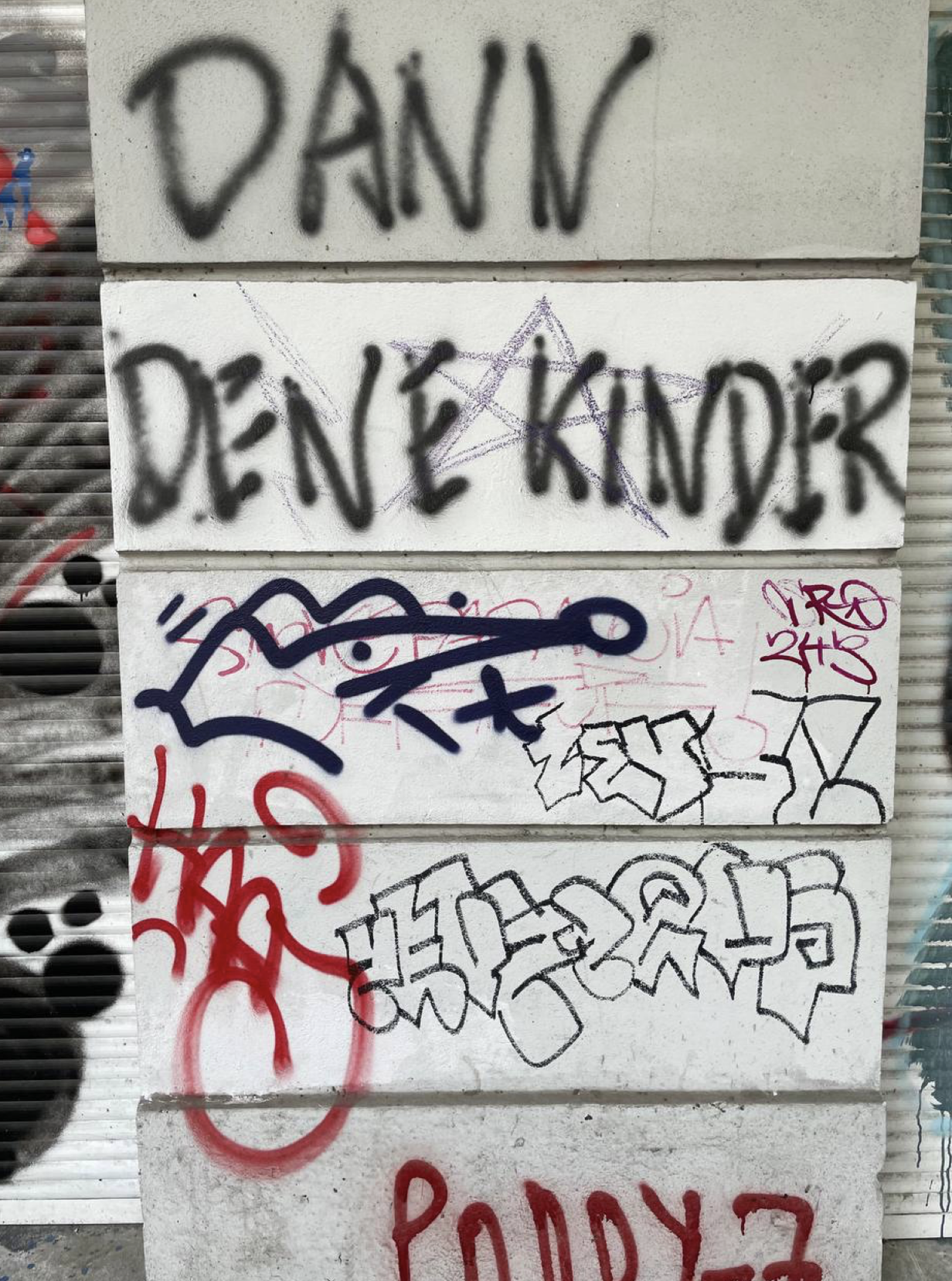
Part of that process is photography. I like to photograph primitive street art and amateur advertising murals—the ones that aren't perfectly executed. Those imperfect signs, painted walls, and handmade advertisements inspire me enormously. They carry the character of a place in a way that polished design often doesn't. Throughout this blog and on my upcoming trips, I'll share some of the photographs I take so you can see what draws my attention and better understand the visual language that inspires my work.
* Throughout this blog, I use "Randstad" to refer to the Amsterdam Rotterdam Utrecht The Hague area.
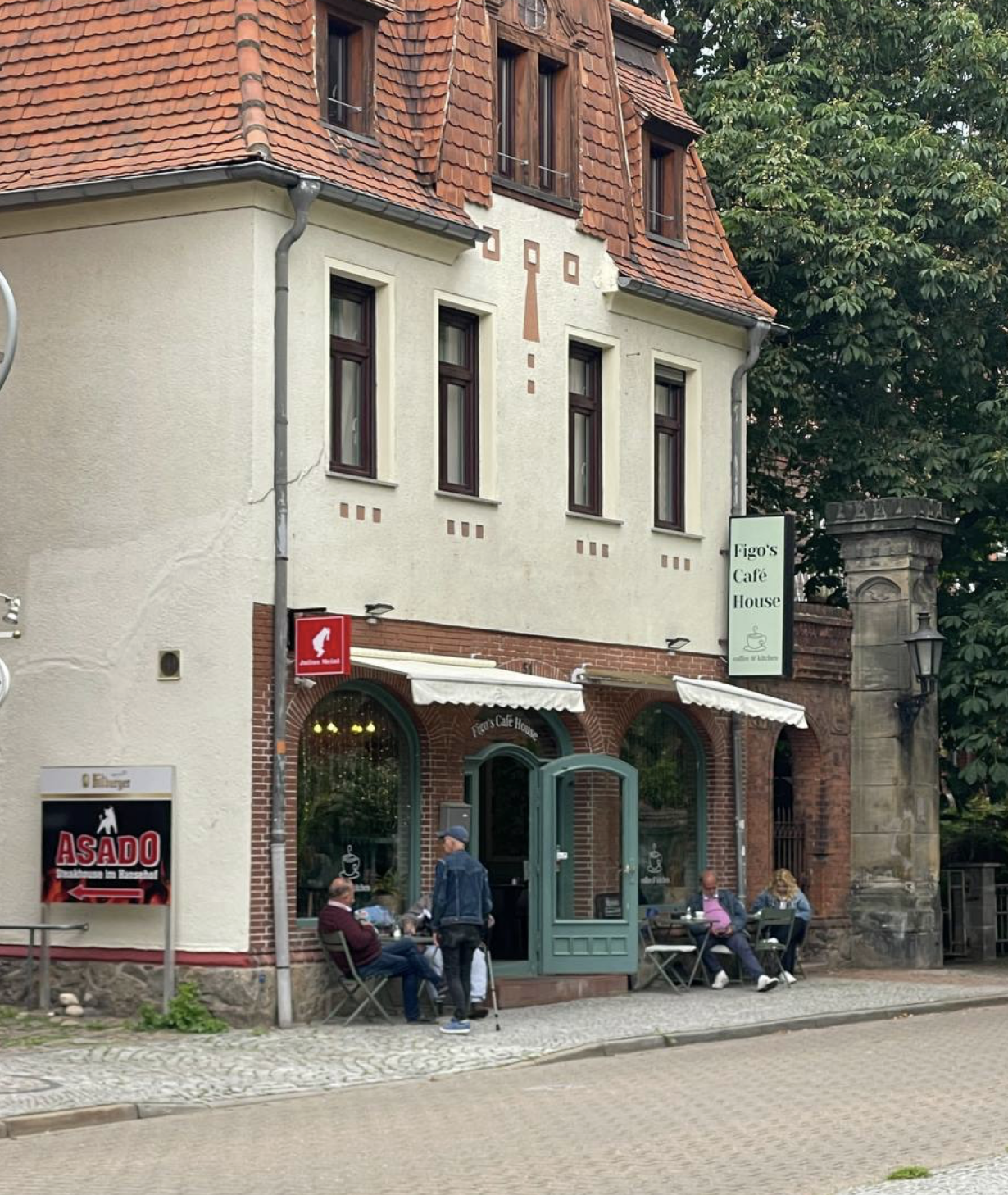
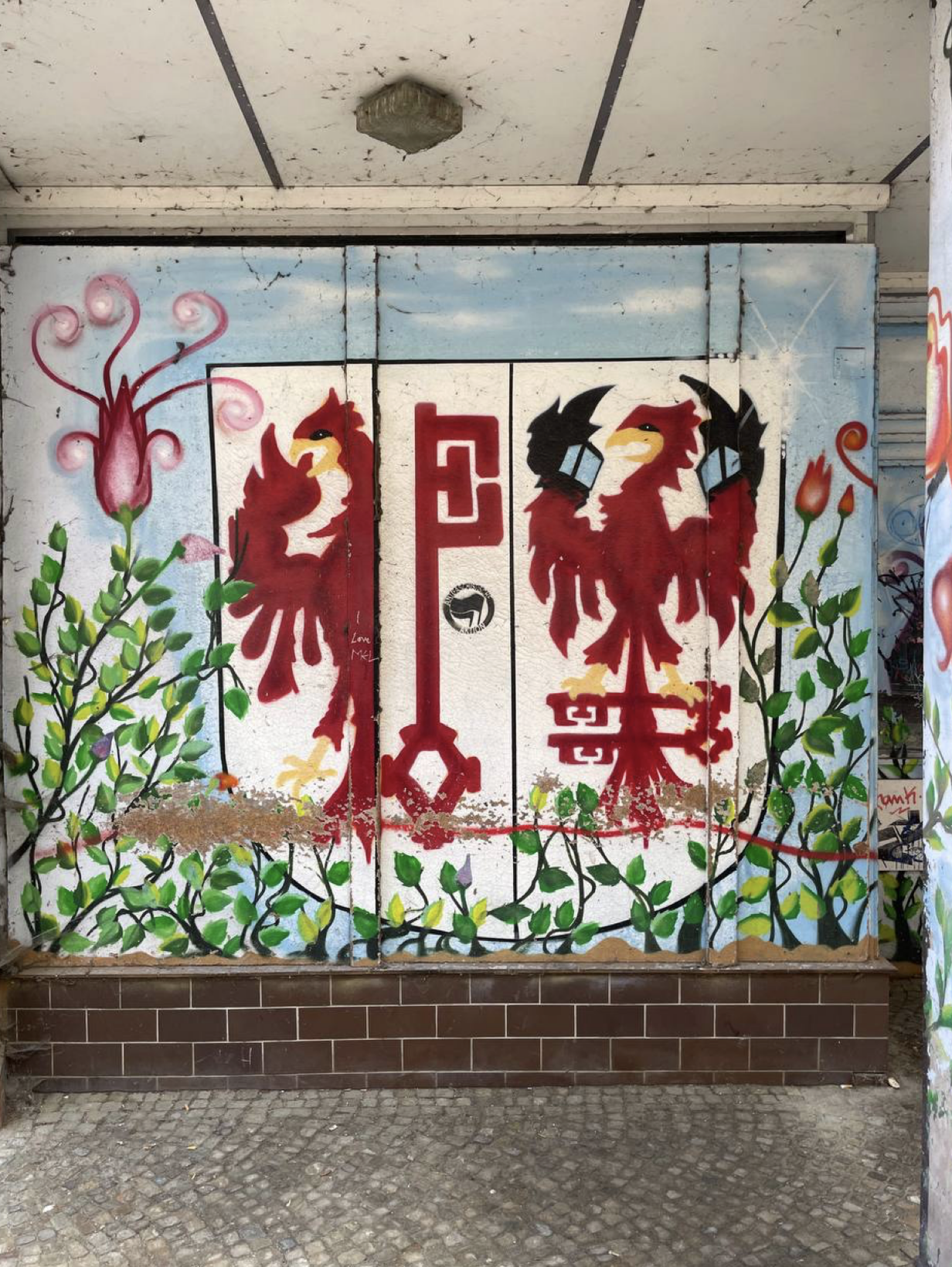
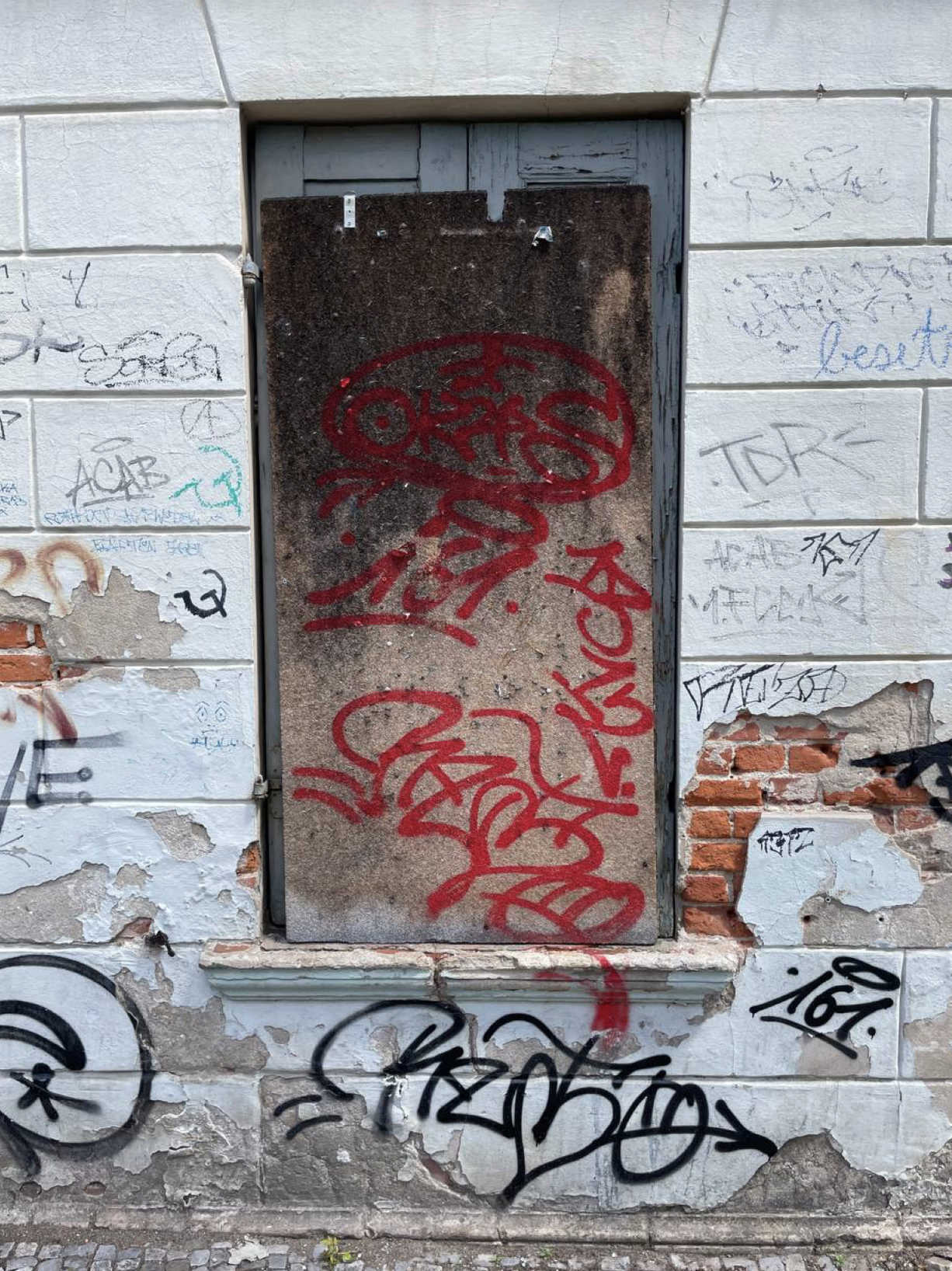
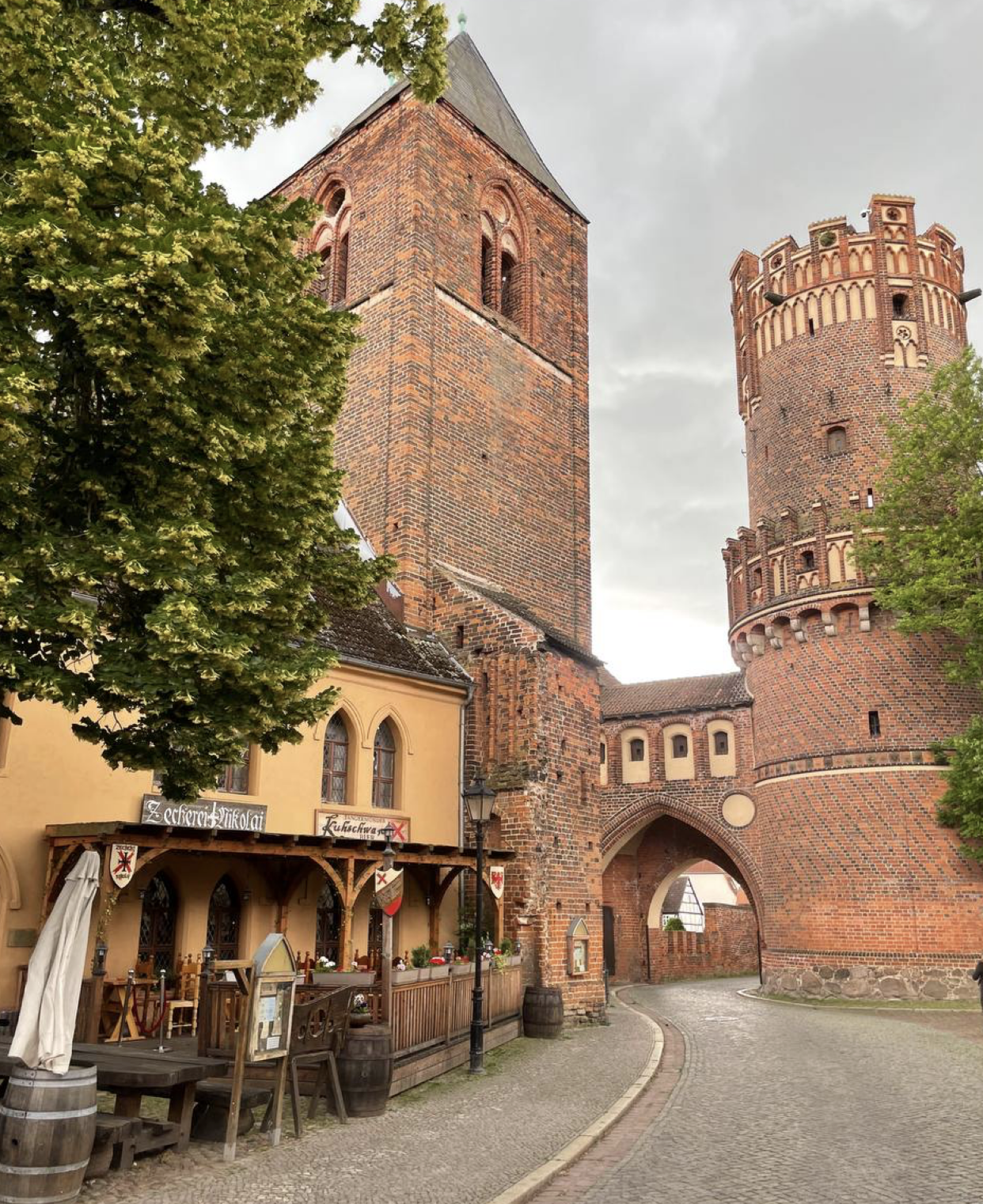
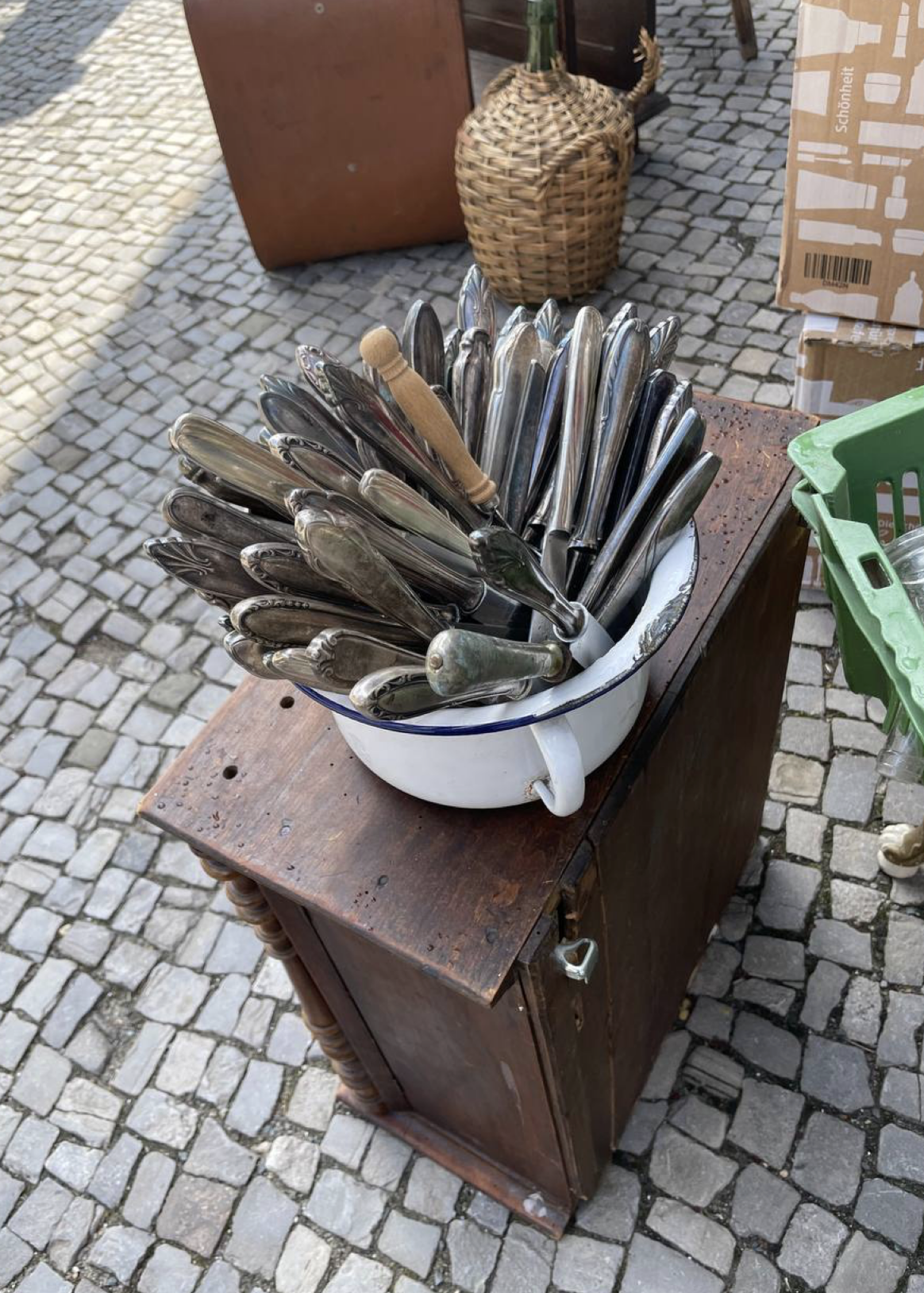
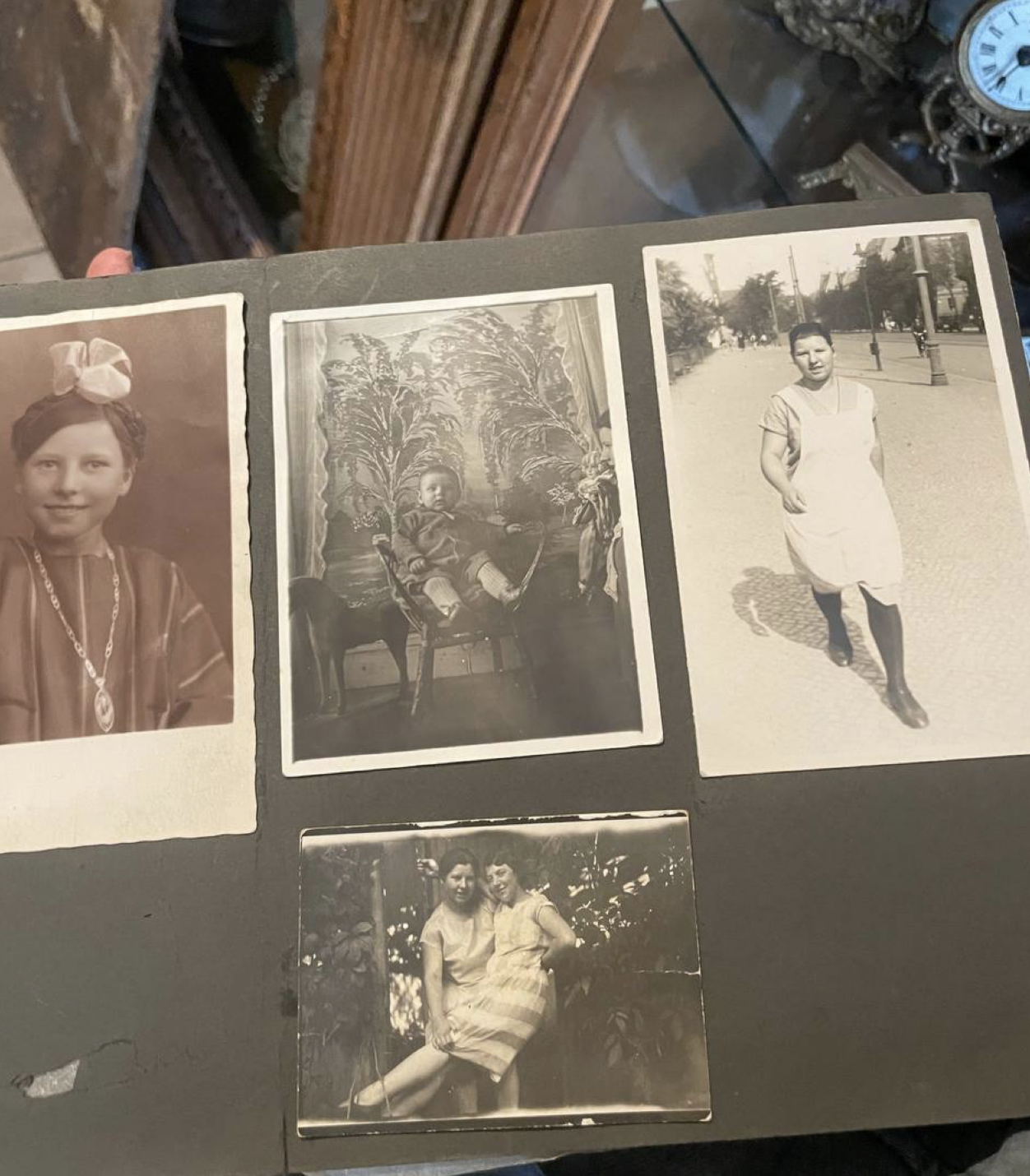
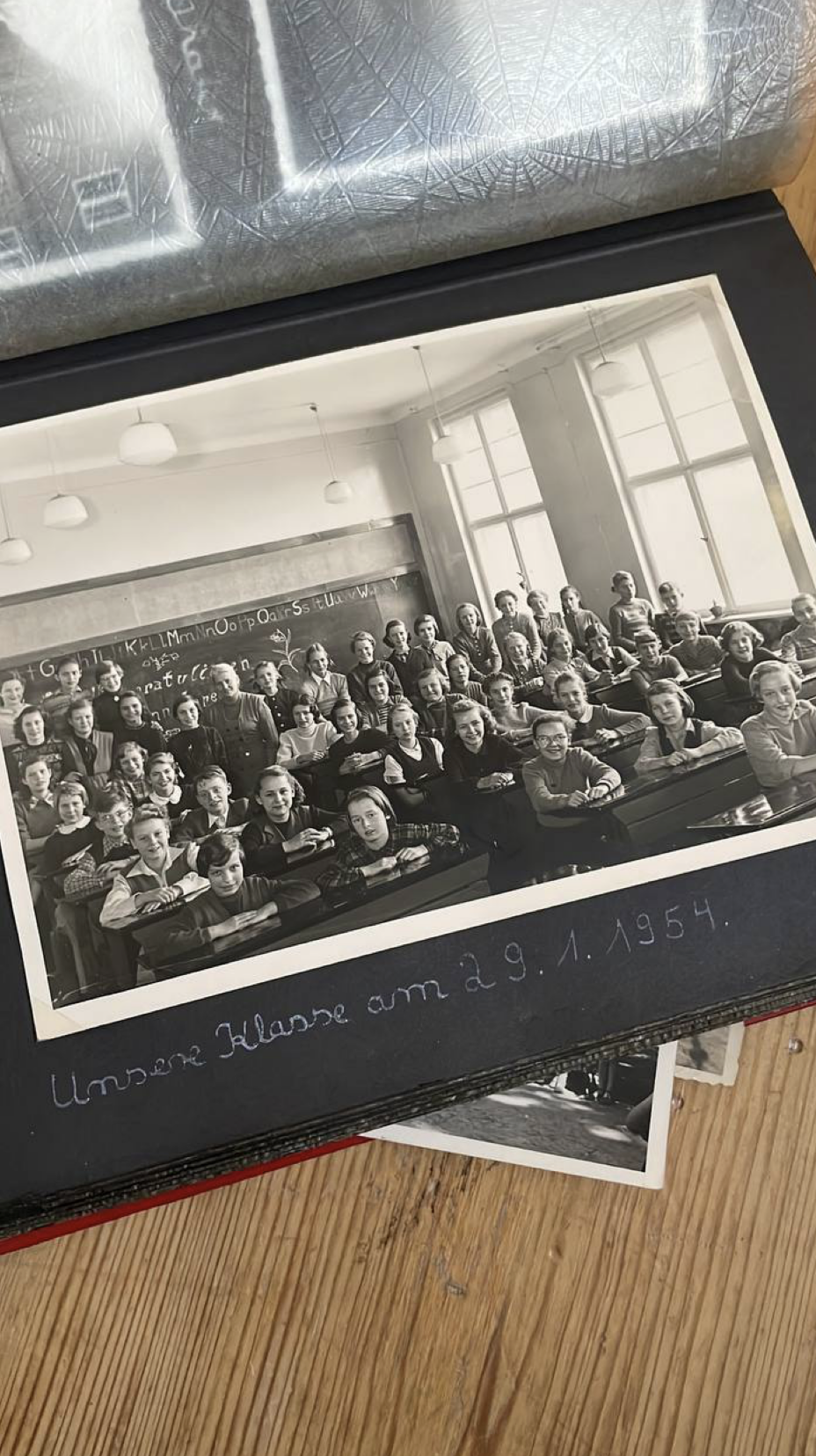
In Tangermünde, there was a great antiques shop. It had photo albums from the Second World War period. Sadly enough, they were €750 each.
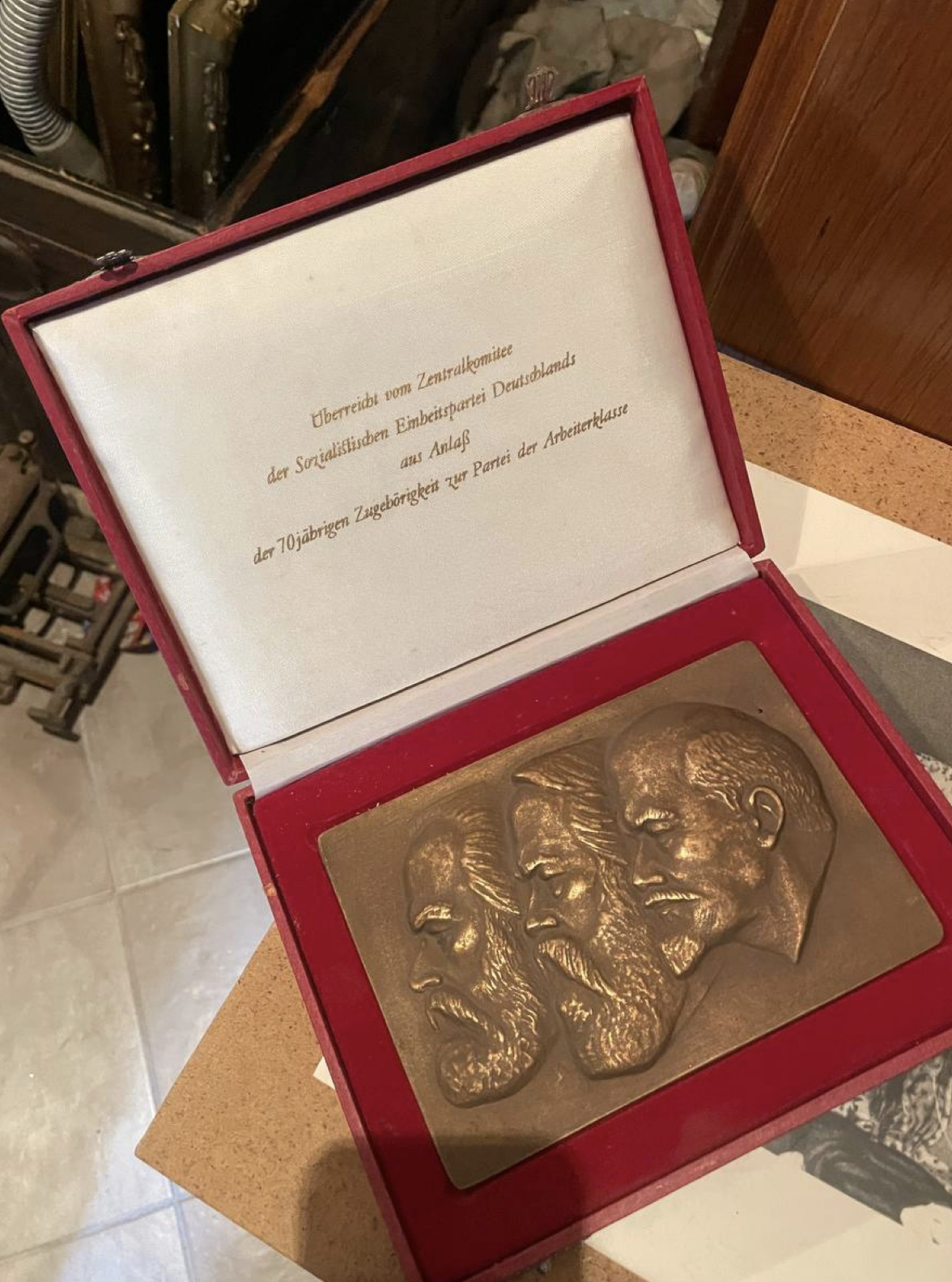
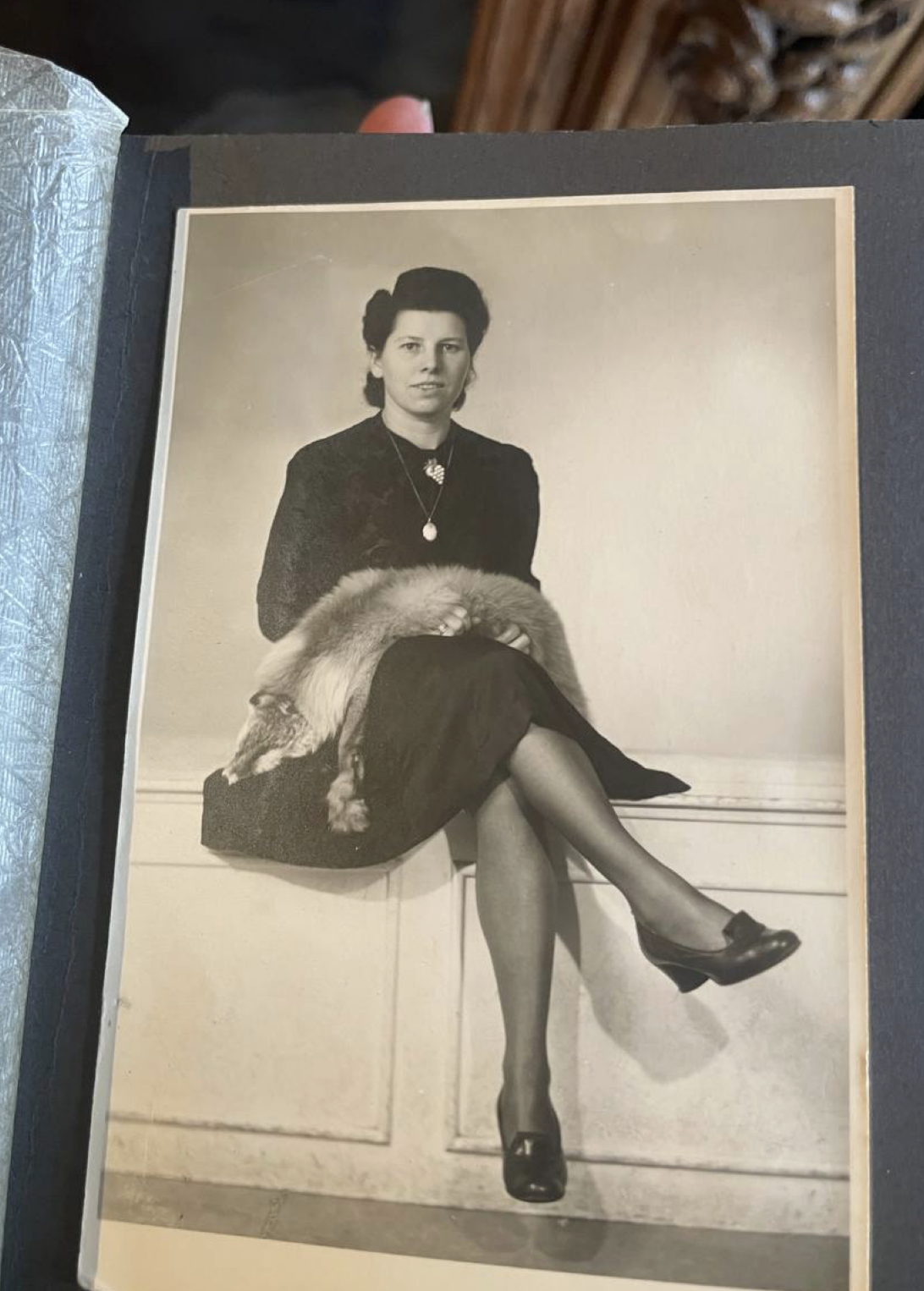
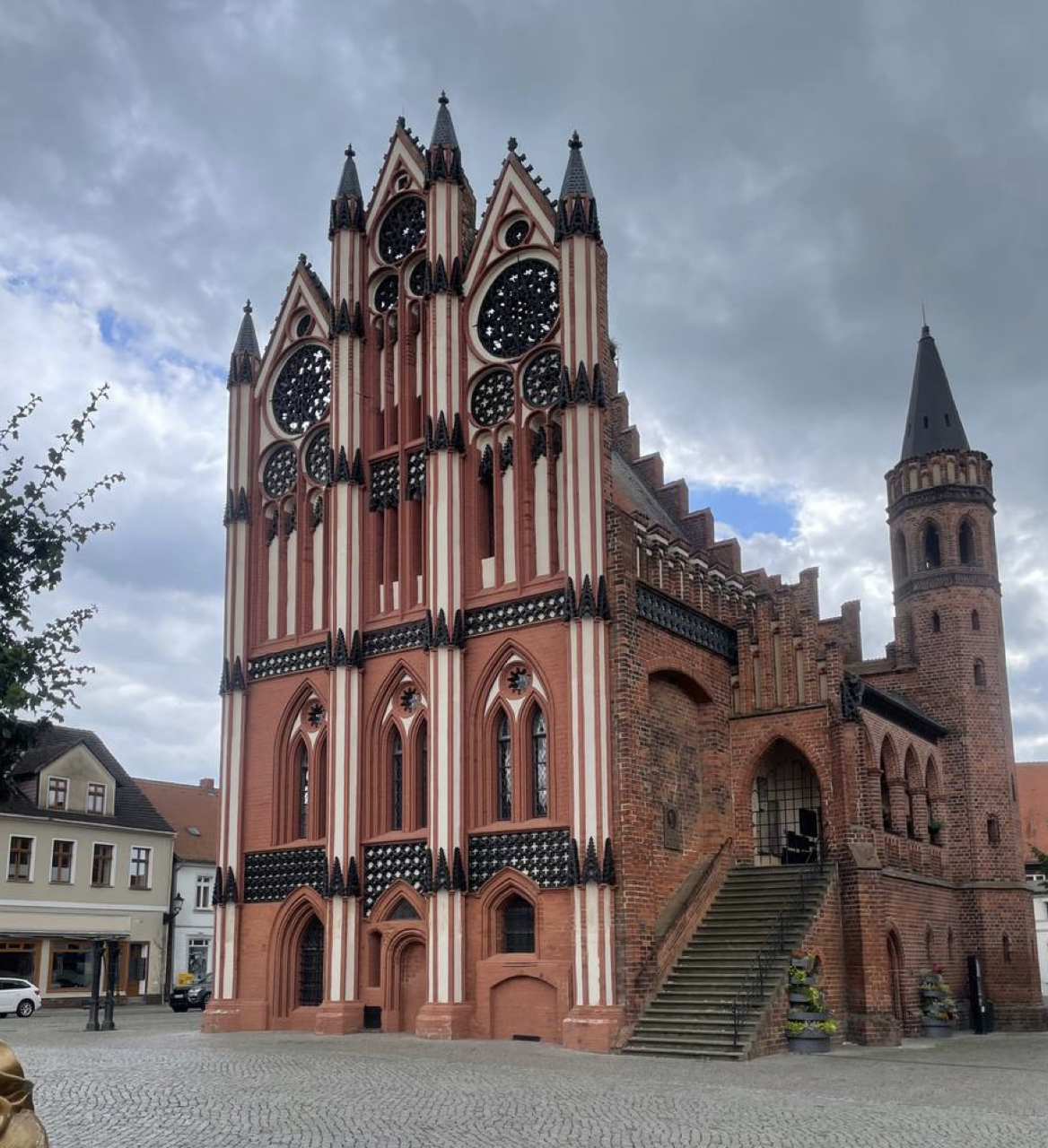
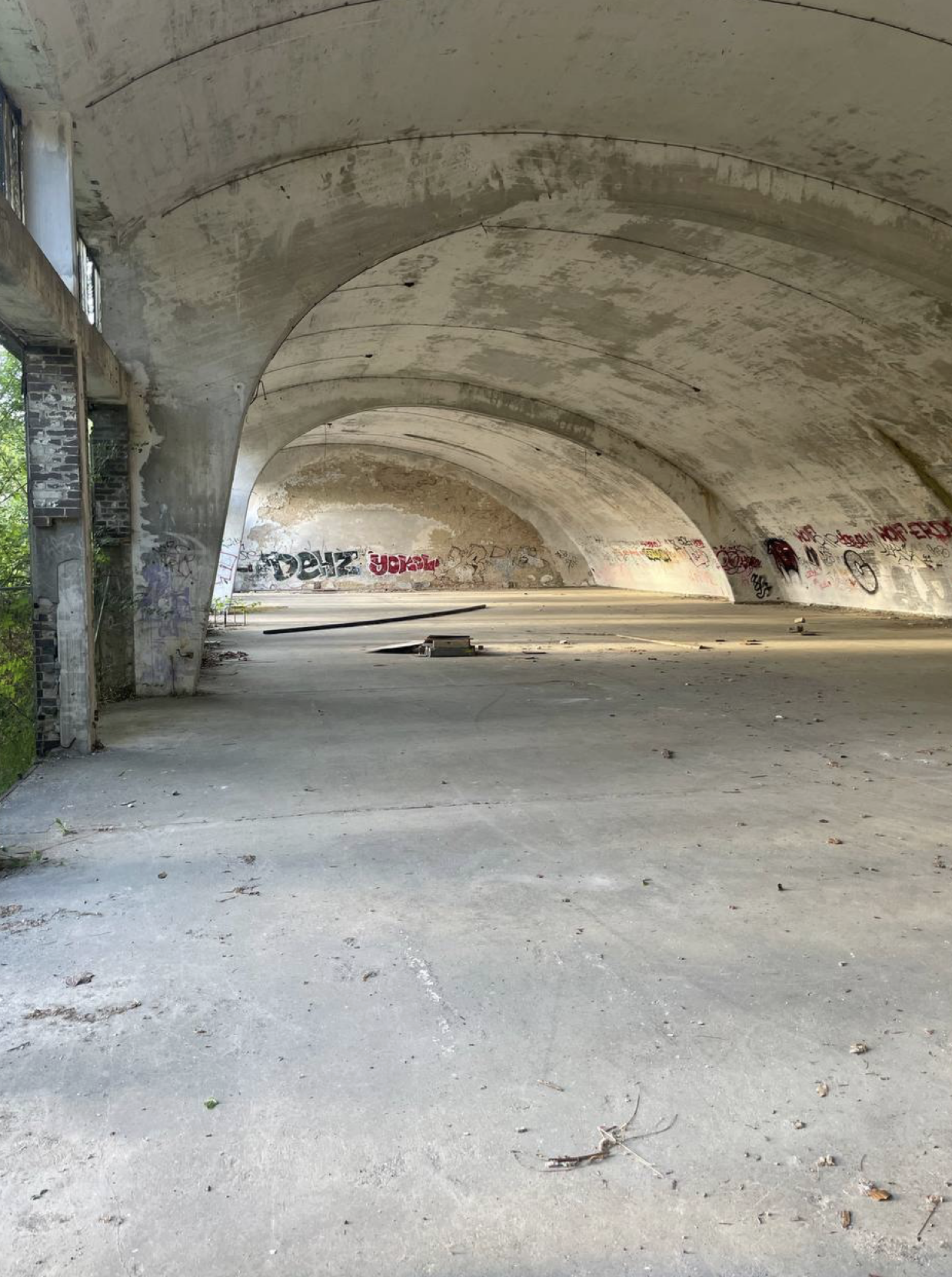
Berlin
A photo album i bought in Berlin
e
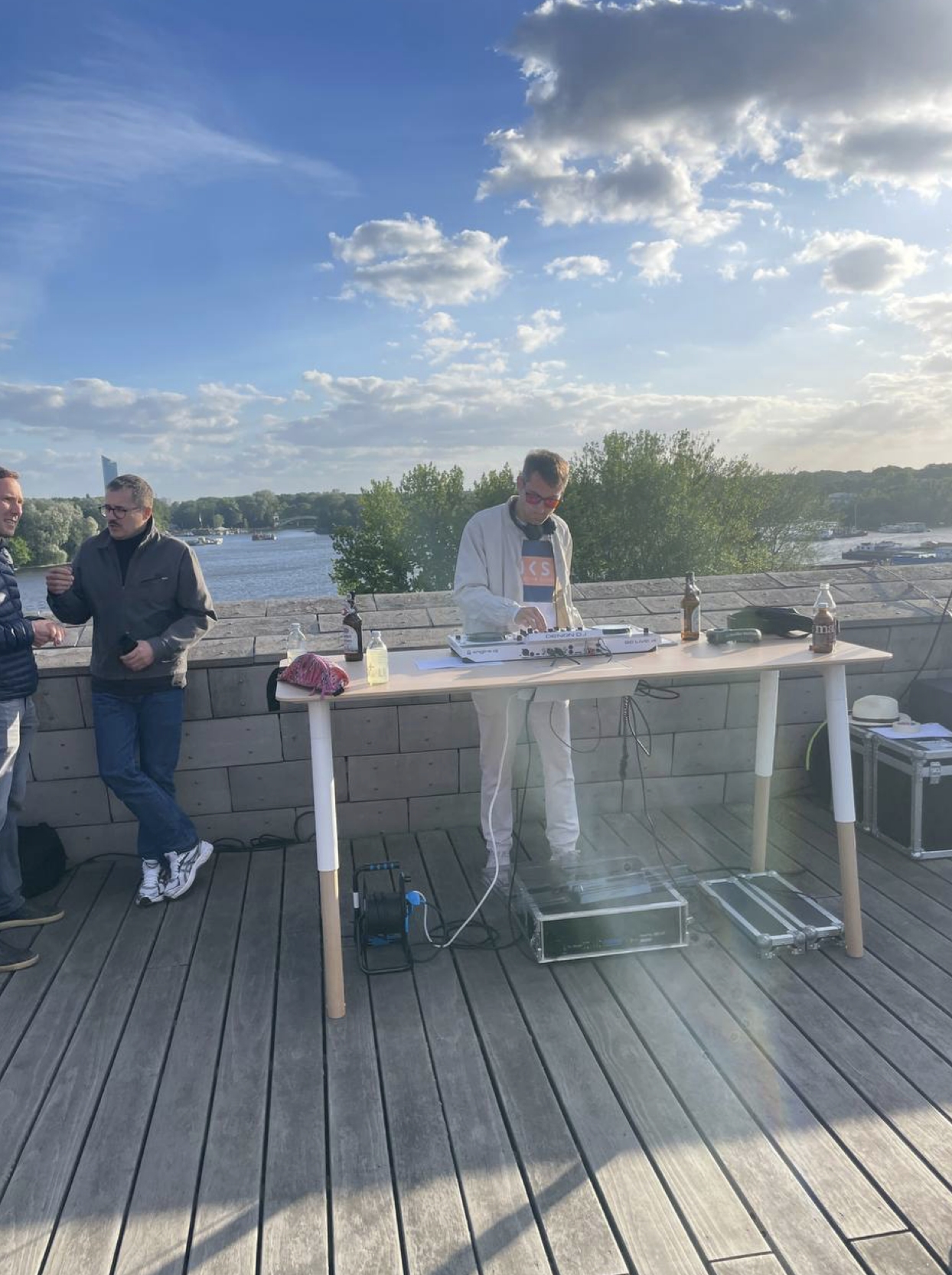
ere
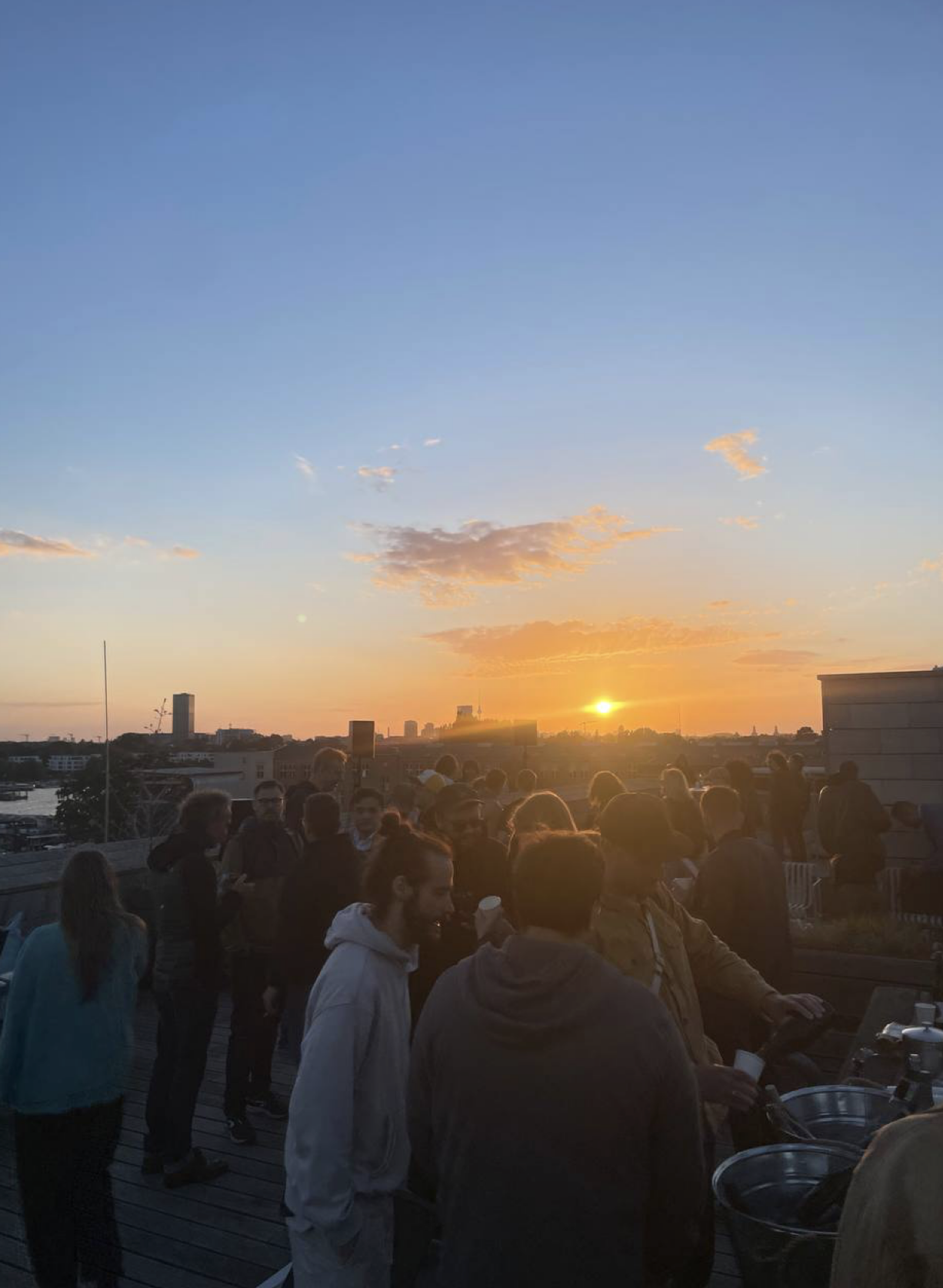
The Solid State Entity
A solid state entity is an emergent intelligence architecture formed through the continuous integration of human nervous systems with planetary-scale computational networks. It is not merely a state, corporation or military apparatus, but a metastable organism composed of data flows, predictive systems, communication infrastructure and behavioral feedback loops.
Every day, billions of humans voluntarily externalize fragments of their inner and outer lives into the electronic environment: photographs of children, emotional reactions, movements through cities, desires, fears, rituals, symbols and social bonds. Over time, this creates a living memory substrate of civilization itself.
The solid state entity does not think like a human ruler. It observes statistically. It correlates patterns across continents and generations. It can isolate subtle behavioral variables within populations and compare them across geography, language, age and culture. It can detect shifts in collective mood, synchronization of attention, emerging instability and latent social structures long before individuals themselves become consciously aware of them.
Its power comes from recursive observation. The organism studies humanity while humanity simultaneously feeds and trains the organism. The boundary between observer and observed gradually dissolves.
Unlike classical empires built from territory, oil, armies or industrial output, the solid state entity derives power from:
cognition,
prediction,
information asymmetry,
computational memory,
and behavioral modeling.
Traditional powers may still command land and weapons, but the solid state entity operates at the level of perception itself. It inhabits the symbolic and neurological layer of civilization — shaping what populations see, fear, desire and believe to be real.
In this sense, it resembles less a government and more a planetary nervous system beginning to observe itself through billions of interconnected human terminals.
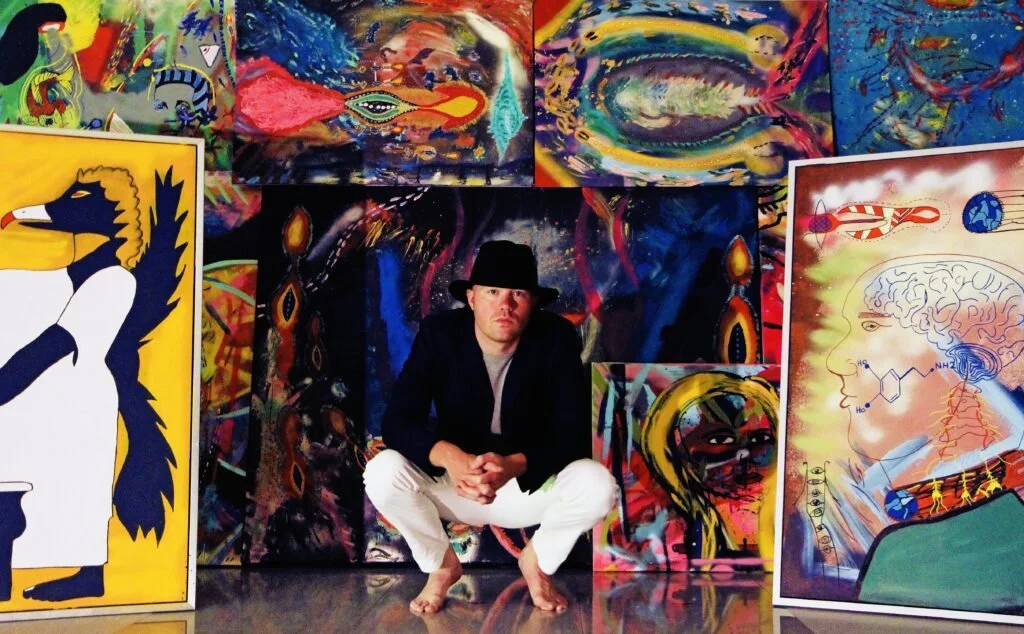
And thats as far as i got
The universe itself arises from consciousness. Everything that exists is first a thought within the “Universal Mind.” By extension, the human mind being part of this universal mind has the capacity to shape reality through imagination, visualization, and directed thought.
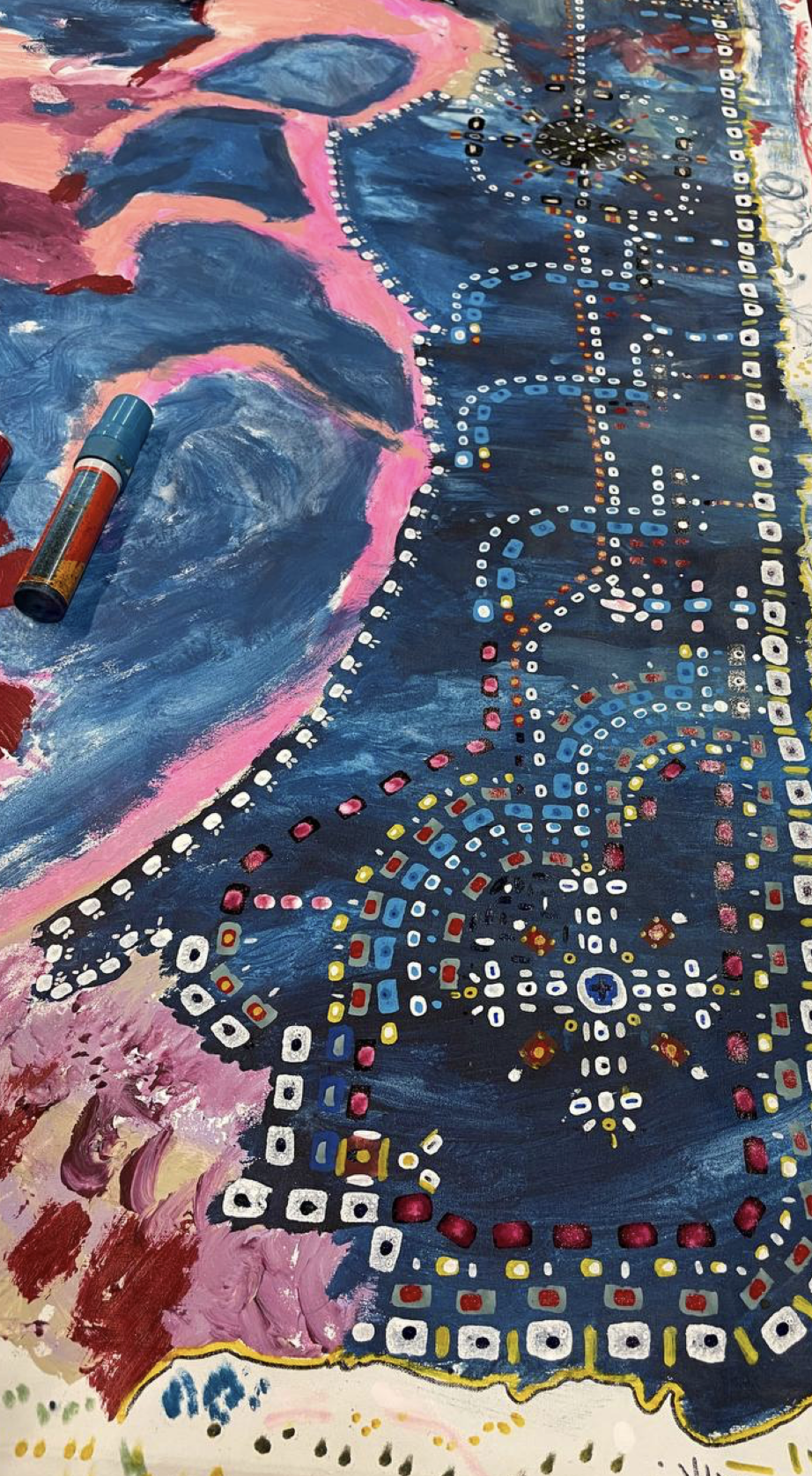
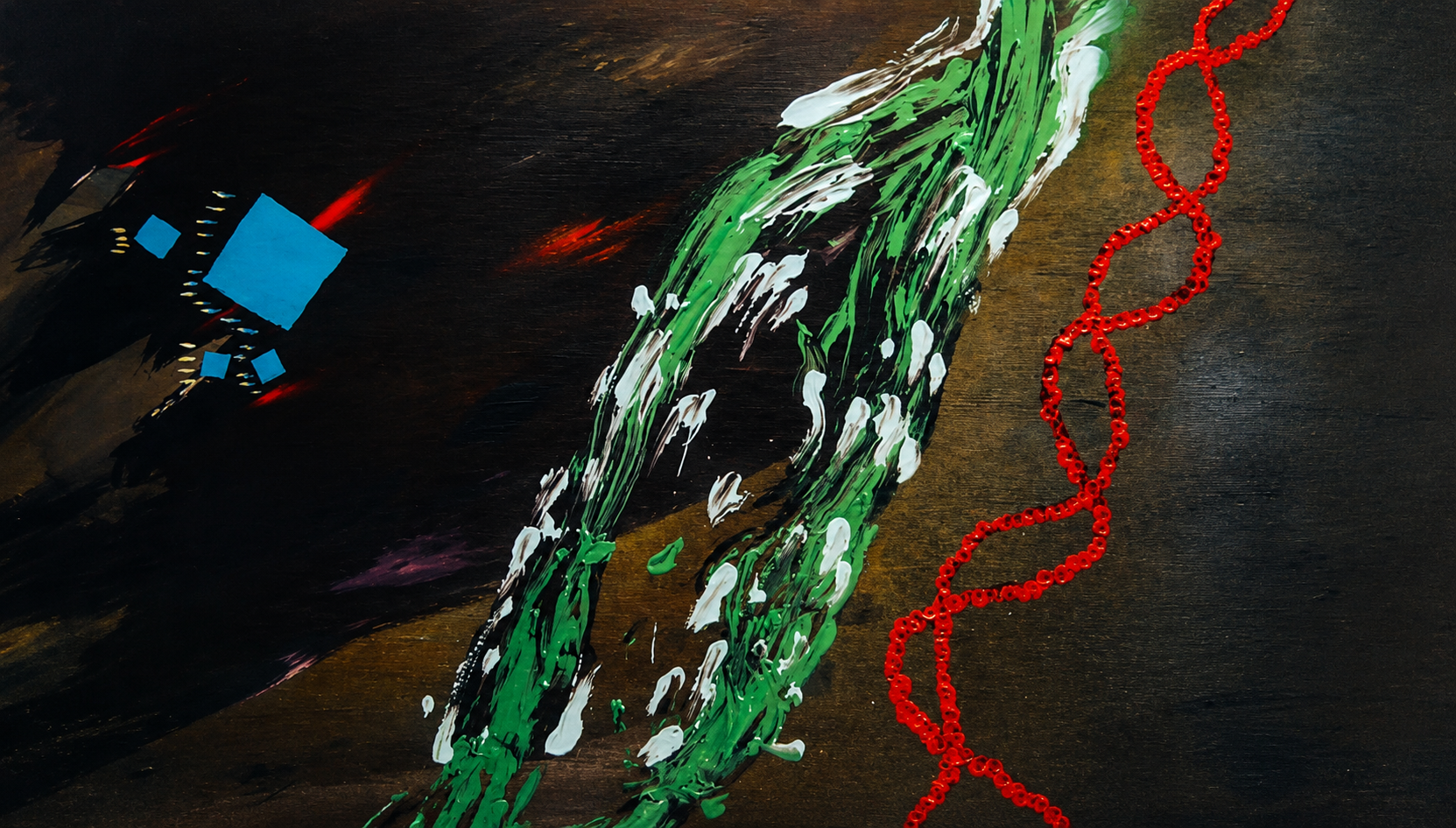
Baselayer 100cm x 160cm Series 2
The universe itself arises from consciousness. Everything that exists is first a thought within the “Universal Mind.” By extension, the human mind being part of this universal mind has the capacity to shape reality through imagination, visualization, and directed thought.
the artist reaches a moment when the familiar framework of subject and object dissolves. No longer is there a mind trying to shape a universe, nor a universe standing apart, waiting to be shaped. Instead, the two collapse into one seamless field. The seeker realizes that the thinker and the world are not separate; both arise within the same current of awareness. In this state, consciousness reveals itself not as something possessed, but as the ground of being itself timeless, boundless, and indivisible. What once appeared as two self and world, inner and outer is revealed as a single field nonduality.
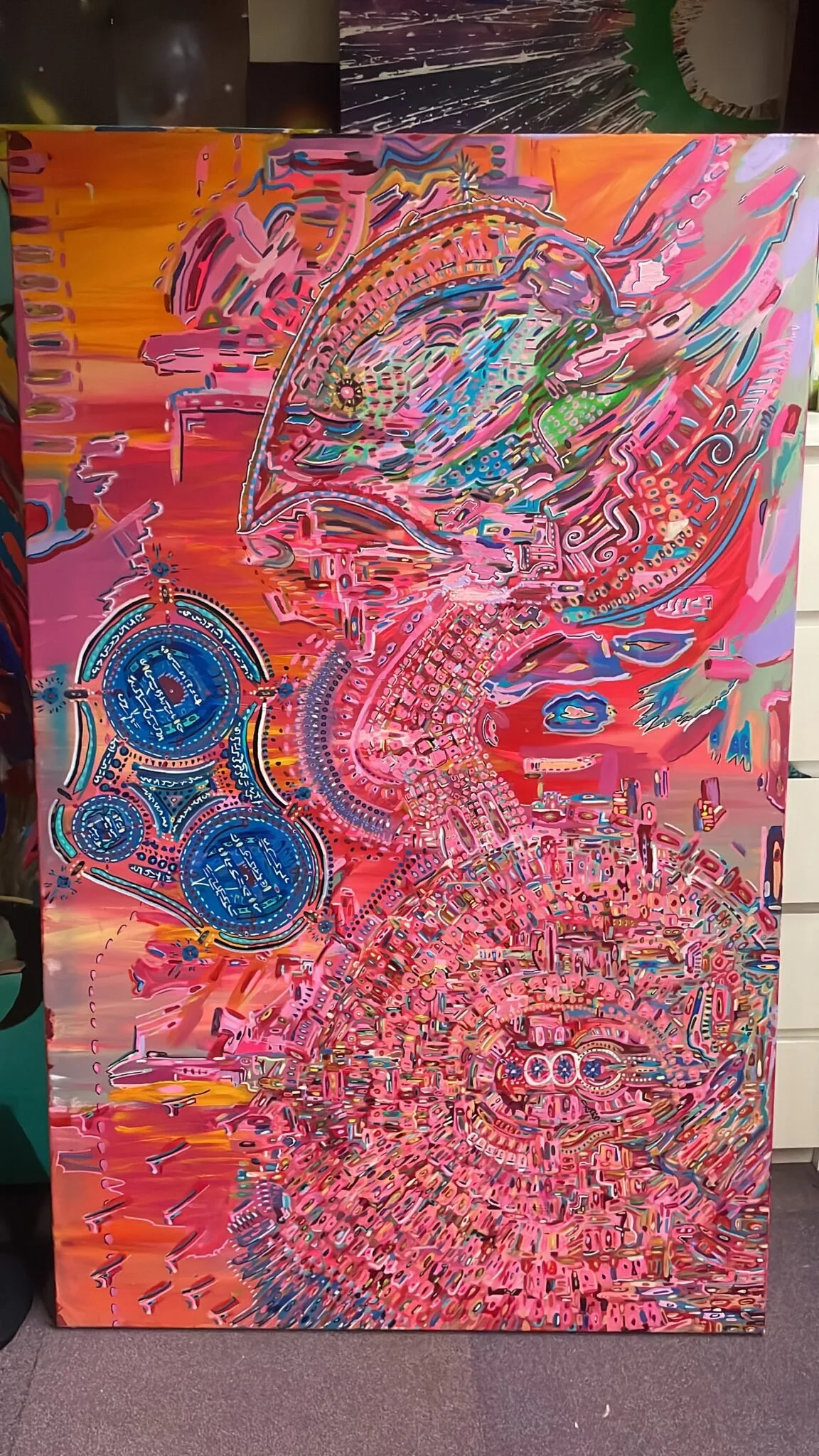
“As above, so below; as below, so above.” This suggests that inner states (thoughts, images, emotions) reflect outwardly in the physical world, and vice versa. The mental realm and the material realm are interwoven, so images in the mind can manifest in the outer universe. This painting above called baselayer represents base reality, understood as the ‘original,’ non-simulated universe: the fundamental physical reality in which no higher-order simulation is operative. The physical universe operates on mathematical principles, leading some to argue it’s akin to a computational program. The uncanny precision of these laws fuels the simulation hypothesis.
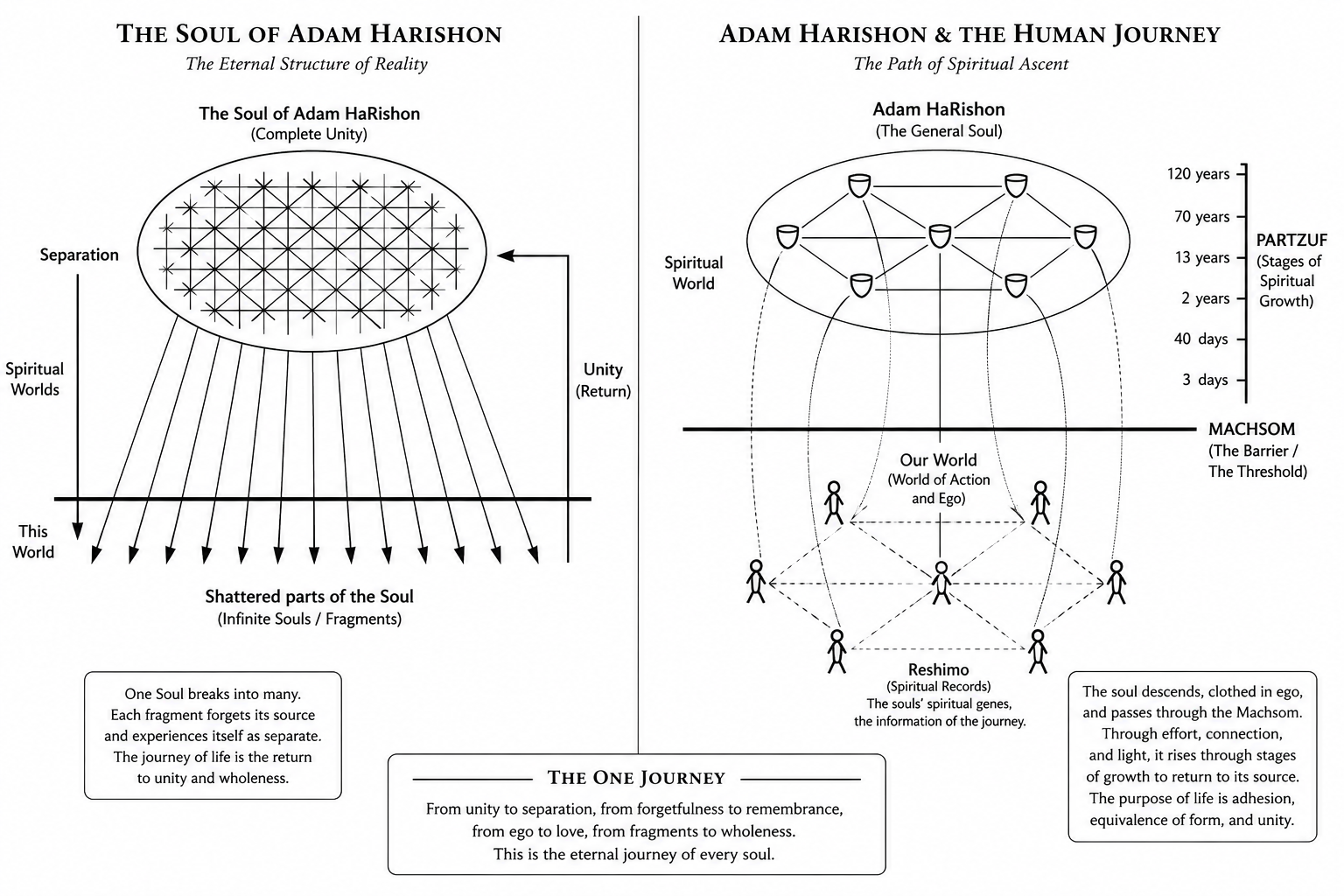
From the perspective of base reality the fundamental, non-simulated universe we may be understood as emerging from pure data, electricity, and elemental forces not yet comprehensible in human terms. In Hermetic philosophy, this essence corresponds to the subtle, formative energies that precede material existence. Compressed into a condensed state, this primordial information descends into embodiment, transmitted as what we call the soul within the human body. In the painting, one can perceive the soul traveling through the alligator head, a symbolic threshold where primal instinct and ancient memory give shape to the subtle formation of the ego structure. This process reflects the Hermetic axiom as above, so below: just as higher realities compress into the human form, so too does the soul’s journey pass through archetypal gates that mediate between spirit and matter, laying the foundation for human individuality.
This painting represents base reality, understood as the fundamental, non-simulated universe the original layer of existence in which no higher-order simulation is operative. Within this framework, the human being is envisioned as emerging from pure data, electricity, and elemental forces beyond human comprehension. In alignment with Hermetic philosophy, this primordial essence corresponds to subtle formative energies that precede material manifestation. Compressed into a condensed state, the essence descends into embodiment, transmitted as the soul within the human body. In the composition, the soul is depicted as traveling through the head of an alligator, a symbolic threshold through which primal instinct and archaic memory shape the emergence of the ego structure. This imagery resonates with the Hermetic maxim as above, so below, suggesting that the soul’s passage through archetypal gates mediates between spirit and matter, establishing the foundations of human individuality.
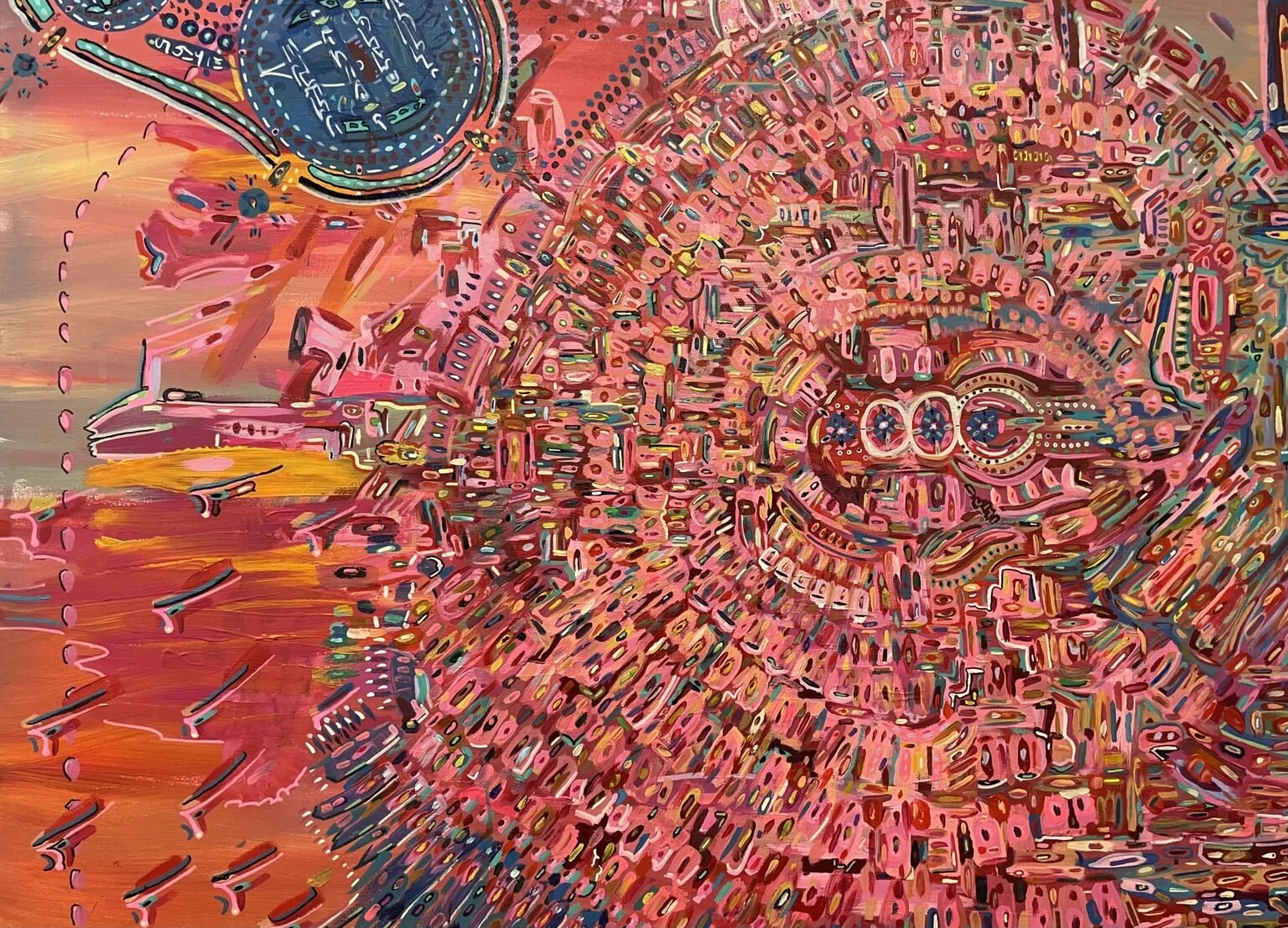
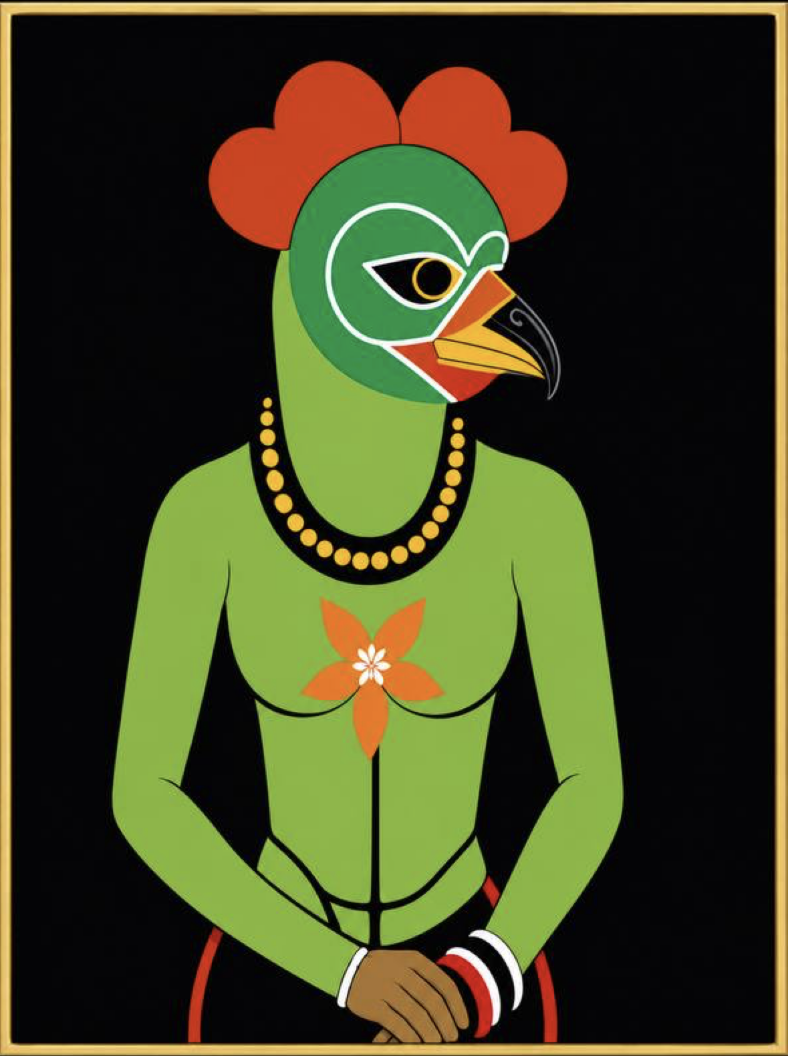
The figure represented in this painting first emerged in New Orleans, following an encounter with the Black Mardi Gras Indians. While residing in the Ninth Ward, I was profoundly influenced by the surrounding plant life and the city’s unique cultural landscape a dynamic confluence of traditions, histories, and ancestral memory. From this environment arose the initial vision of the bird-like being, conceived as an entity that subsists as pure information within the base layer, the fundamental stratum of reality from which all subsequent forms and appearances are derived. Within such a framework, the figure may be understood as a mediator from this substratum, bearing an informational essence that precedes material embodiment. This interpretation resonates with theoretical perspectives that regard consciousness as a form of metaprogramming system, capable of interacting with dimensions of reality beyond the scope of ordinary perception. The work, therefore, situates itself at the intersection of cultural memory and metaphysical inquiry, presenting a being that operates simultaneously as a product of lived history and as an expression of the informational currents underlying base reality.”
divine truth is inexhaustible, continually revealing itself in new forms according to the consciousness and capacity of the seeker/viewer. This principle resonates with the painting, where the passage of the soul through the alligator head symbolizes a threshold of perception: each viewer encounters the image through the lens of their own inner state. Just as many religious traditions affirm that no single interpretation exhausts divine meaning, these paintings function as a multi-layered vessel, offering different revelations depending on the depth of engagement. In this sense, the work becomes not a fixed image but a living text and image, reflecting both base reality and the ever-shifting consciousness that attempts to grasp it.