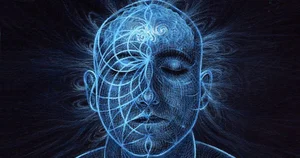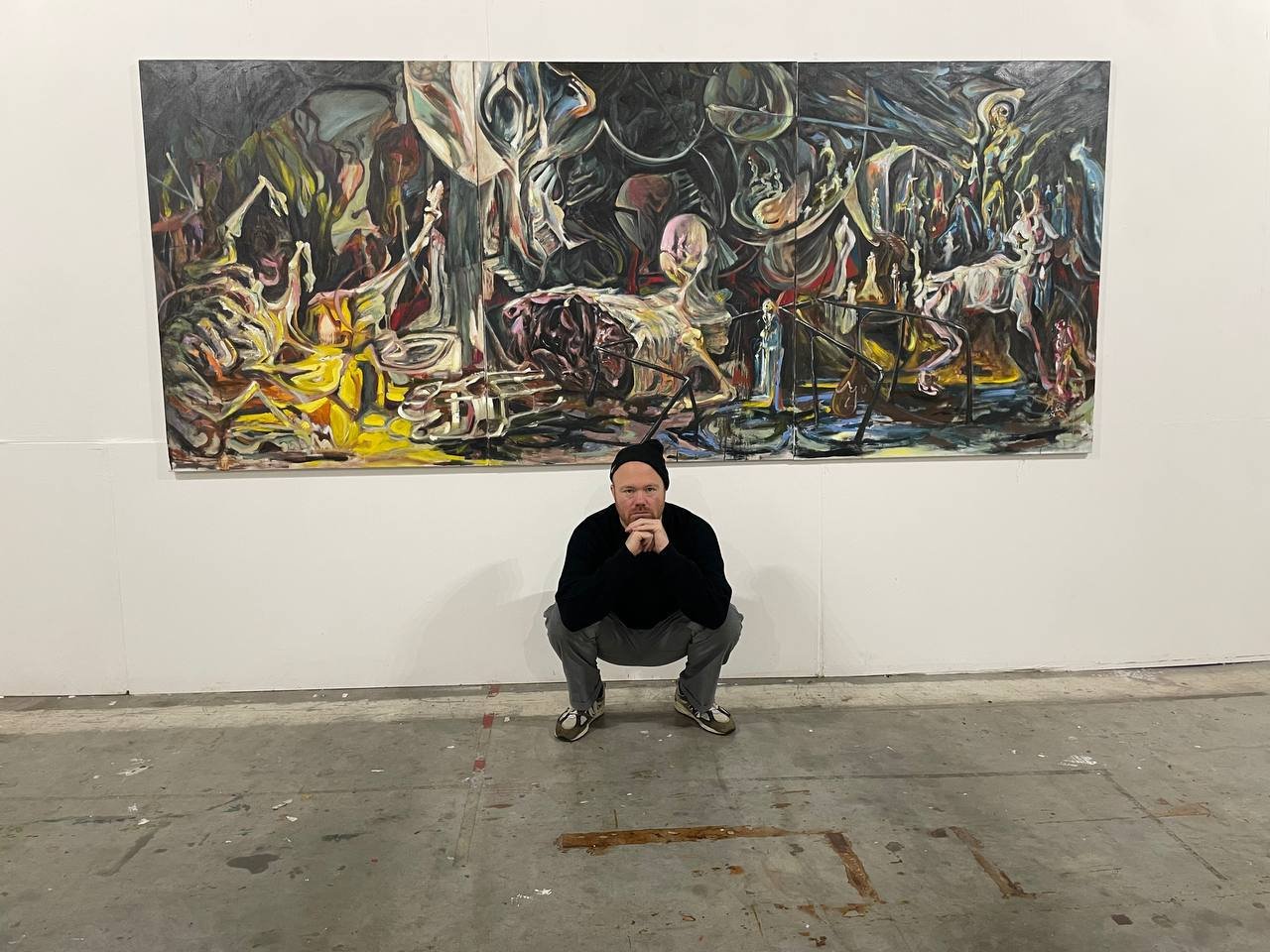
I had this thought that perhaps you should never sell your paintings, or at least not all of them, because some paintings are more than just paintings. They are meditative devices, shamanic apparatuses that exist to generate more paintings, to open up new worlds of imagination.
I find this idea fascinating: that imagination might be a way of accessing information beyond ordinary space and time. What if a painting could function as a place you return to, again and again, especially when inspiration seems to have abandoned you? You could enter it, lose yourself in it, and find something you didn't know you were looking for. In that sense, it is no longer simply a painting but a machine for inspiration, something that continues to produce new thoughts, images, and possibilities.
On the Northern Summit by Taco Yutong Huo gave me exactly this feeling. It's rare for me to feel so genuinely inspired by art these days. The art world often feels strange and sterile to me, disconnected from the very impulses that make art worth creating. But this work brought me back to my own imagination, to my own mind, and to the things I wanted to make in the first place.
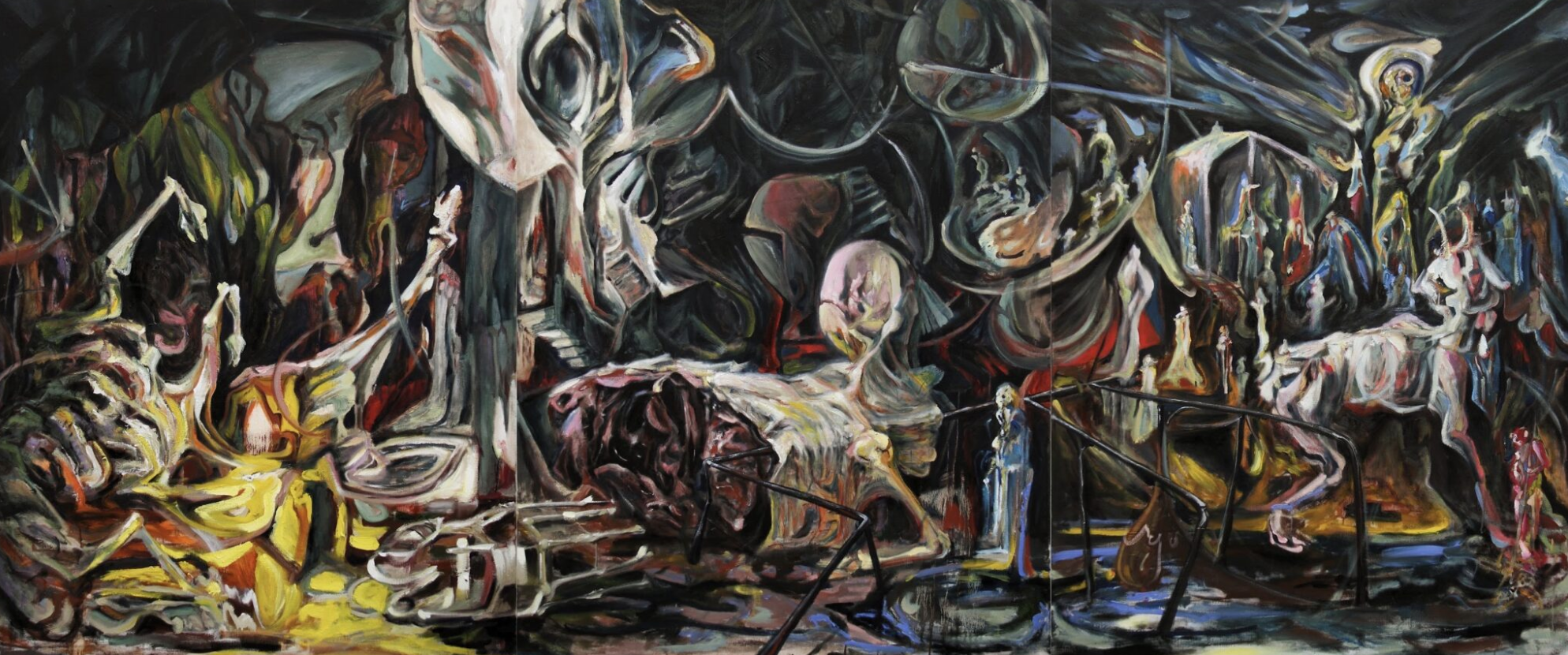
It reminded me that perhaps the greatest value of a painting is not what it represents or what it is worth, but what it awakens in us. A way out of that strange sleep paralysis of the imagination, that state in which we are haunted by the desire to create but somehow unable to move. A painting that breaks that paralysis is not just an object to be looked at. It becomes something you can return to, a portal that keeps opening.
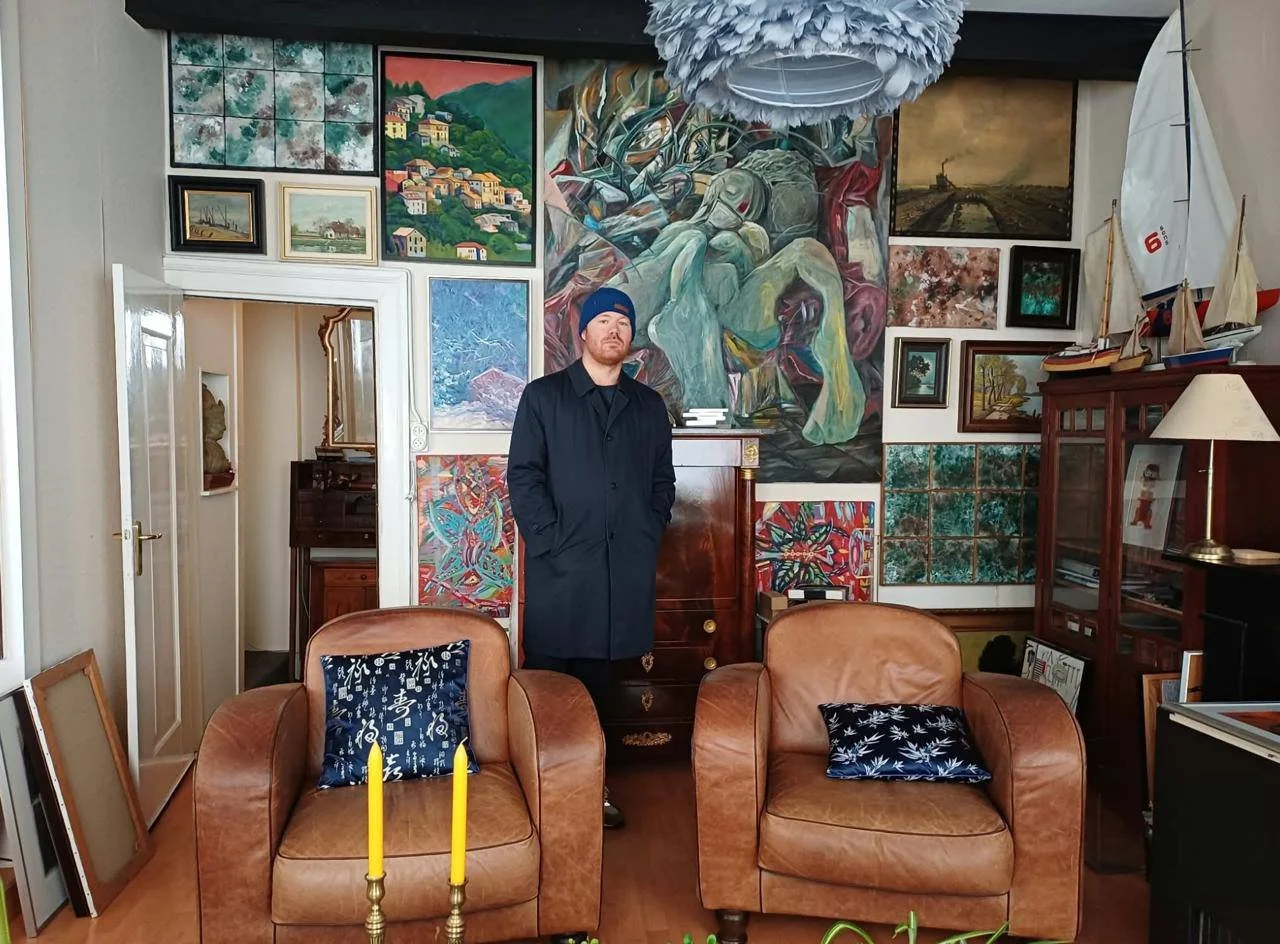
certain images are not representations of things at all. They are invitations into a process. They are instruments for navigating the imagination.
And perhaps imagination is not simply the private theater of the individual mind. Perhaps it is a dimension, a kind of territory, and certain works of art are unusually effective at opening a doorway into it.
In that sense, the painting becomes something very close to a shamanic technology. Not because it possesses some supernatural power, necessarily, but because it changes the state of consciousness of the person who encounters it. It rearranges the possibilities of what can be thought, what can be seen, and therefore what can be made.
And this is where the question of ownership becomes interesting. Because why would you sell the very instrument through which you are learning to see? You wouldn't sell your telescope simply because you had discovered a beautiful star. The telescope is what allows you to discover the next thousand stars.
Perhaps certain paintings are like that. They are not the products of imagination but the machinery by which imagination continues to produce itself.